
Background
Initiation Phase
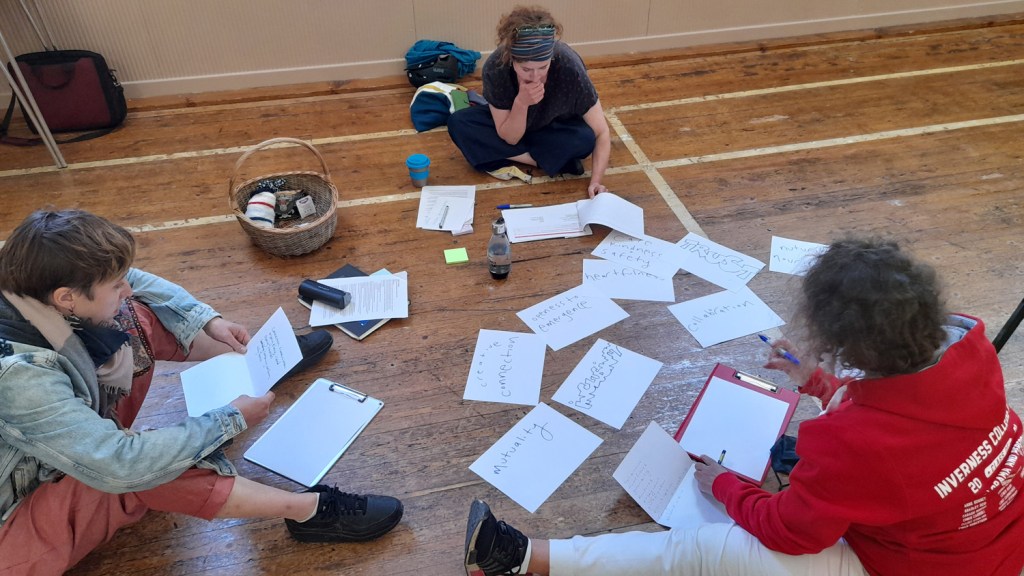
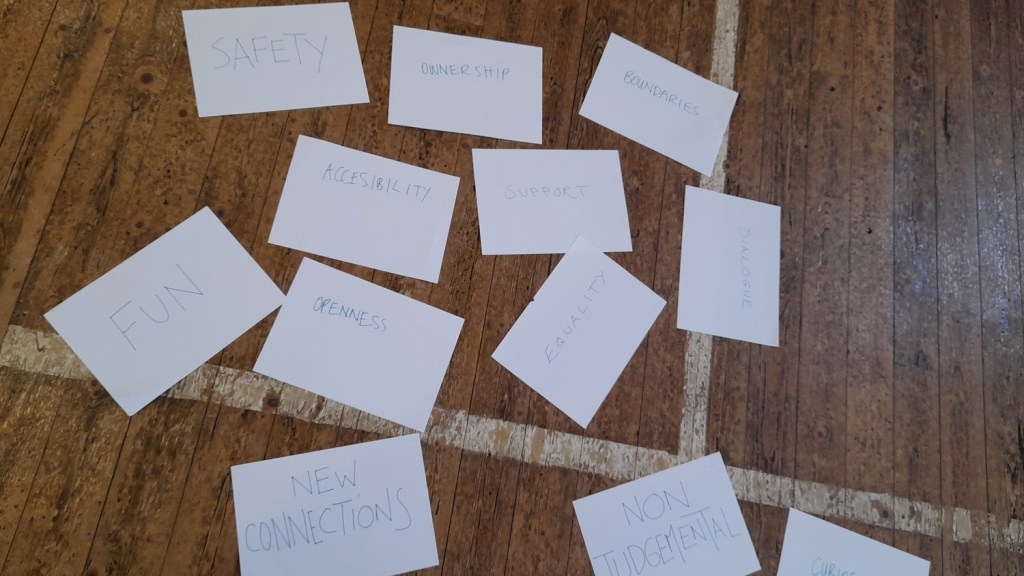
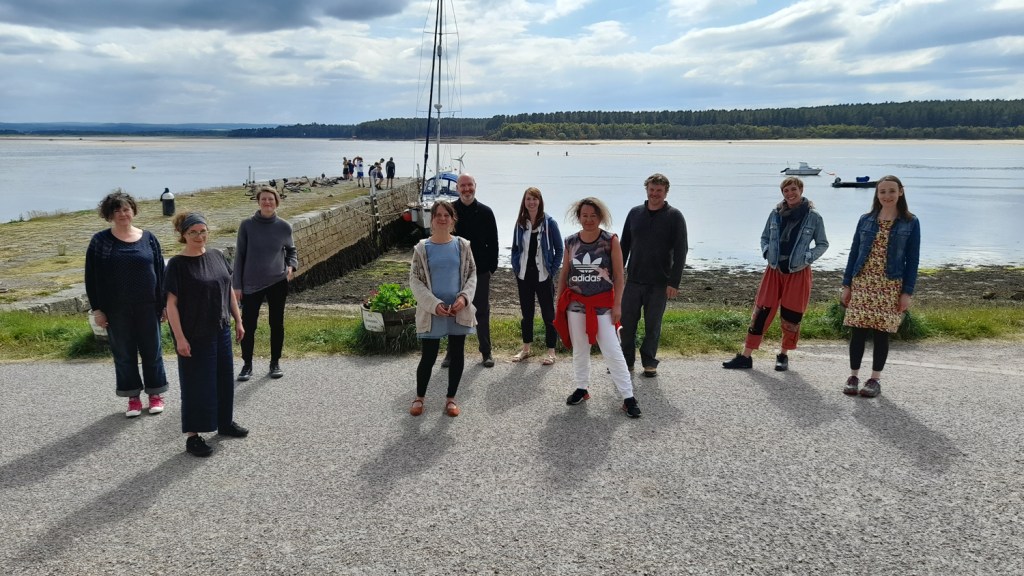
In 2022 we were invited to work with Findhorn Bay Arts to help with the development of an exciting new project based in Moray, Combine 2 Create. We also facilitated a number of days with the 7 artists that had newly been appointed. Using our experience as public artists, we explored socially engaged practice and developed shared values for the project.
We were then delighted to be invited to undertake a residency based in Buckie working around community health, resilience and wellbeing.
Our practice responds to place and context, so we often start with research and trust that some idea will ‘snag’ us. Initially we visited Buckie to get to know the town, chatting to people on the street, in pubs and in more formal meet ups in the school and with community groups and organisations. We were met with the most incredible friendliness everywhere we went. Despite challenging times economically, the town felt incredibly rich with community projects working at different scales and with different groups.
We came across The Hub, a community space that was being set up on the main street and that had only just opened its doors. We met Gordon McDonald, Chair of Buckie Area Forum, who explained that the cost-of-living crisis was really impacting the folk of Buckie and that when the opportunity of using an empty shop on the main street has presented itself, a group of volunteers had stepped in and helped convert the space to a ‘hub’. Here, people could access information, be signposted to services and could get a cuppa, friendly advice and use the internet.
The Hub
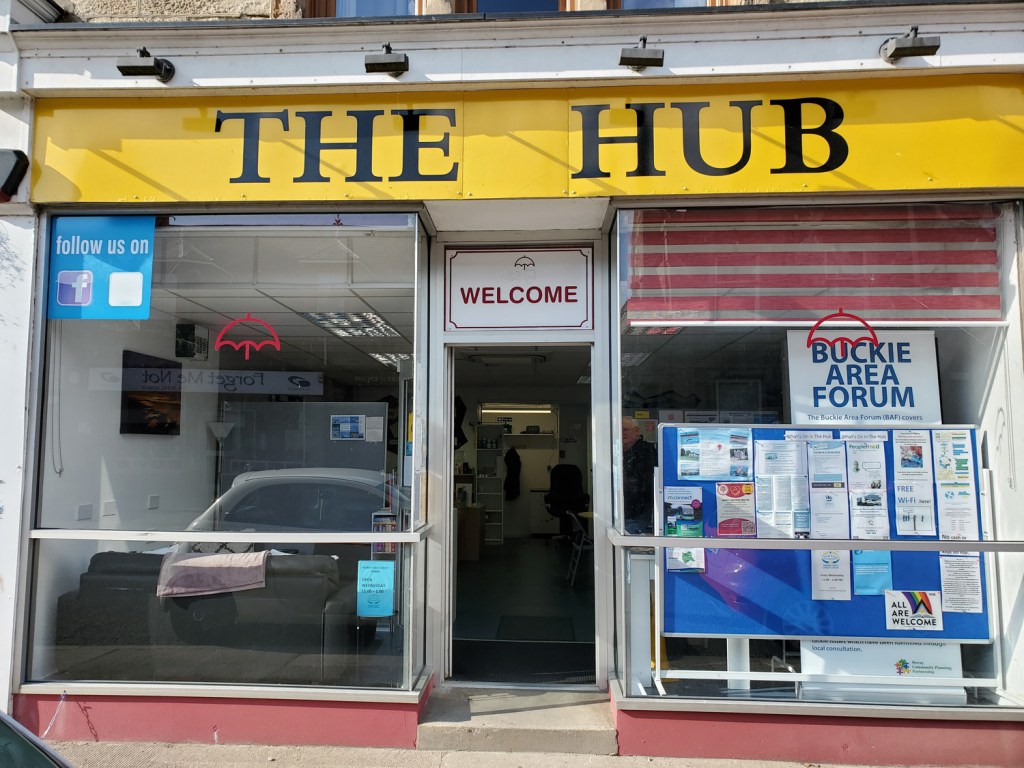
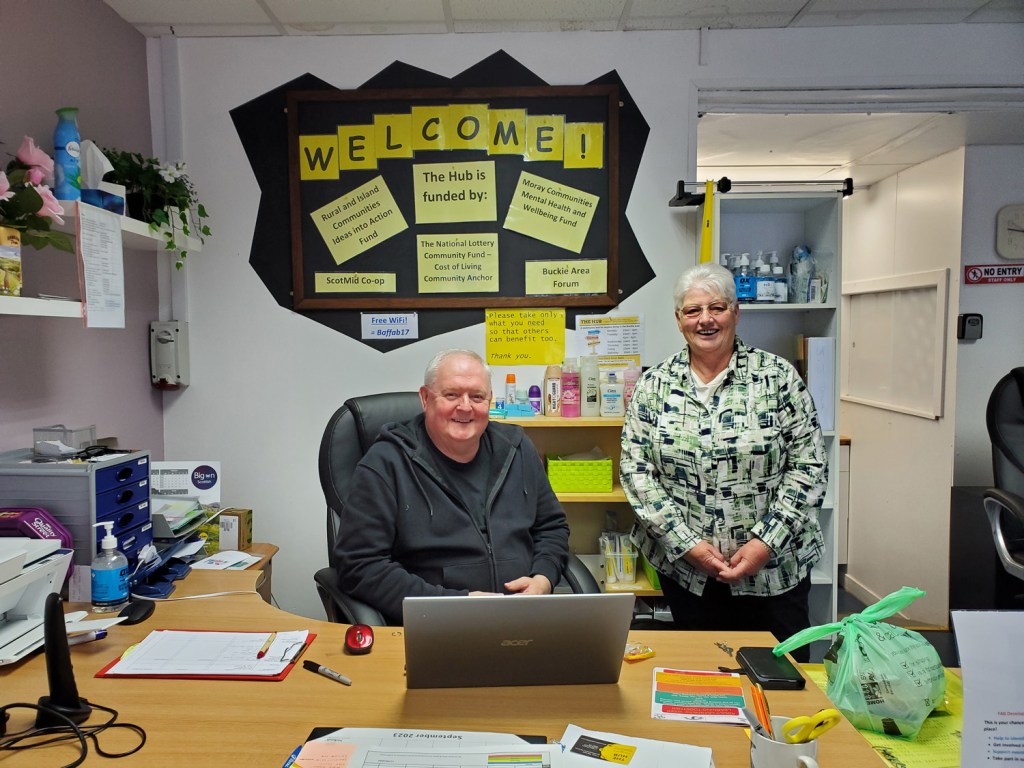
We were shown a large but very overgrown garden at the back of the shop which led down to a wooded area. Volunteer Kevin, explained that the idea was to tidy up the space and for it to become a wellbeing garden. This seemed like a great place for our residency, with The Hub as our partner, so we offered to creatively activate the garden space while it was being developed, which in turn would help to engage the community with wellbeing through nature, with the garden space and with the Hub itself.
Aims of residency:
- To activate The Hub’s Garden through creative activities.
- To develop an open access creative programme for garden over the summer, creating a welcoming space for engaging people with ideas around well-being and the natural world and introducing people to the plans for the garden.
- To introduce people to the work of The Hub.
- To test out how the space might be able to be used (for exploration, contemplation, workshops, social, access) in the future.
- To work in partnership with and to support the work of the Hub committee, volunteers, visitors and service providers.
We called the project ‘The Secret Garden’ as the main access was down a side alley that most people had never noticed. The garden and courtyard were cleaned and cleared by the volunteers and people donated flowers in pots, so we were able to make the space colourful and inviting. We added a gazebo, tables and chairs, nature books, microscopes and programmed a range of creative workshops and nature inspired activities which were open to all; volunteers, visitors to the Hub and other groups that we had met along the way. The volunteers who were developing the garden had clear ideas about the space so we offered ideas where appropriate, but saw our role primarily as activating the garden as a social space and engaging people with nature and wellbeing.
The ‘Activated’ Garden:
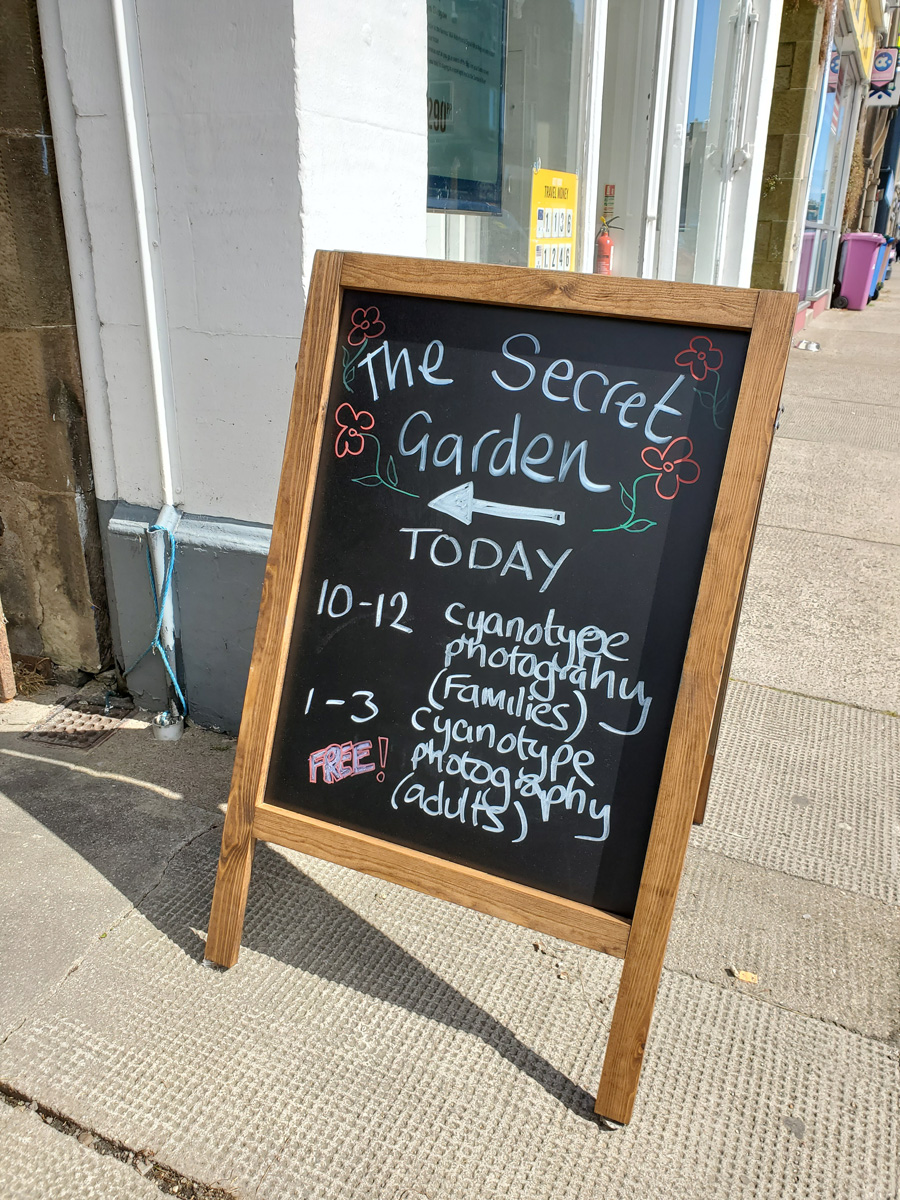
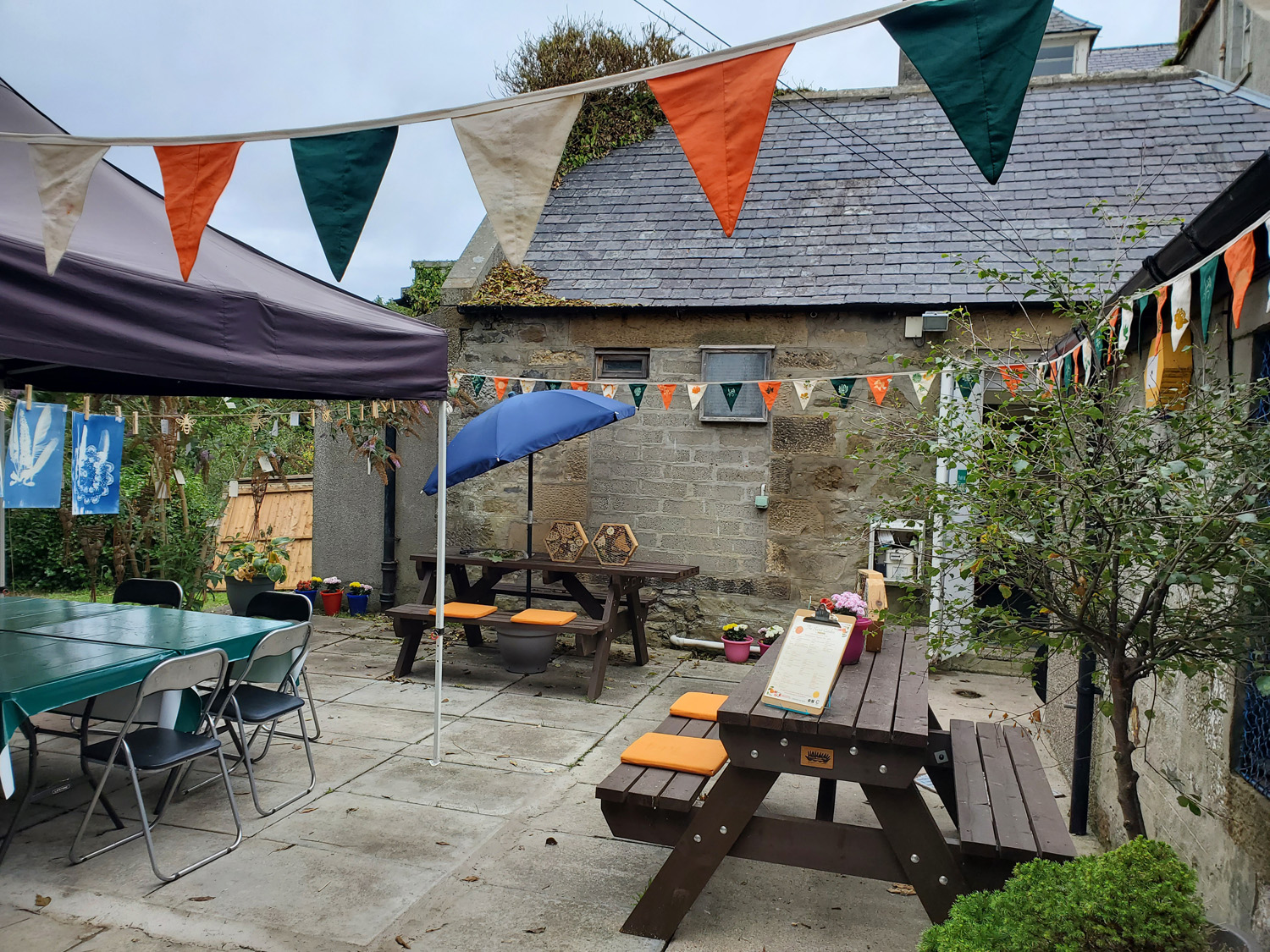

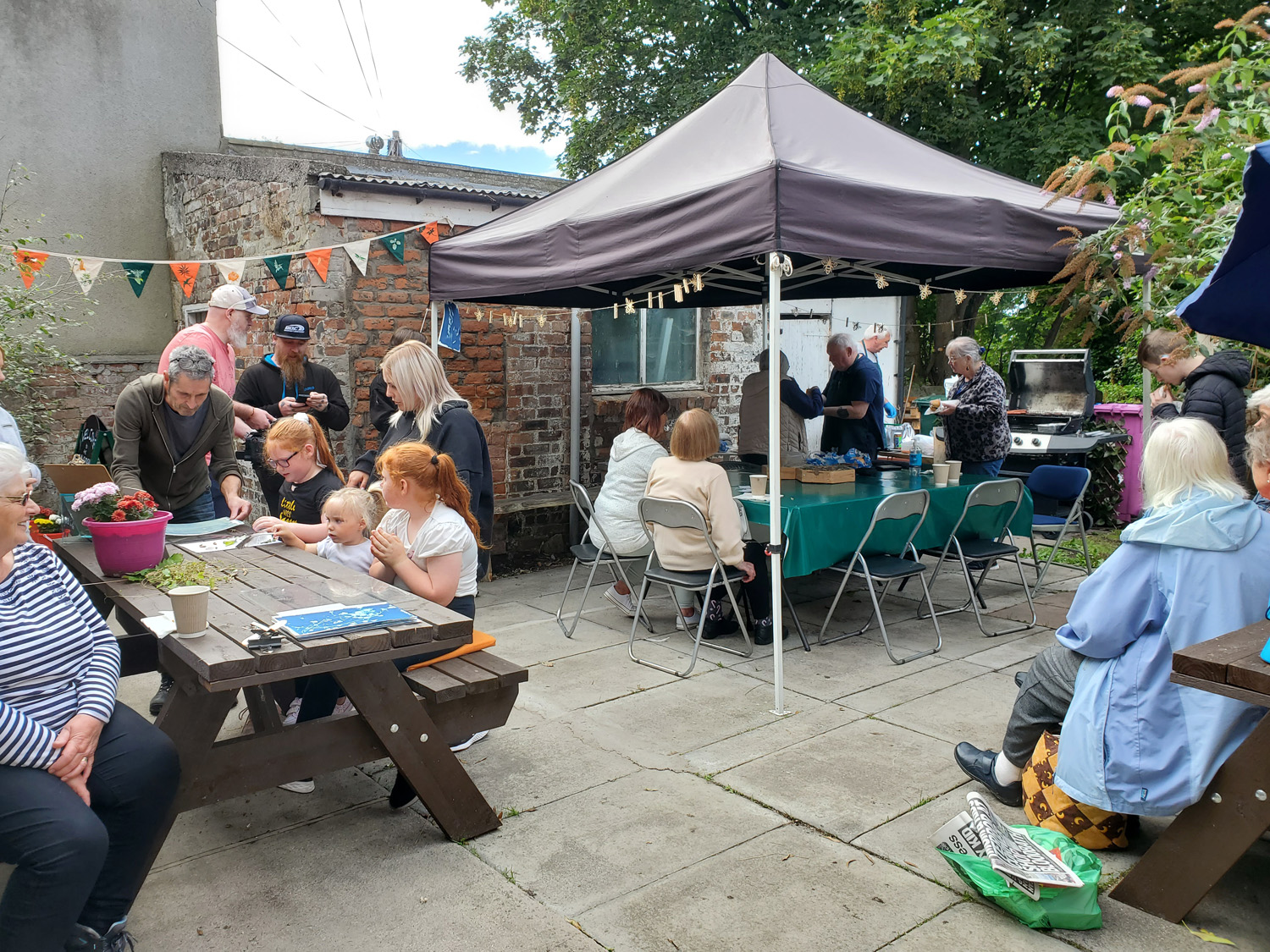

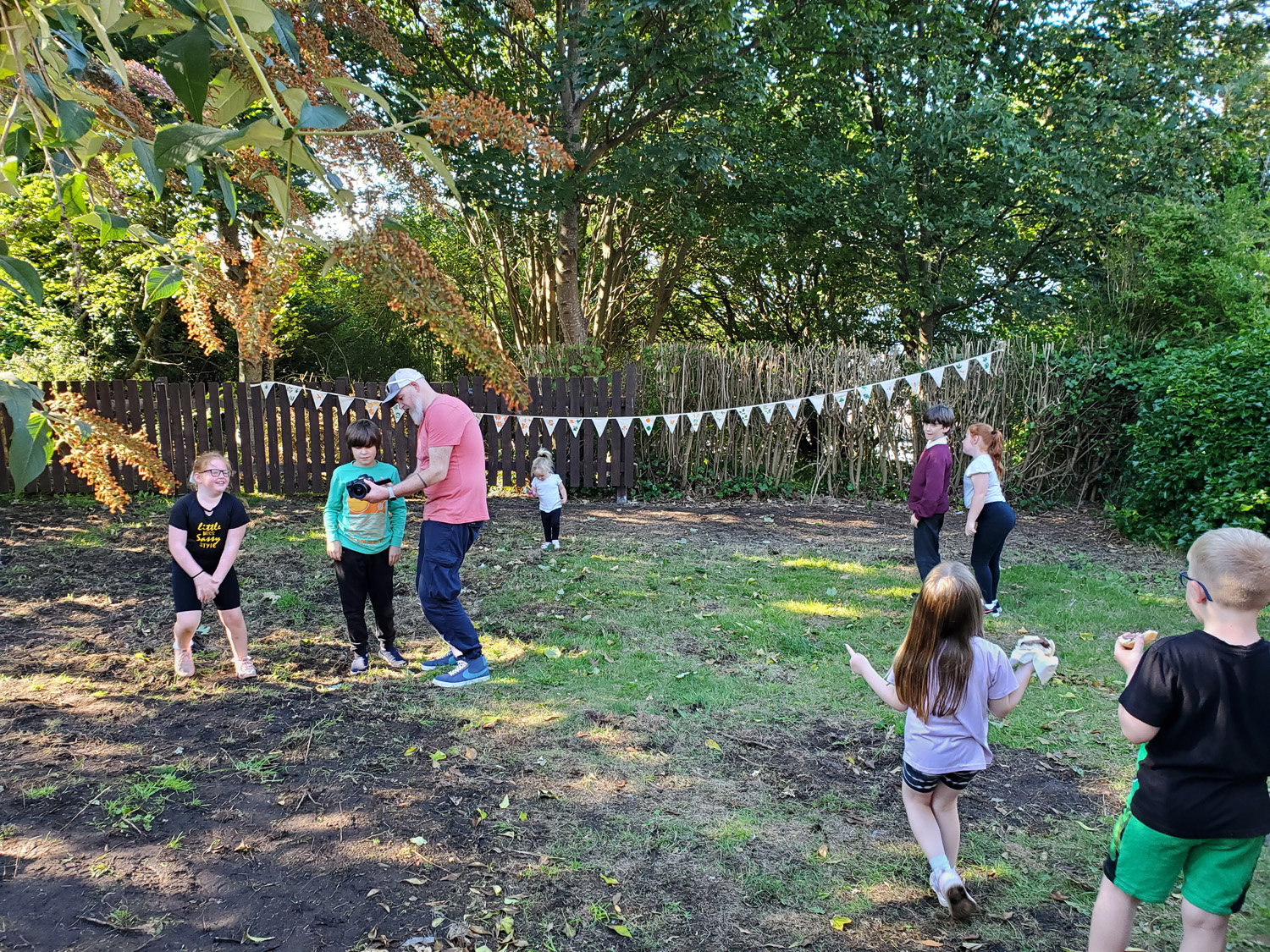
People gradually started to come along; some came specifically to join our advertised workshops, others were volunteers at The Hub and some were just curious passersby who noticed our street sign. Once people had found the garden, we welcomed them and introduced them to the activities, the hub and the volunteers.
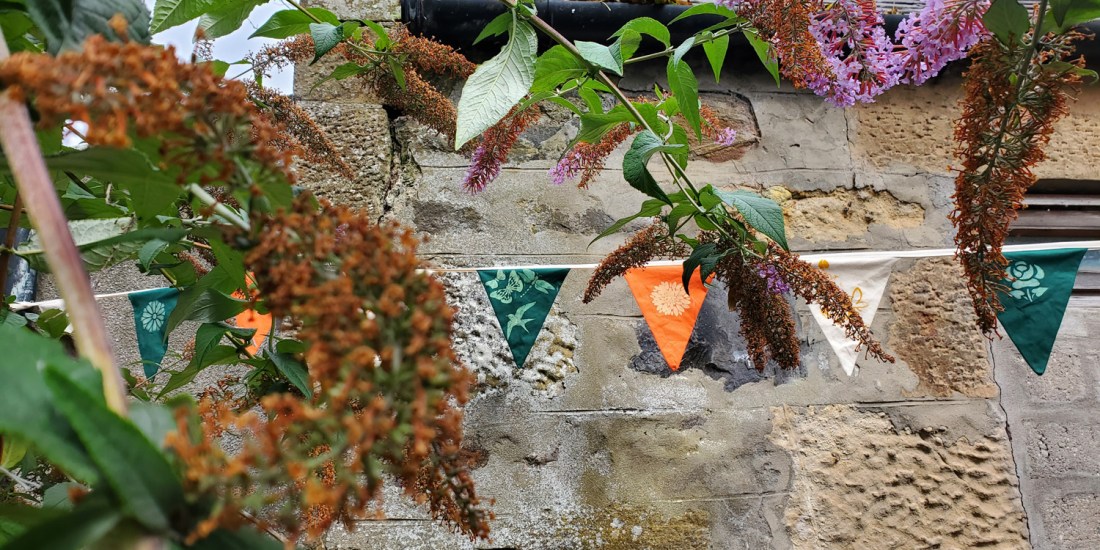
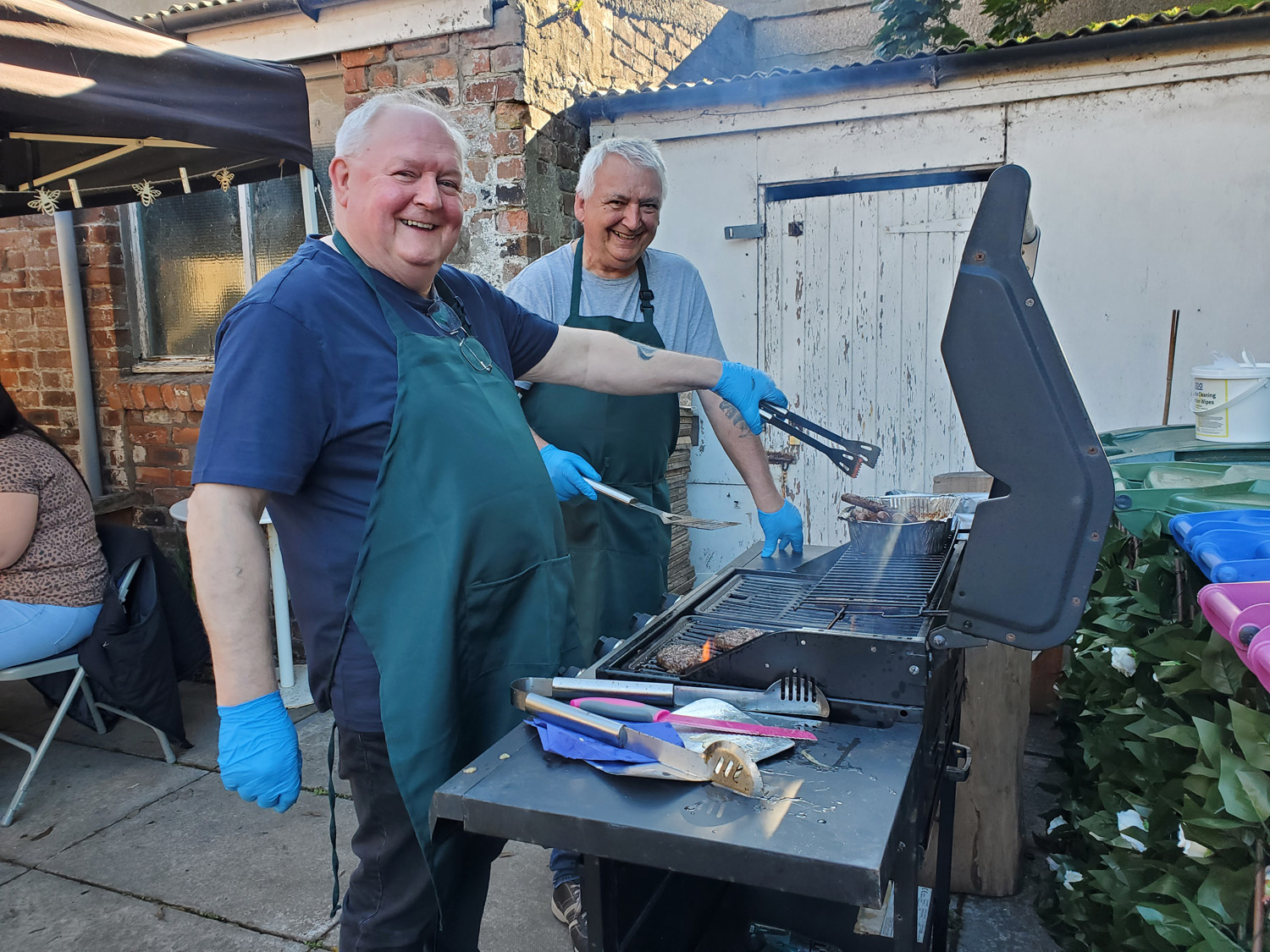
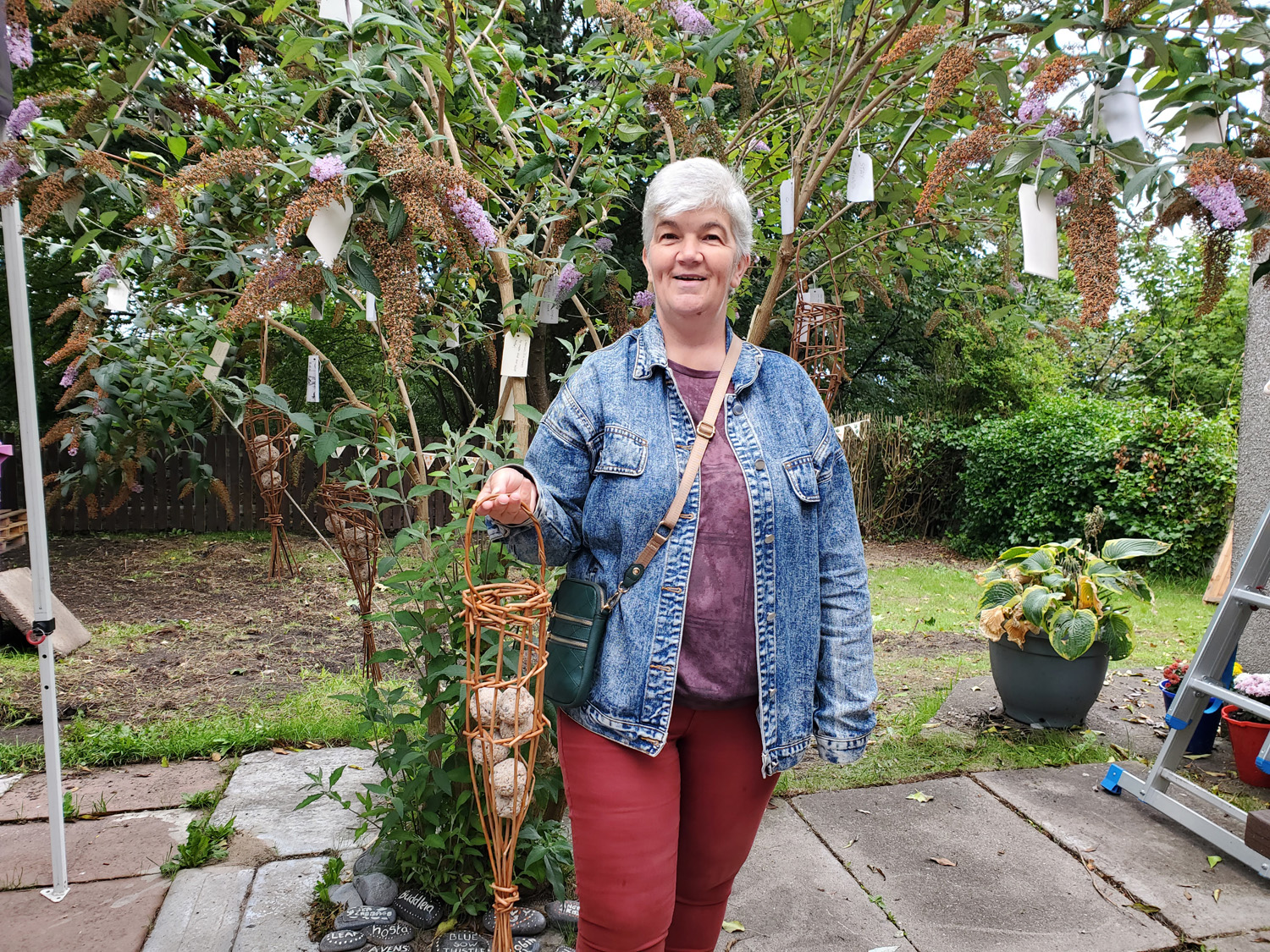
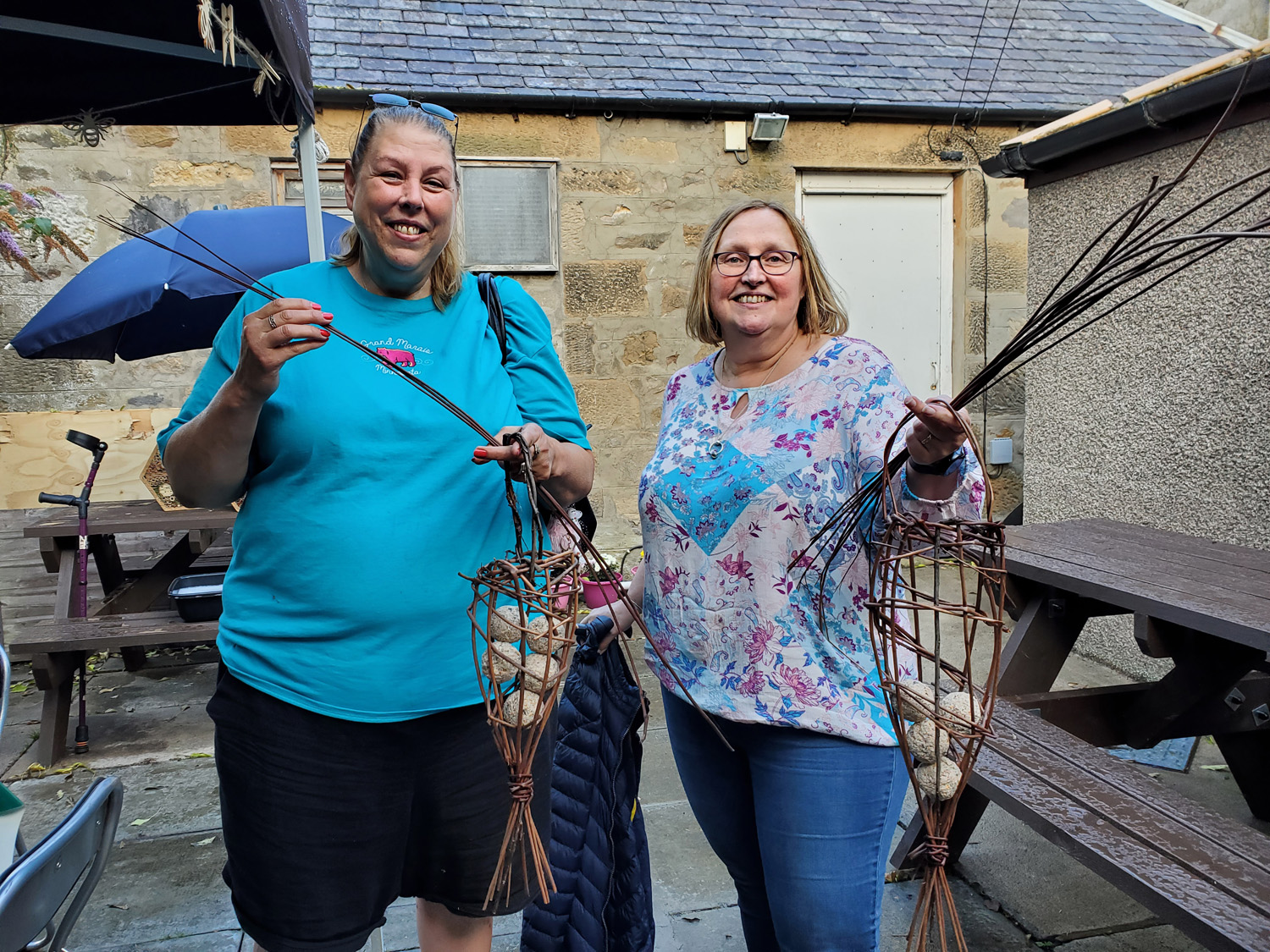
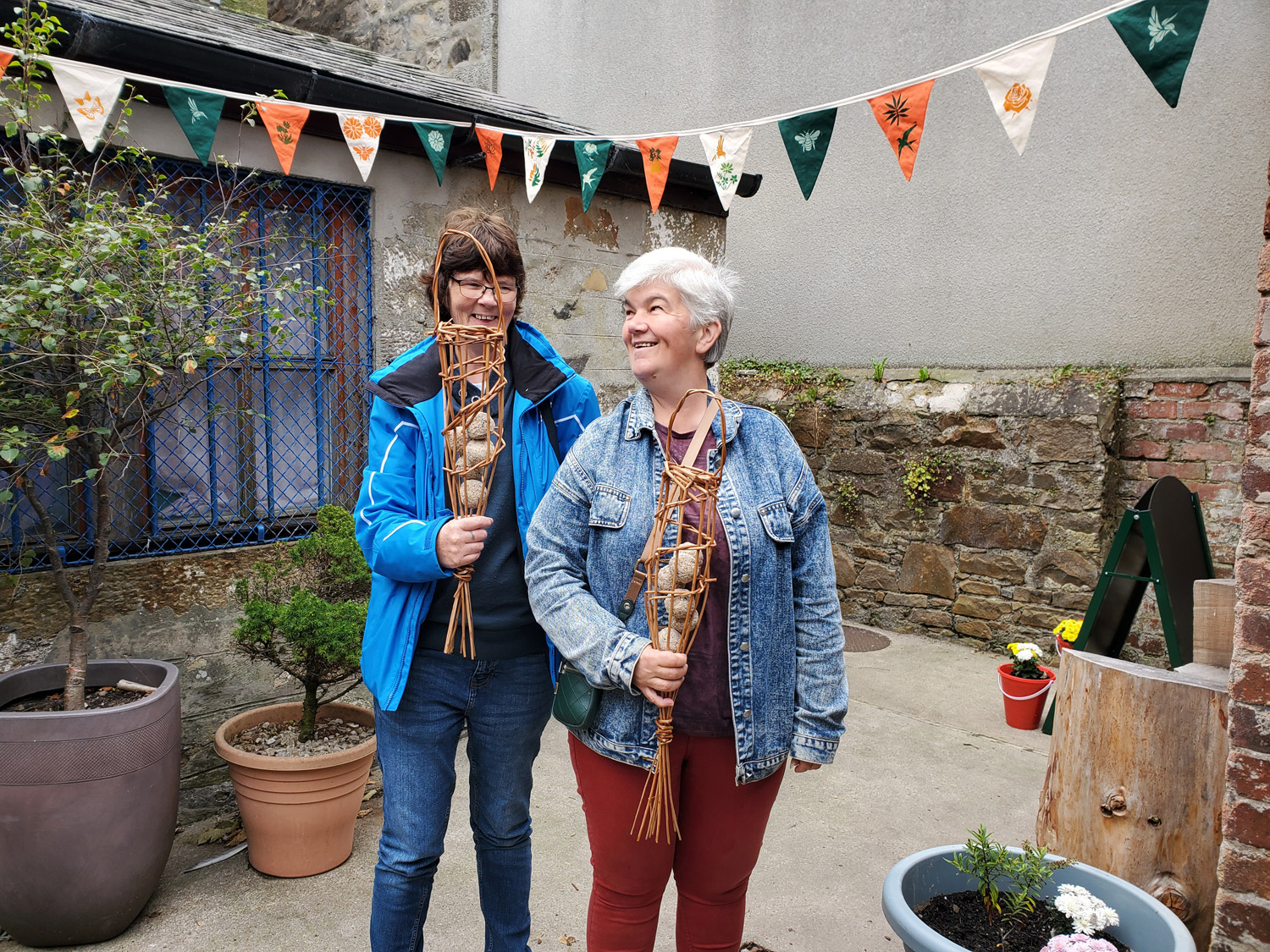
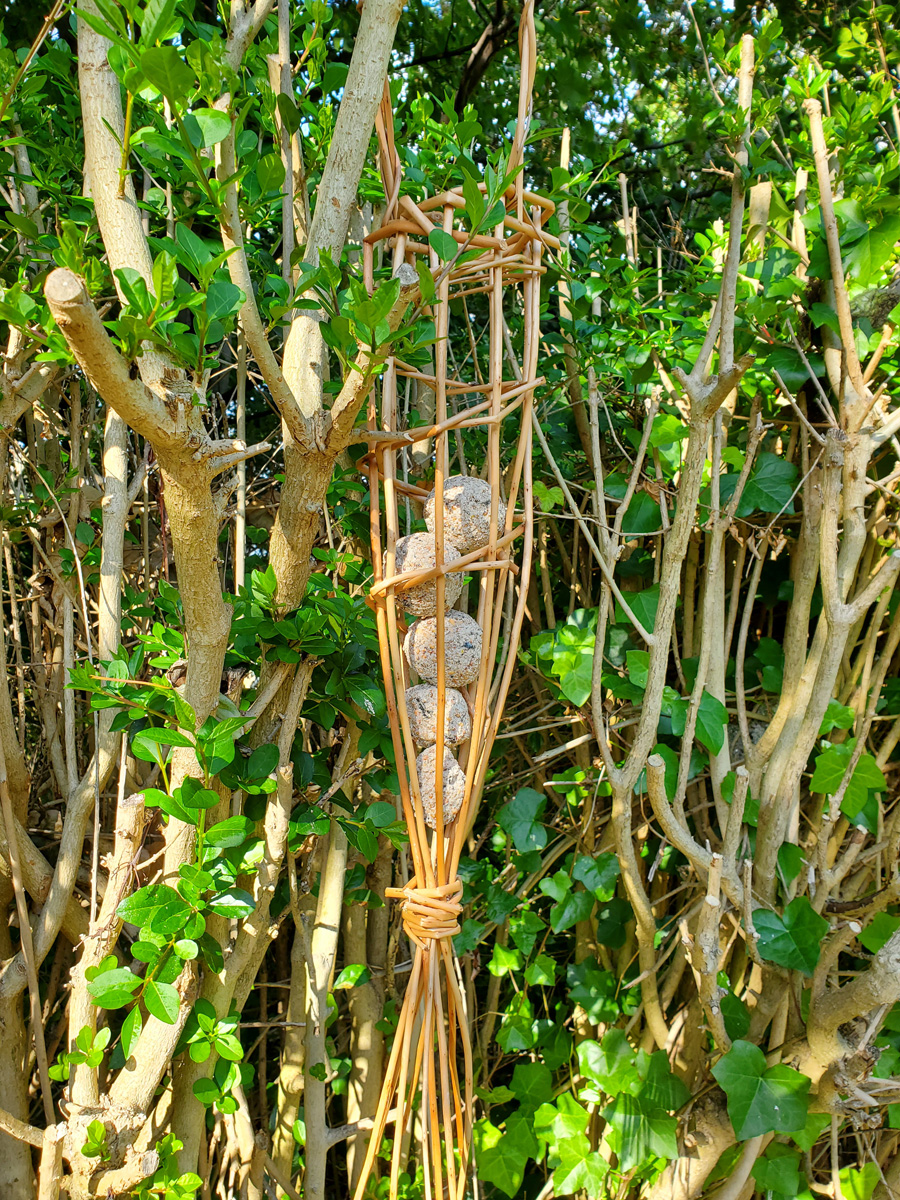
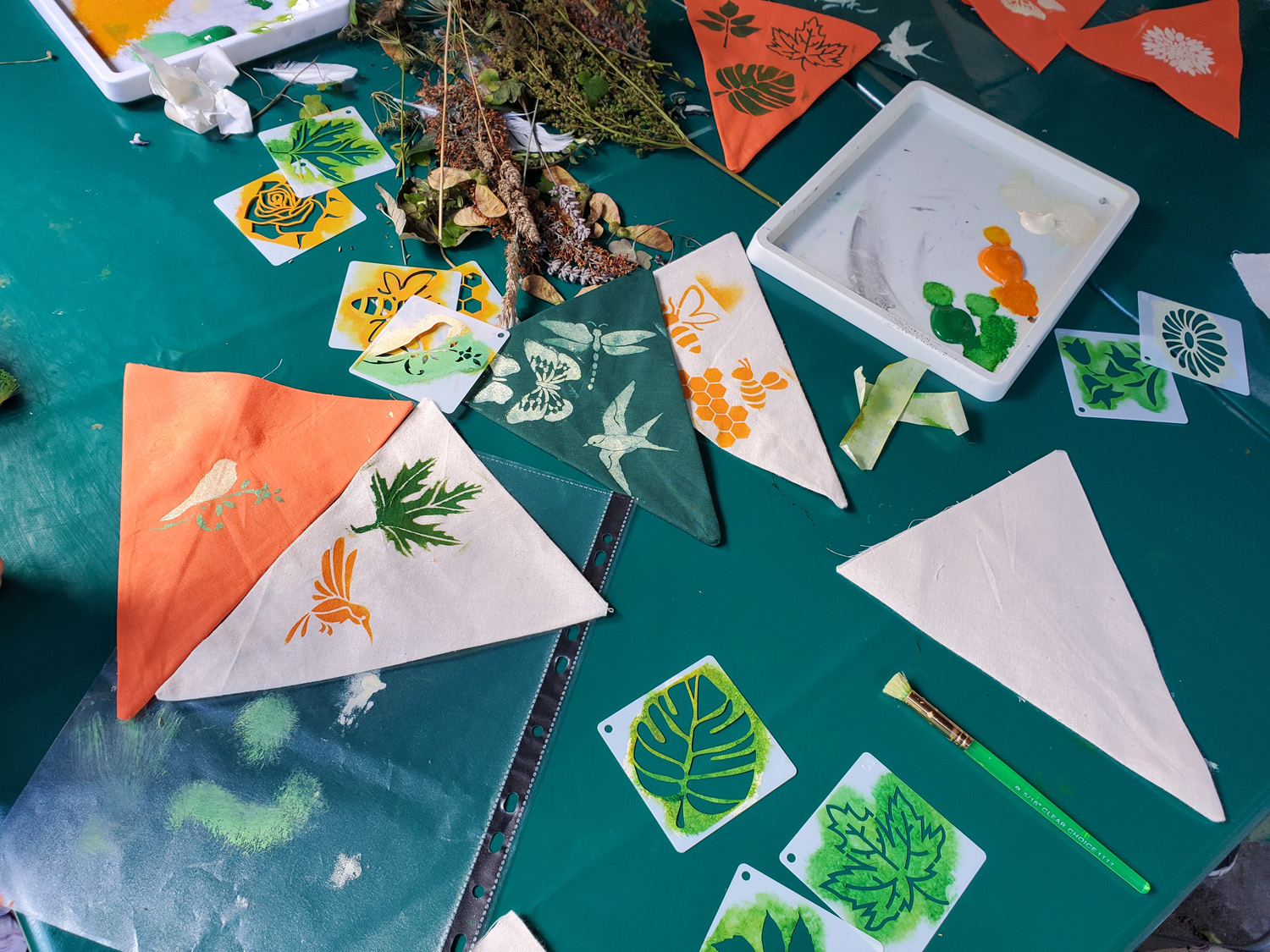
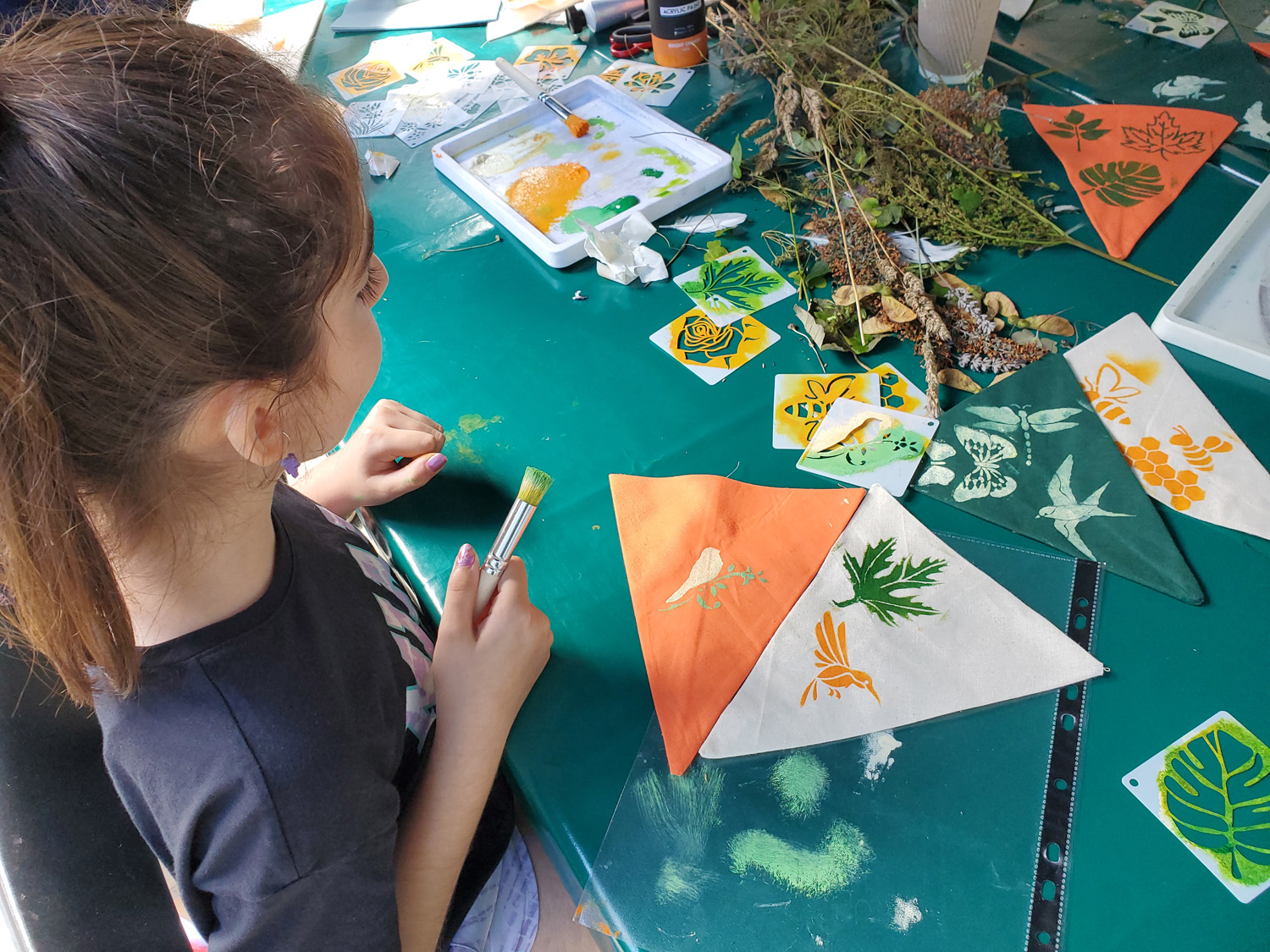
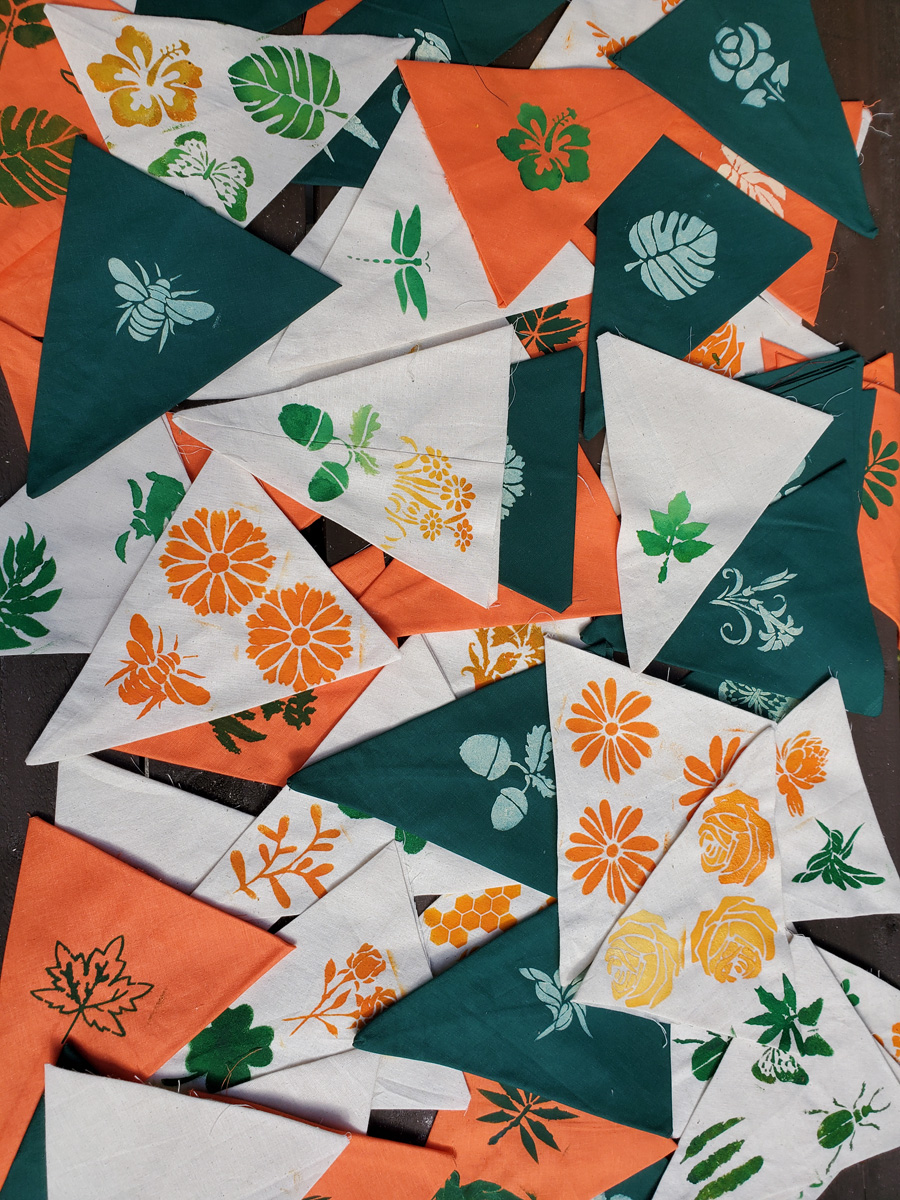
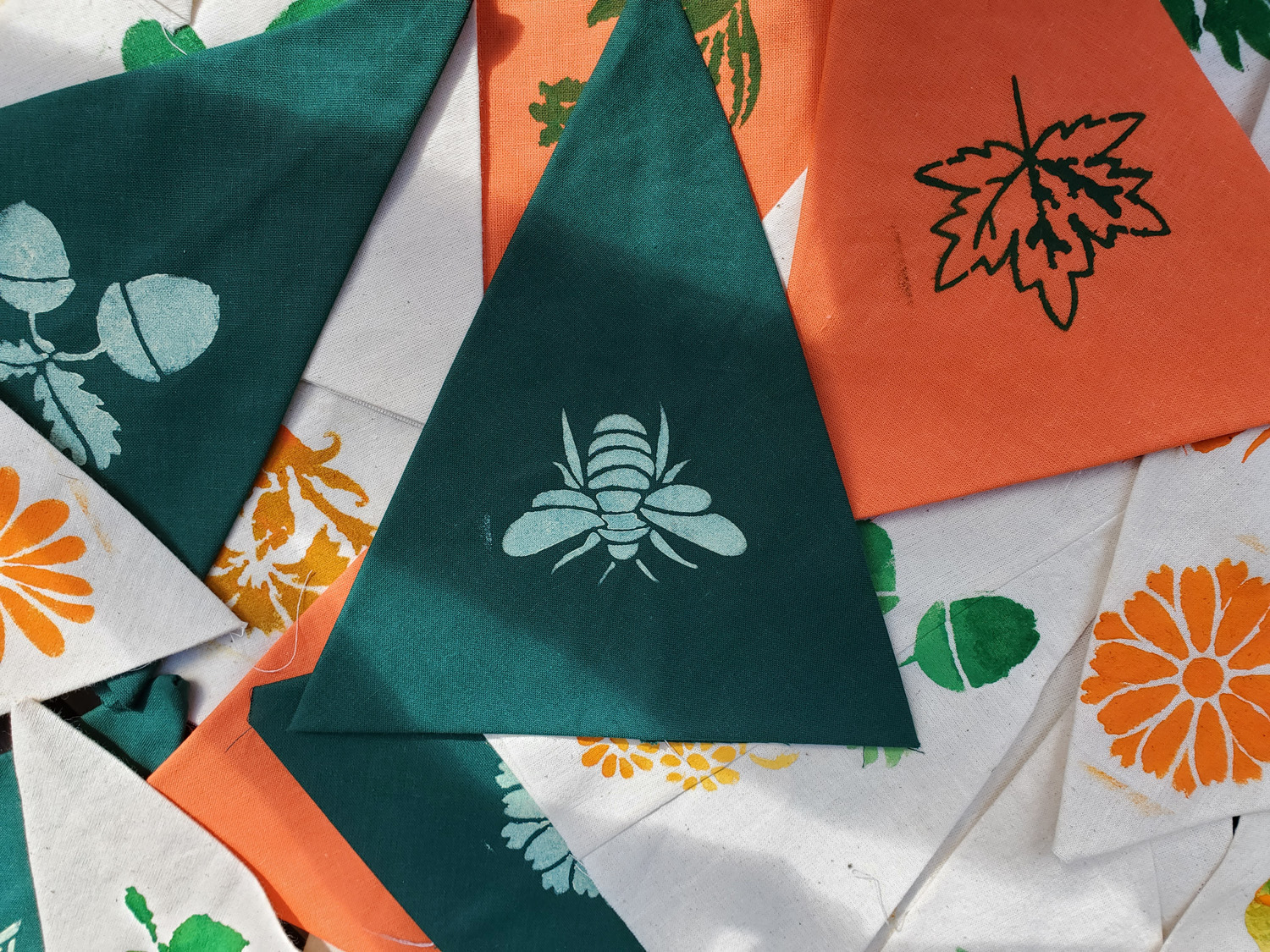
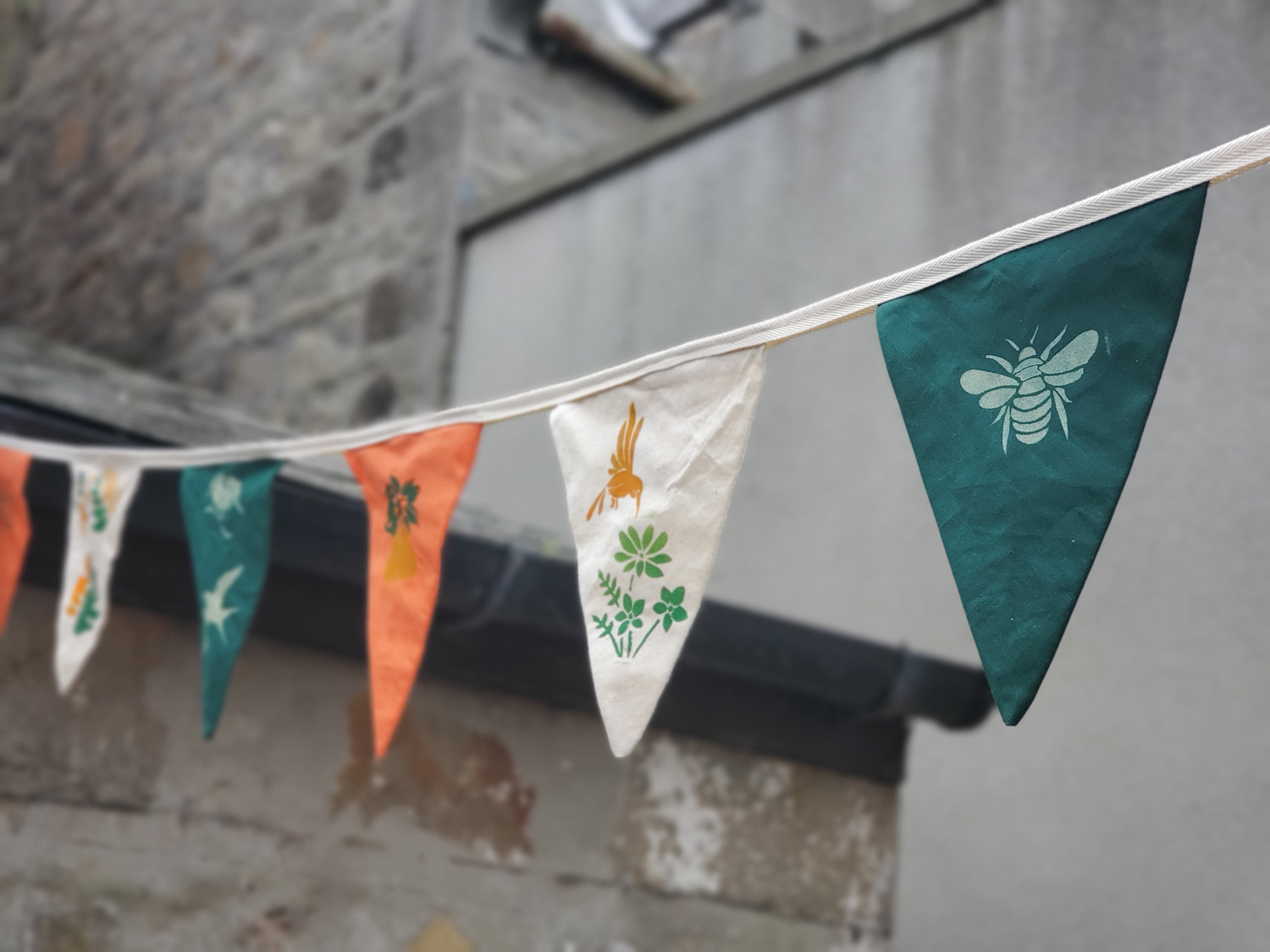
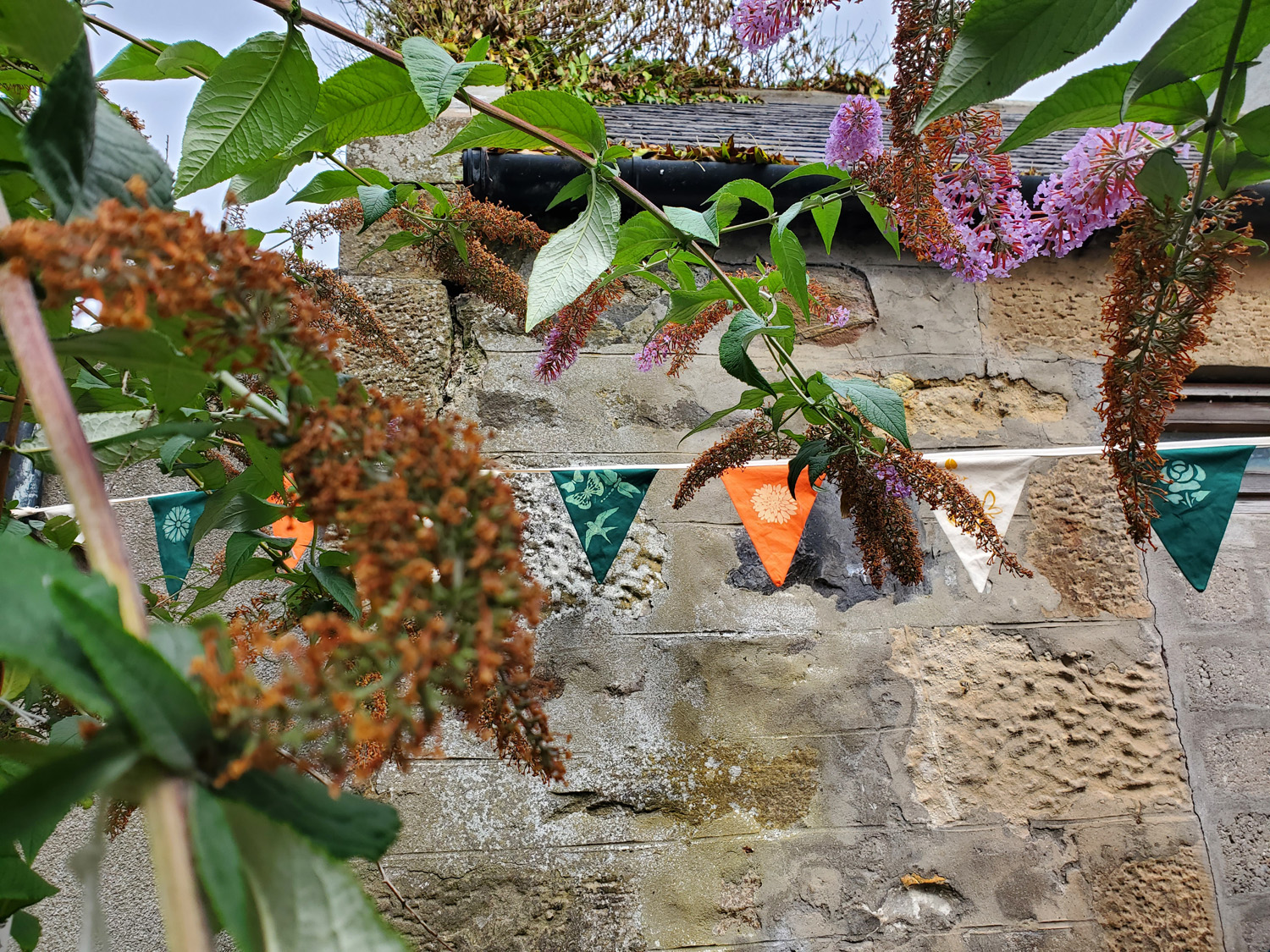
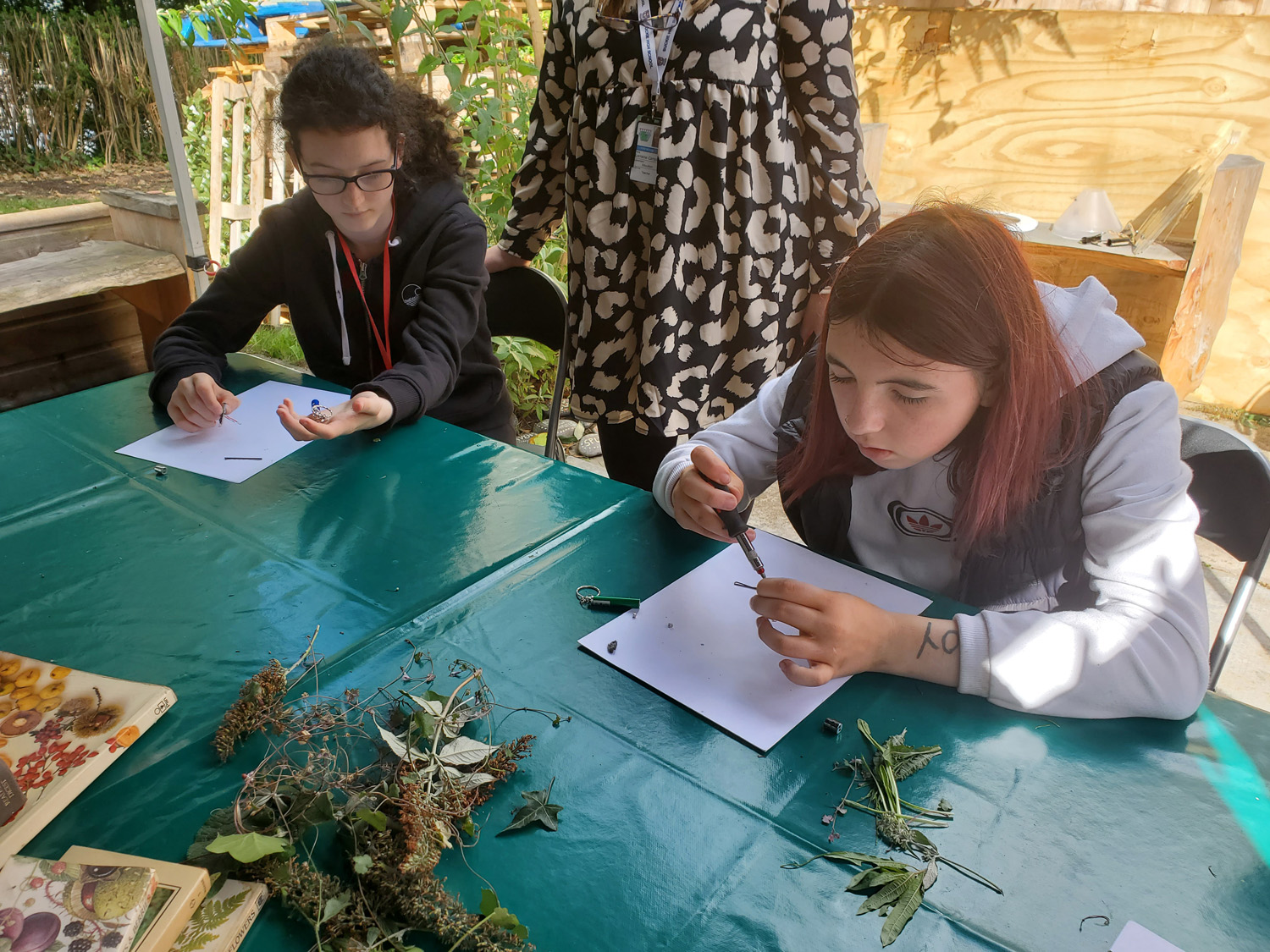
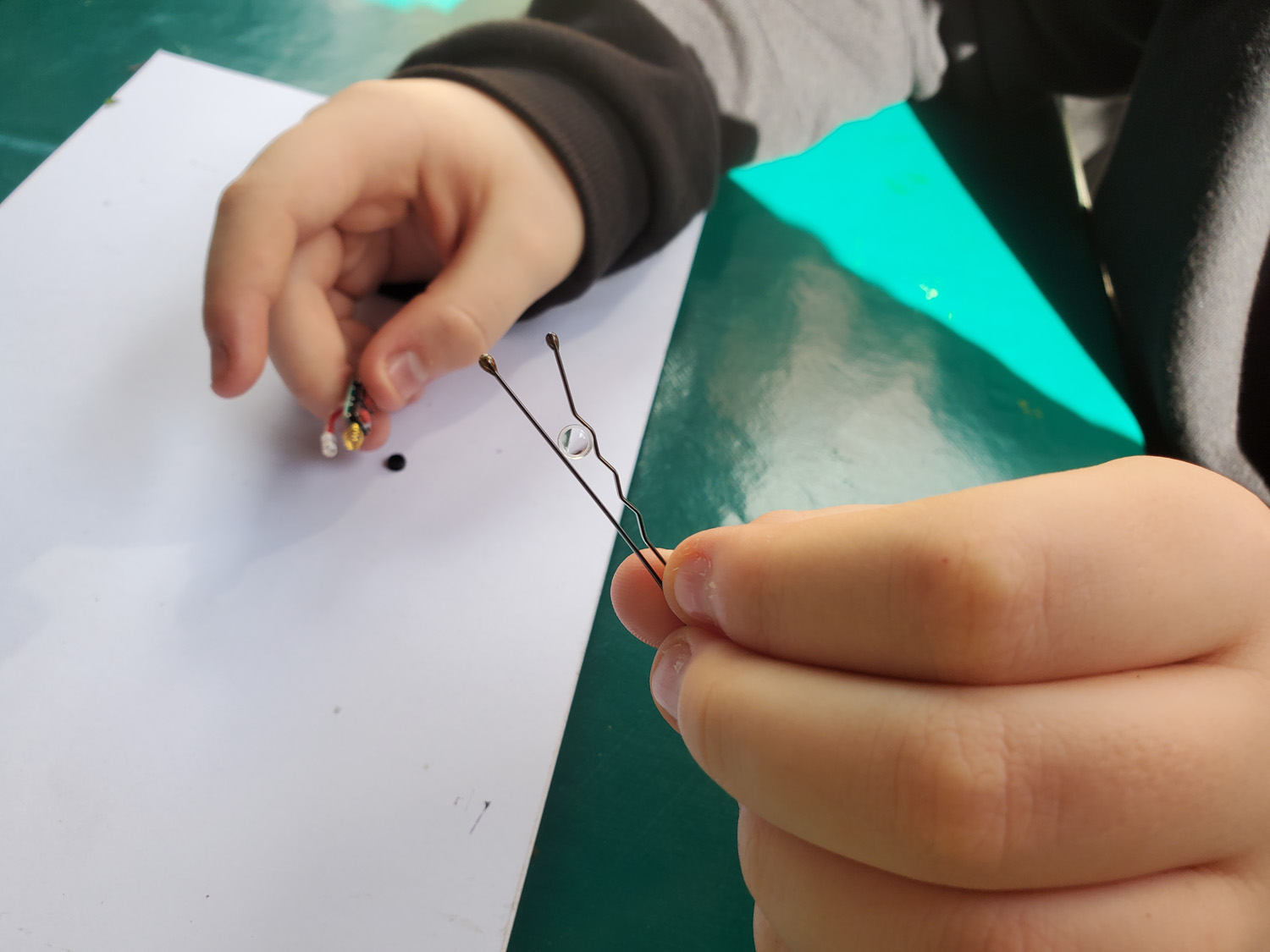
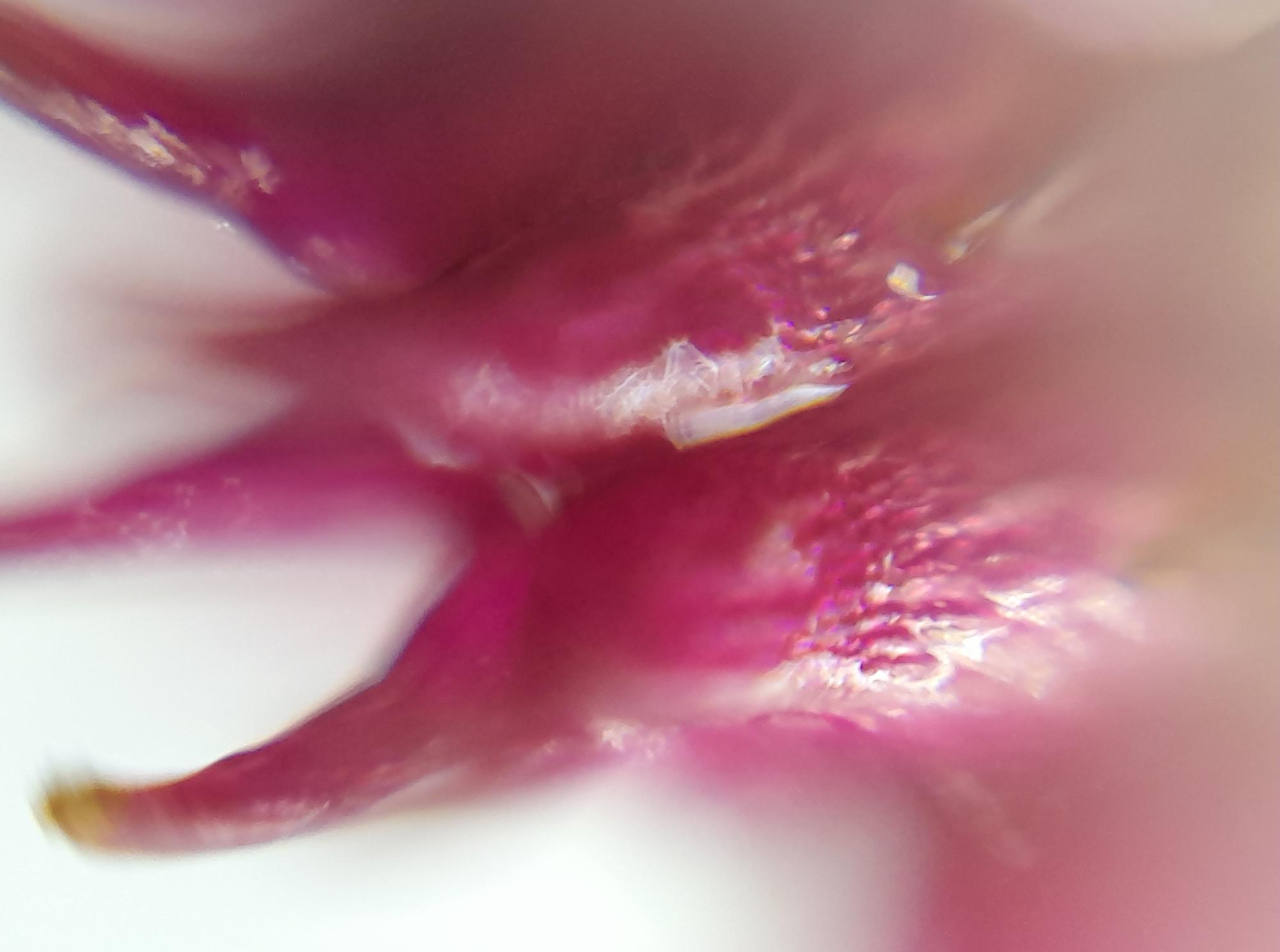
Our accessible activities included cyanotype printing using plants from the garden, making bee hotels, turning smartphones into microscopes using laser pointers, making willow bird feeders and creating simple things that would enhance the space such as nature inspired decorative bunting. All the activities took place in the garden, which at the same time was being cleared by volunteers, and conversations about what was proposed in the space happened at the same time as our activities. The process was organic and developed day by day but in this way, the garden became a colourful space to sit, try out new things, relax and socialise. We gradually became part of the Hub ‘family’ and the garden became a multigenerational gathering place where we were able to introduce new people to both the garden and the hub in a creative conversational environment and introduce new ideas to the space such as a community BBQ.
“Activities like these community workshops are such an important part of lifelong learning. They bring communities together, improve people’s health and well-being, and raise awareness of environmental issues. The positive impact of art and creativity was clear to see”
Participant
Bee Hotels:
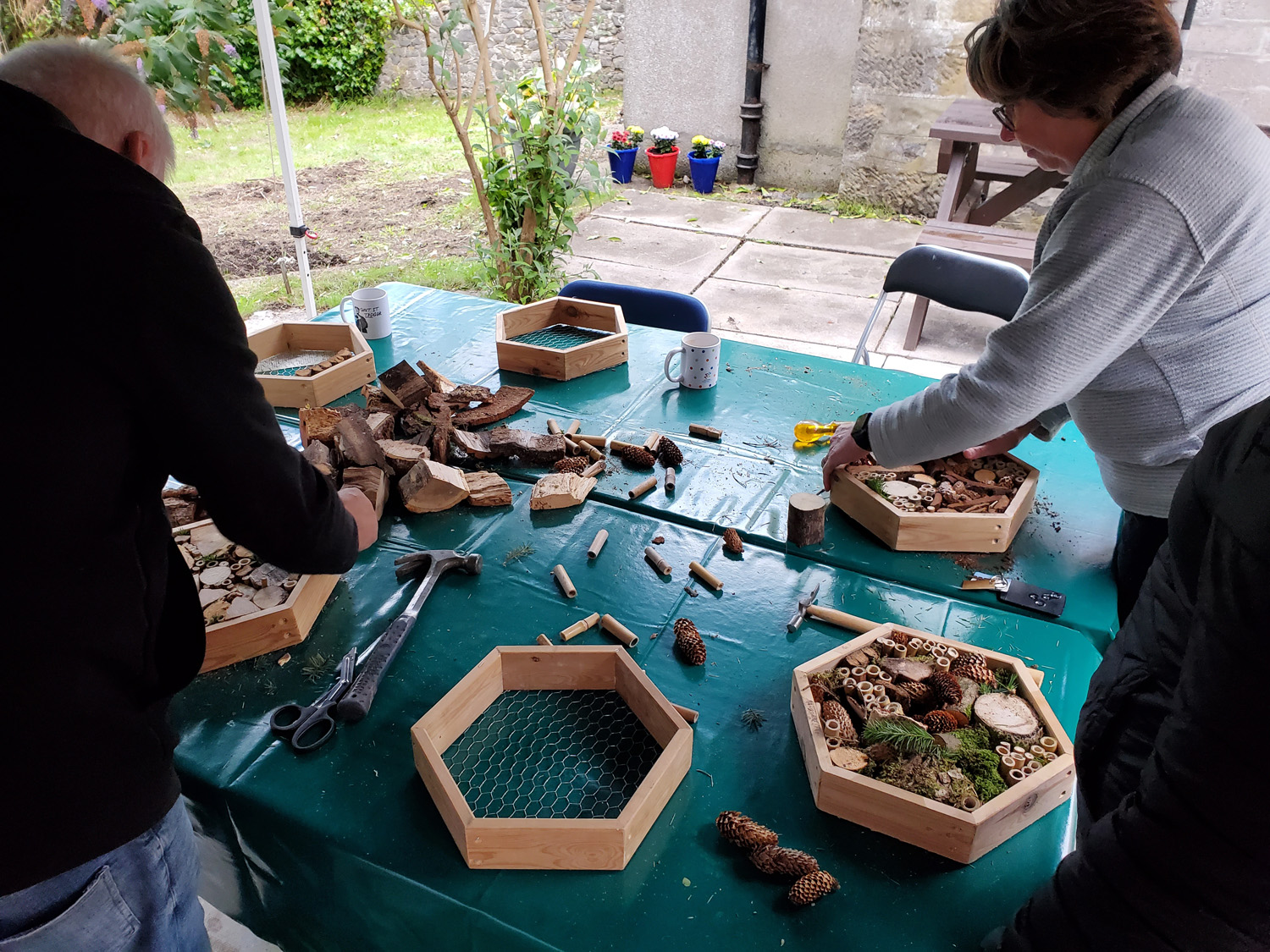
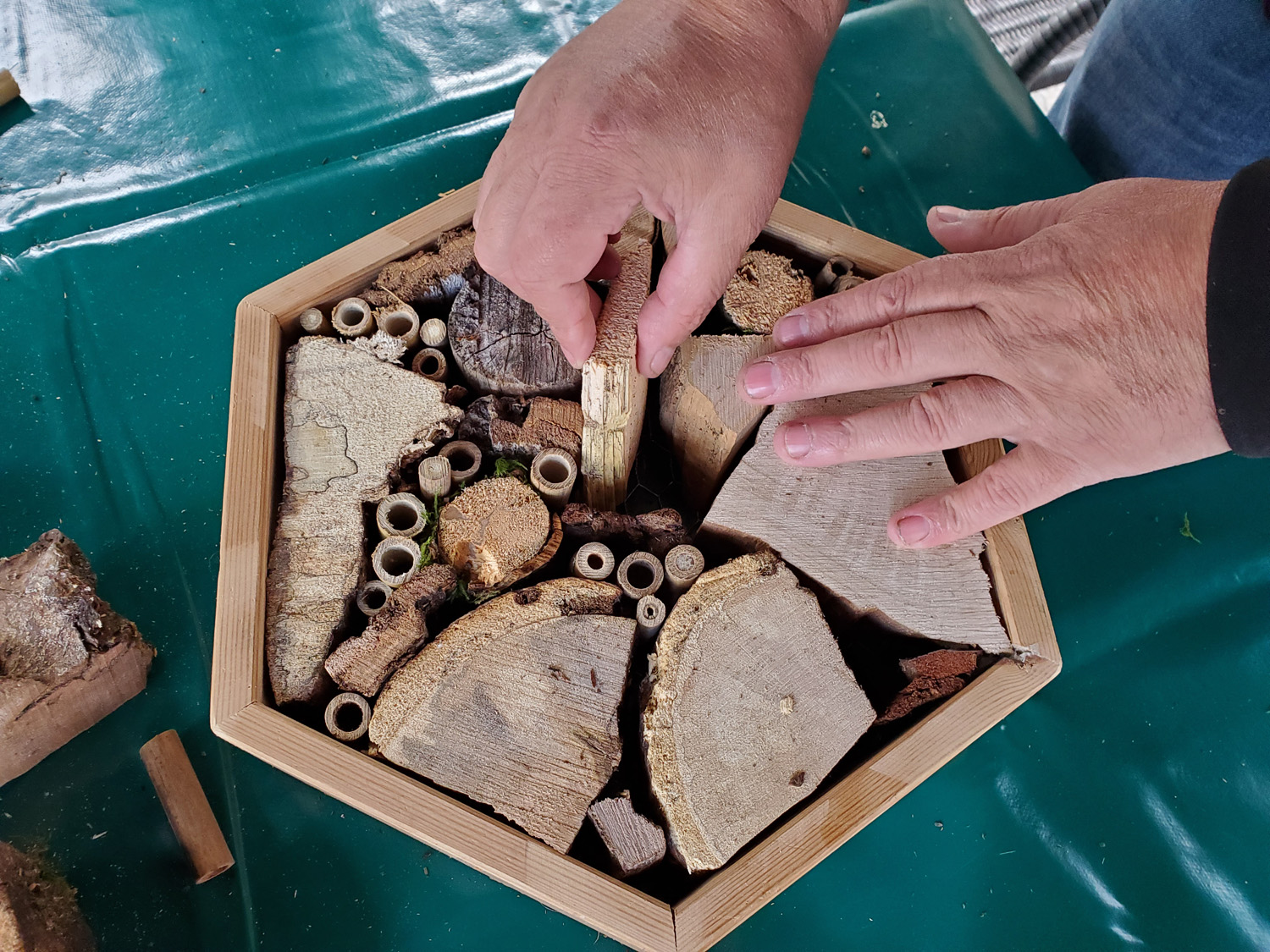
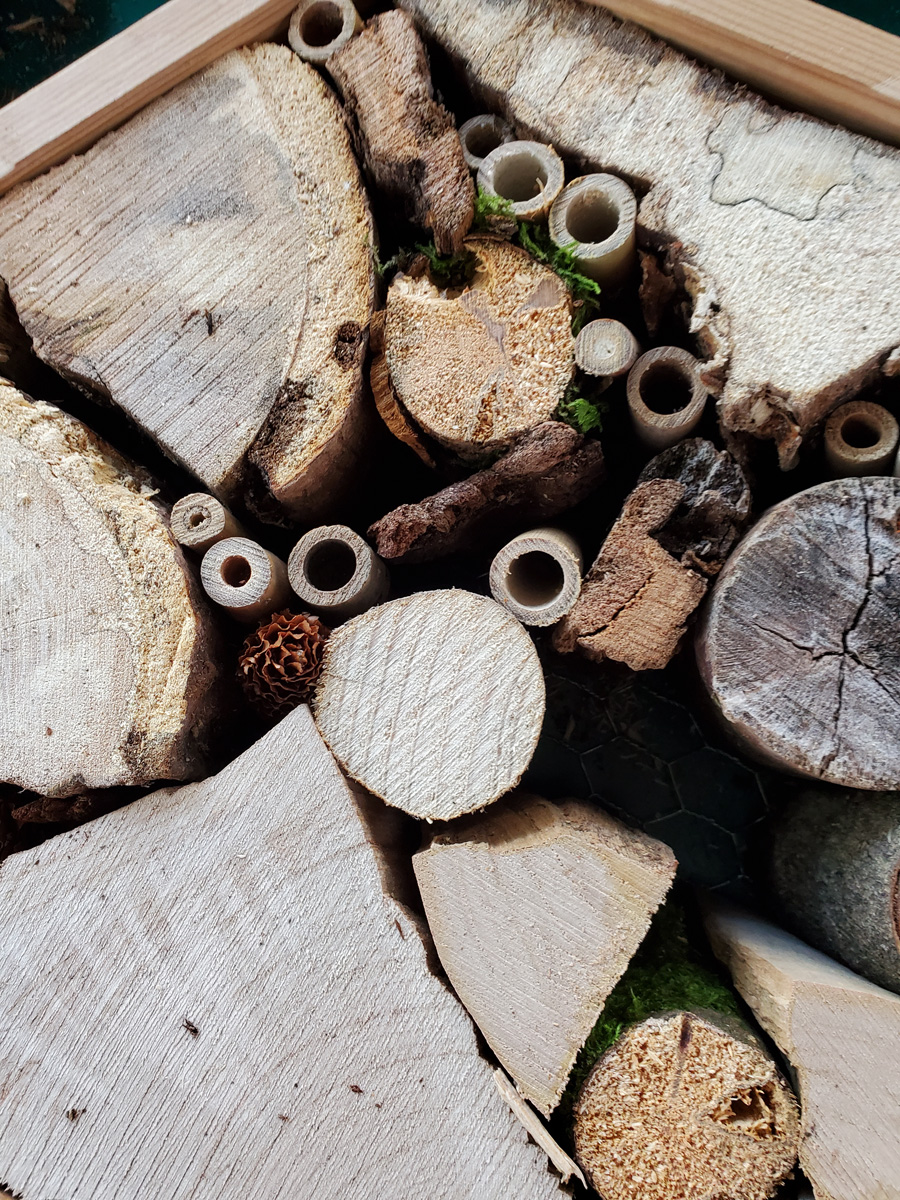

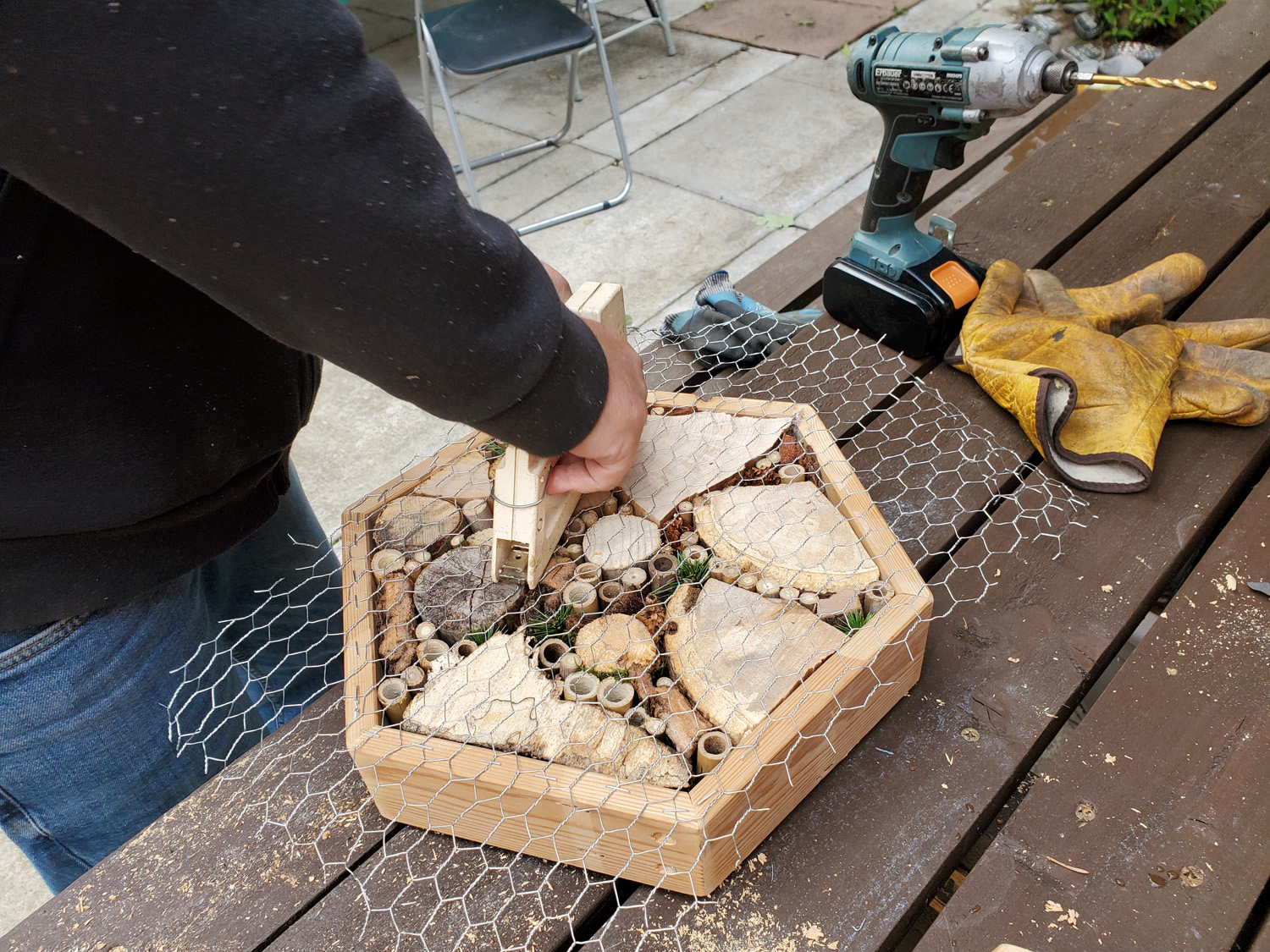

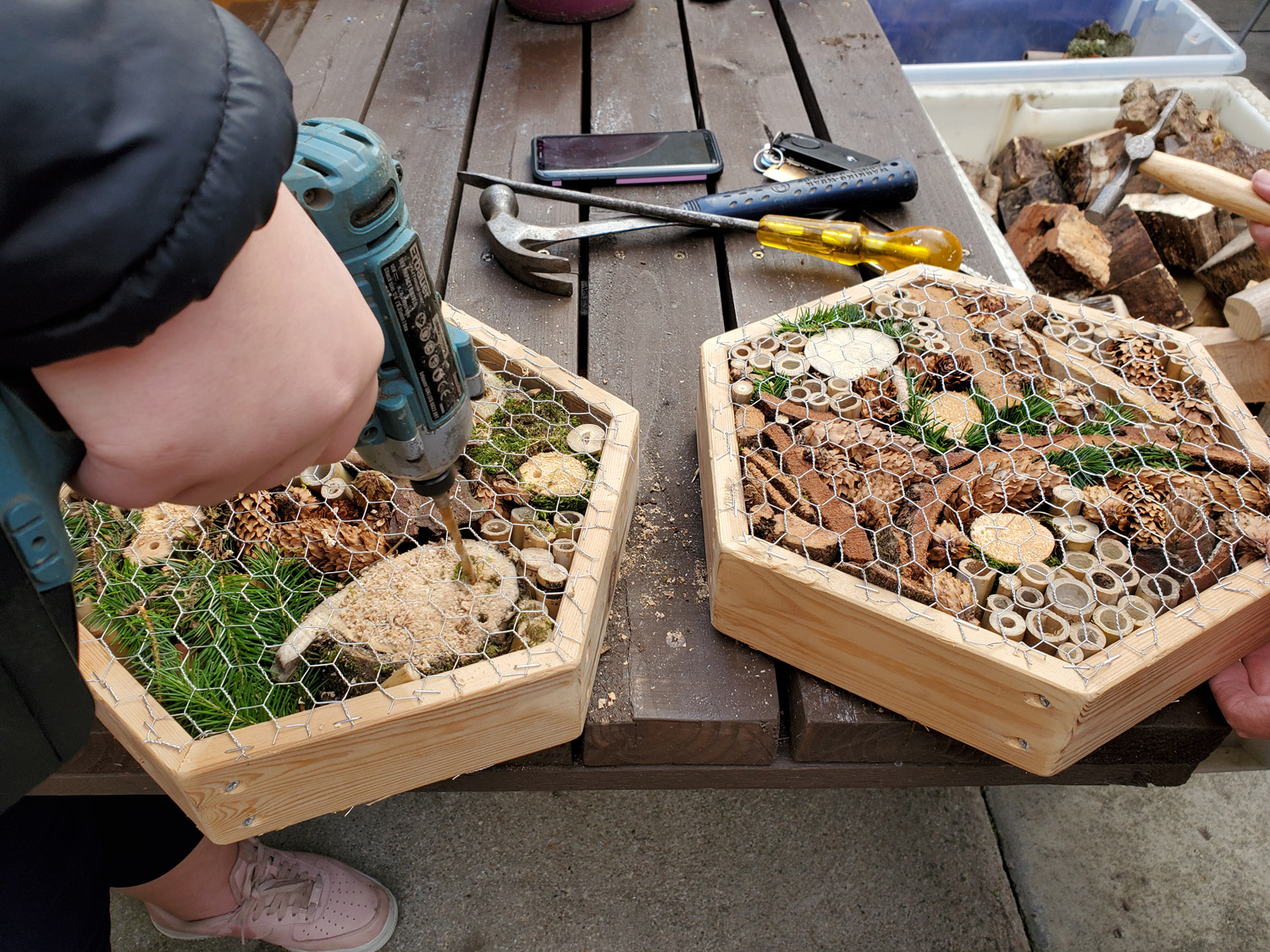
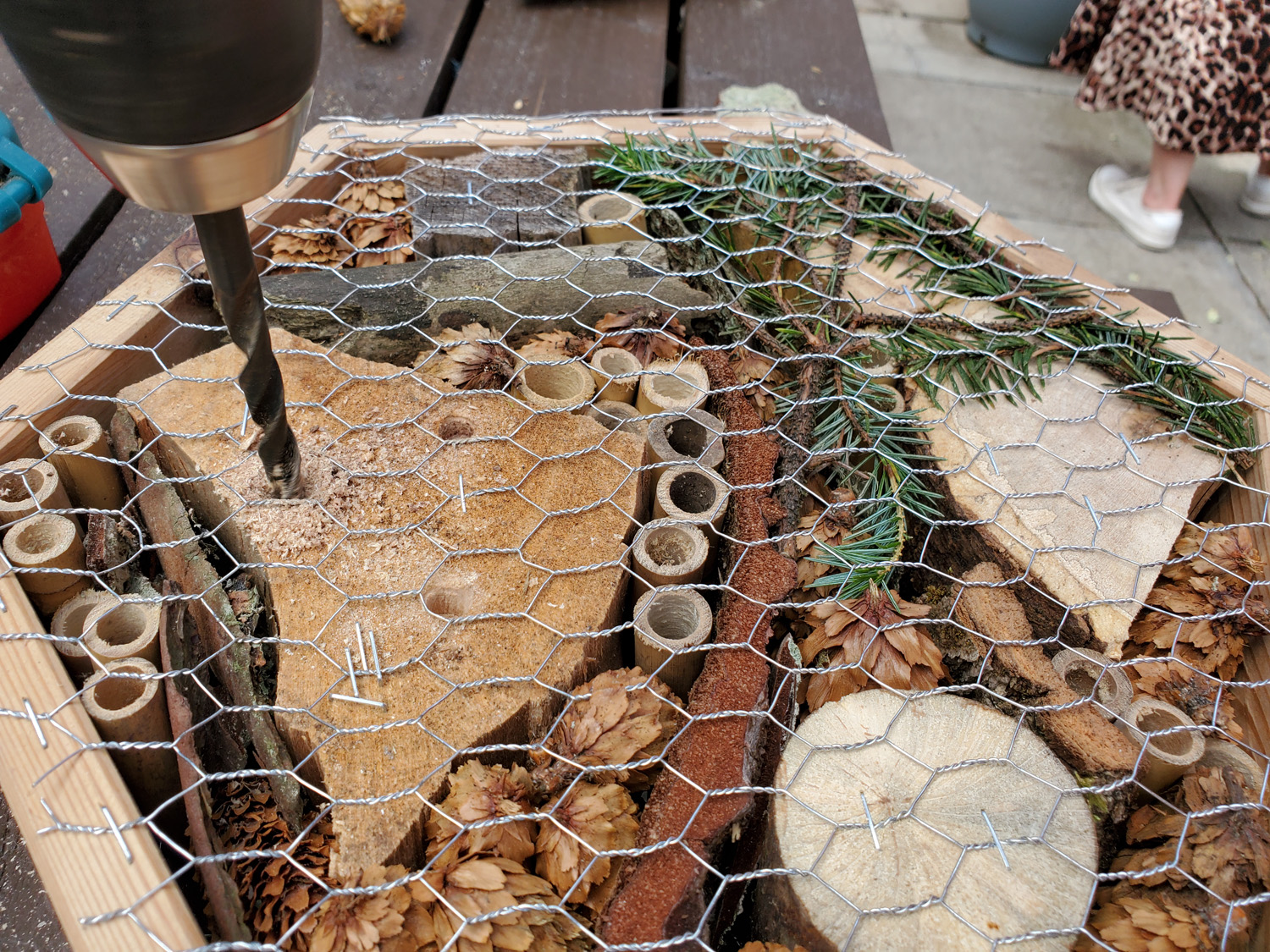

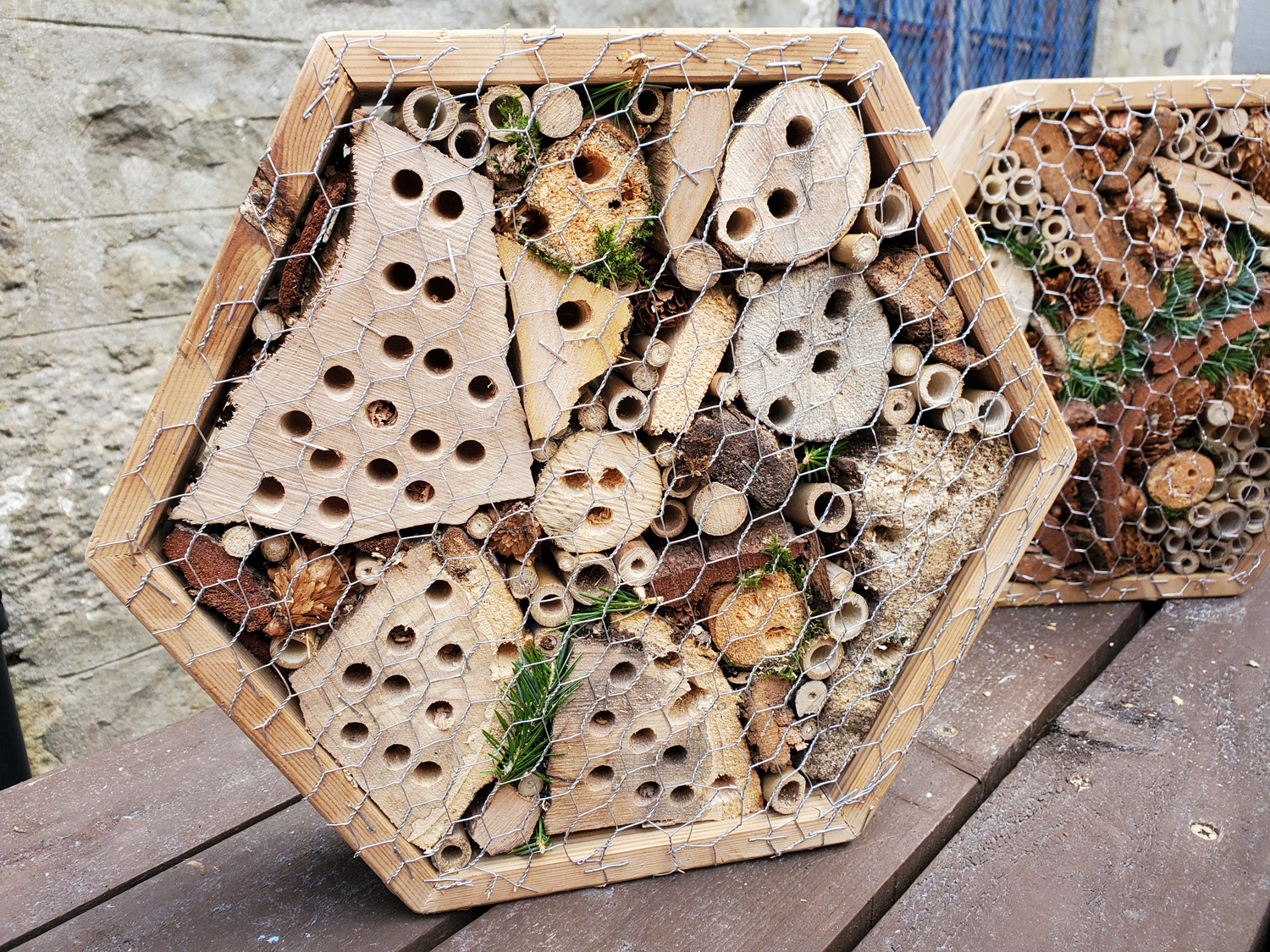
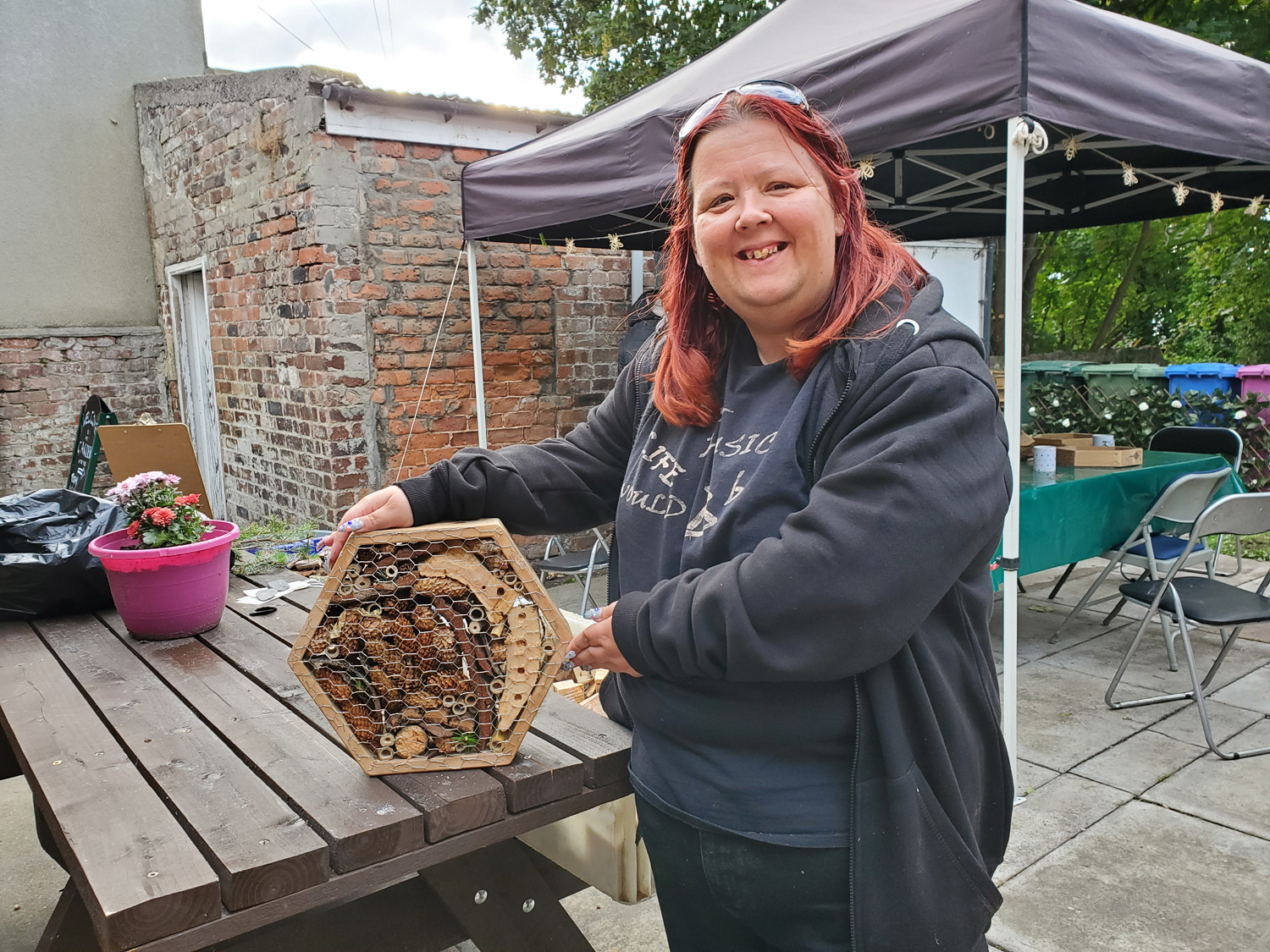
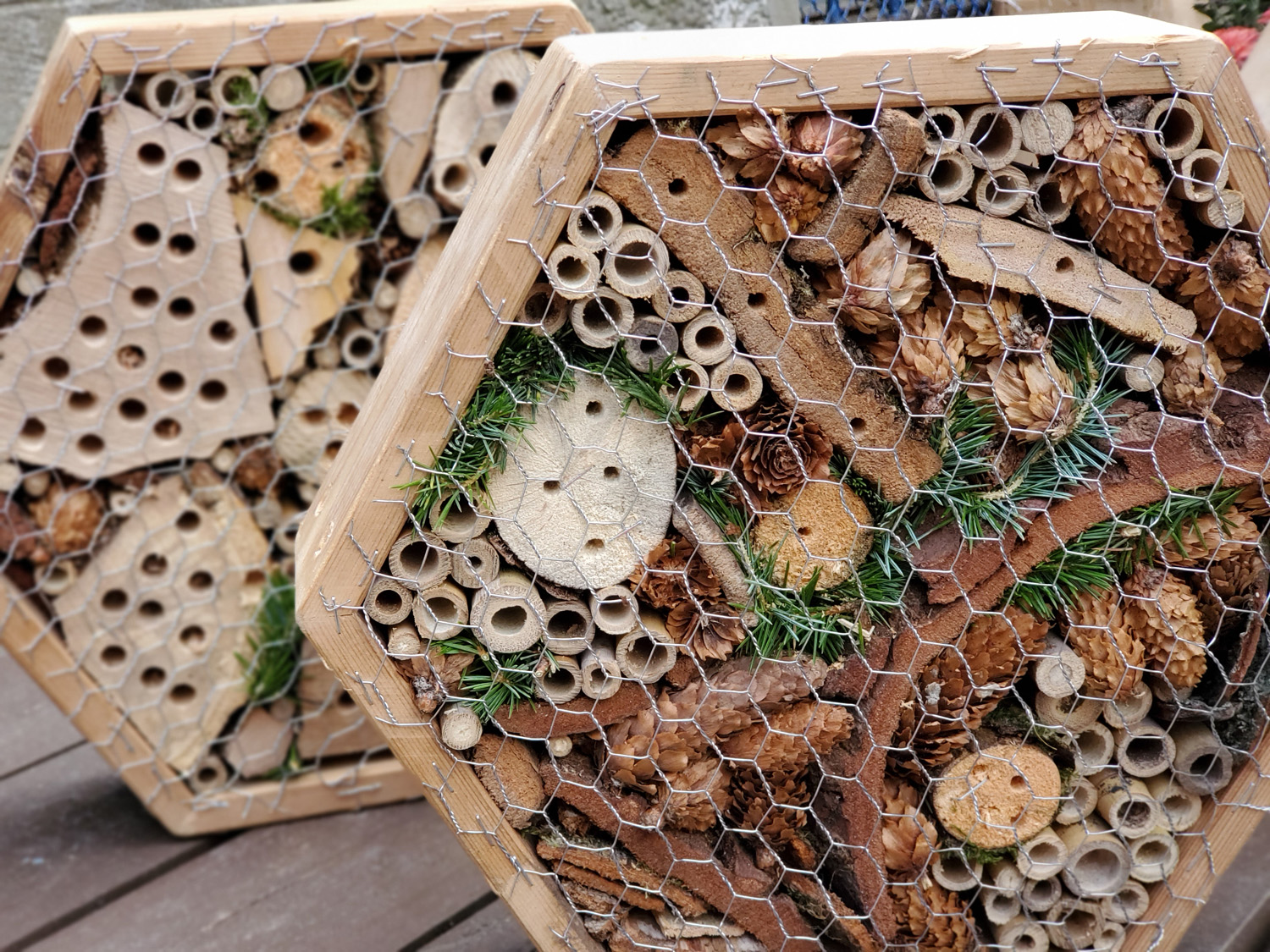
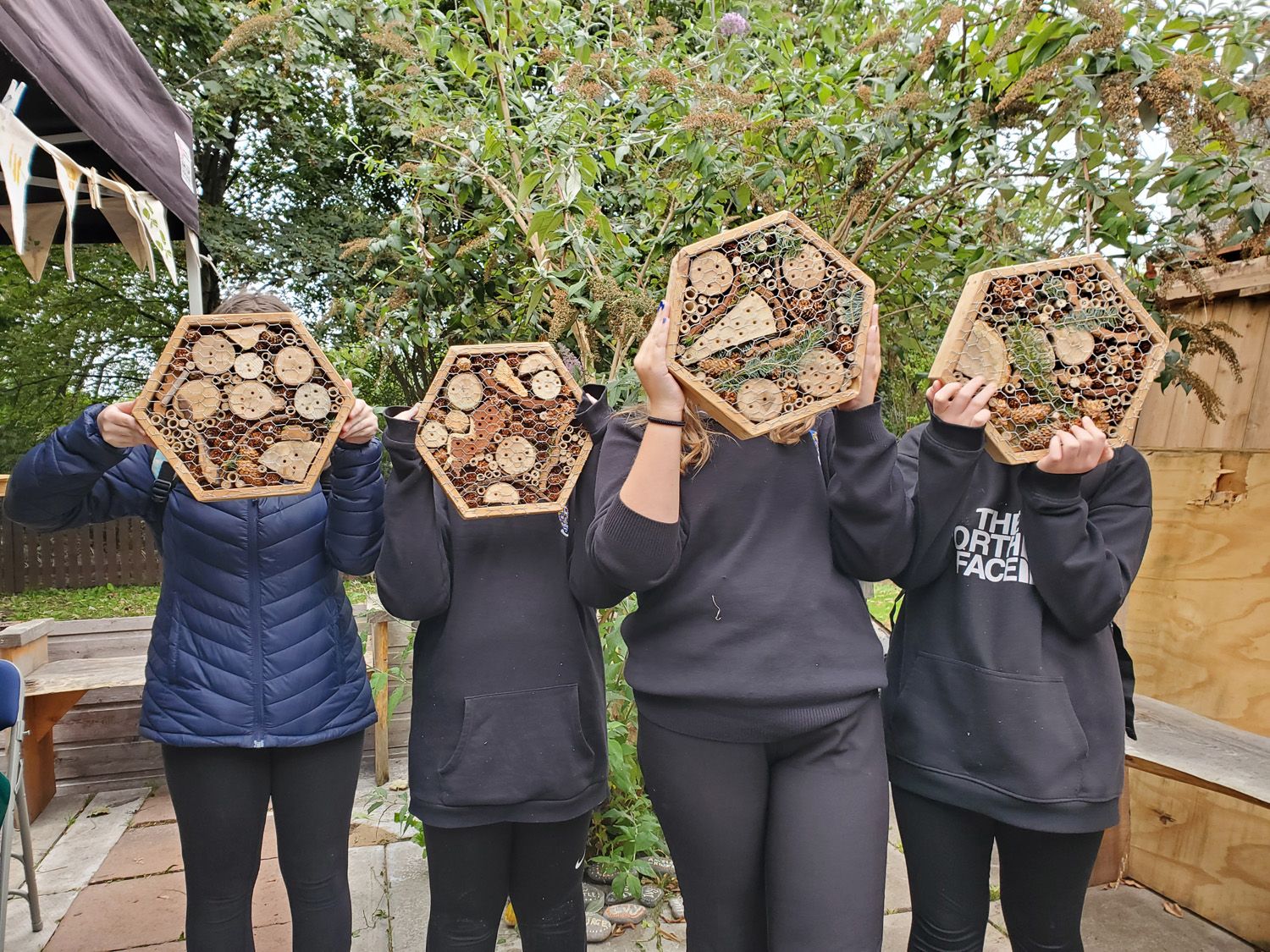
“Both the young people and I absolutely loved the sessions, they raved about them afterward. They developed, a greater understanding of nature and how all creatures need homes. When we returned to the school there was also a discussion held with the young people about how the sessions made them feel about their own local community and it was overall agreed that the space which had always felt adult based to them was a little less intimidating”
Youth work leader
Willow Bird Feeders:

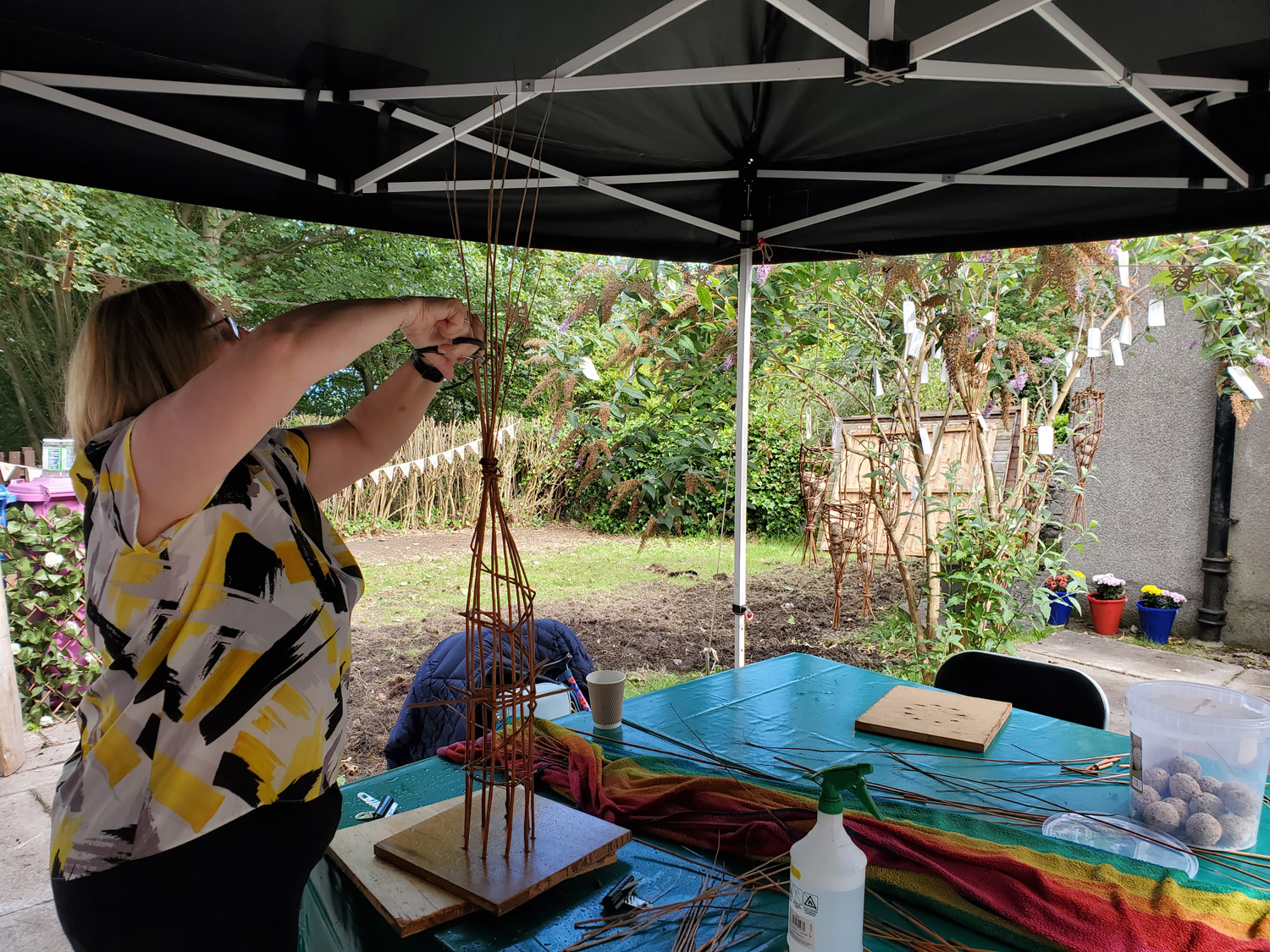
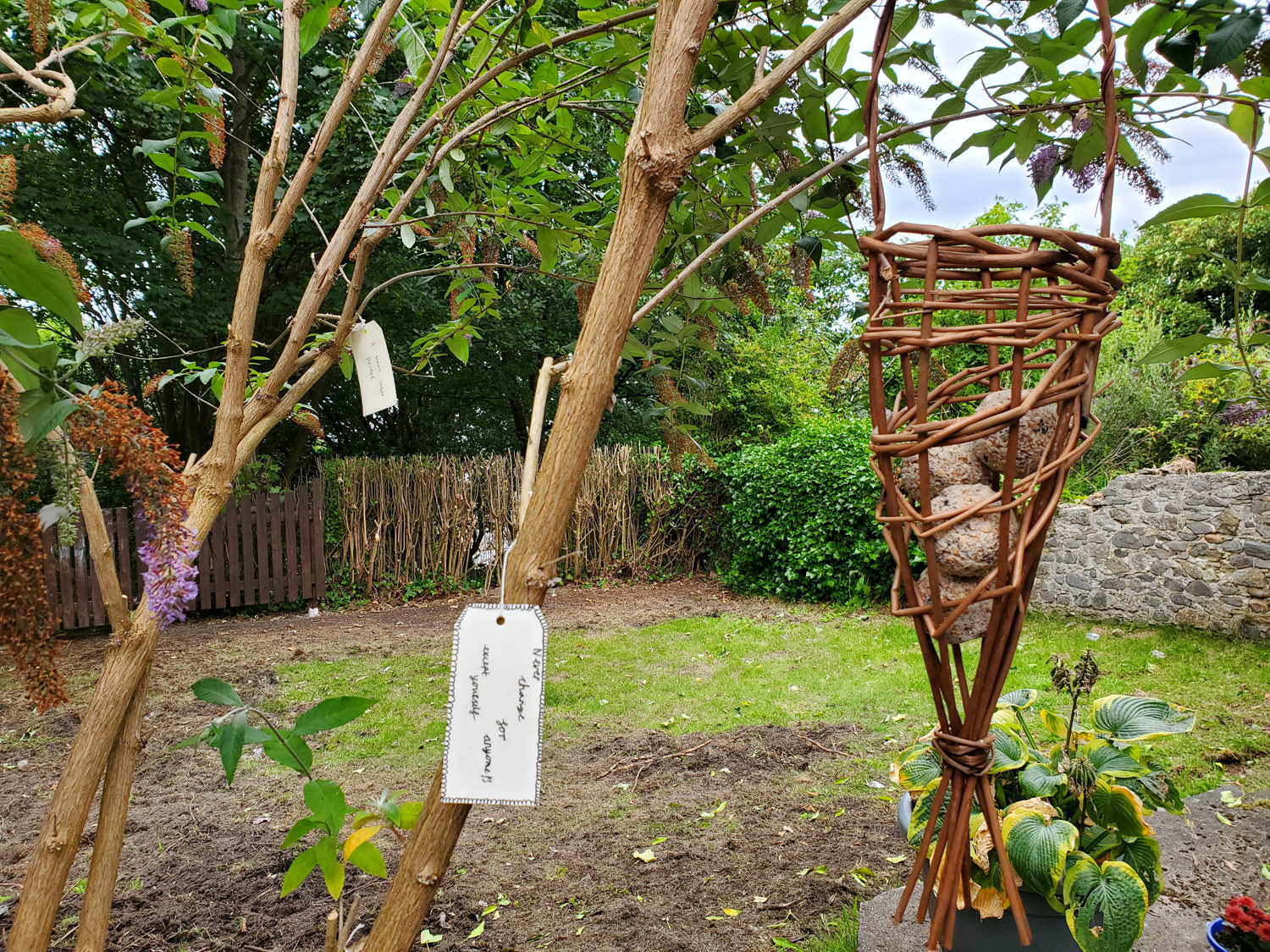
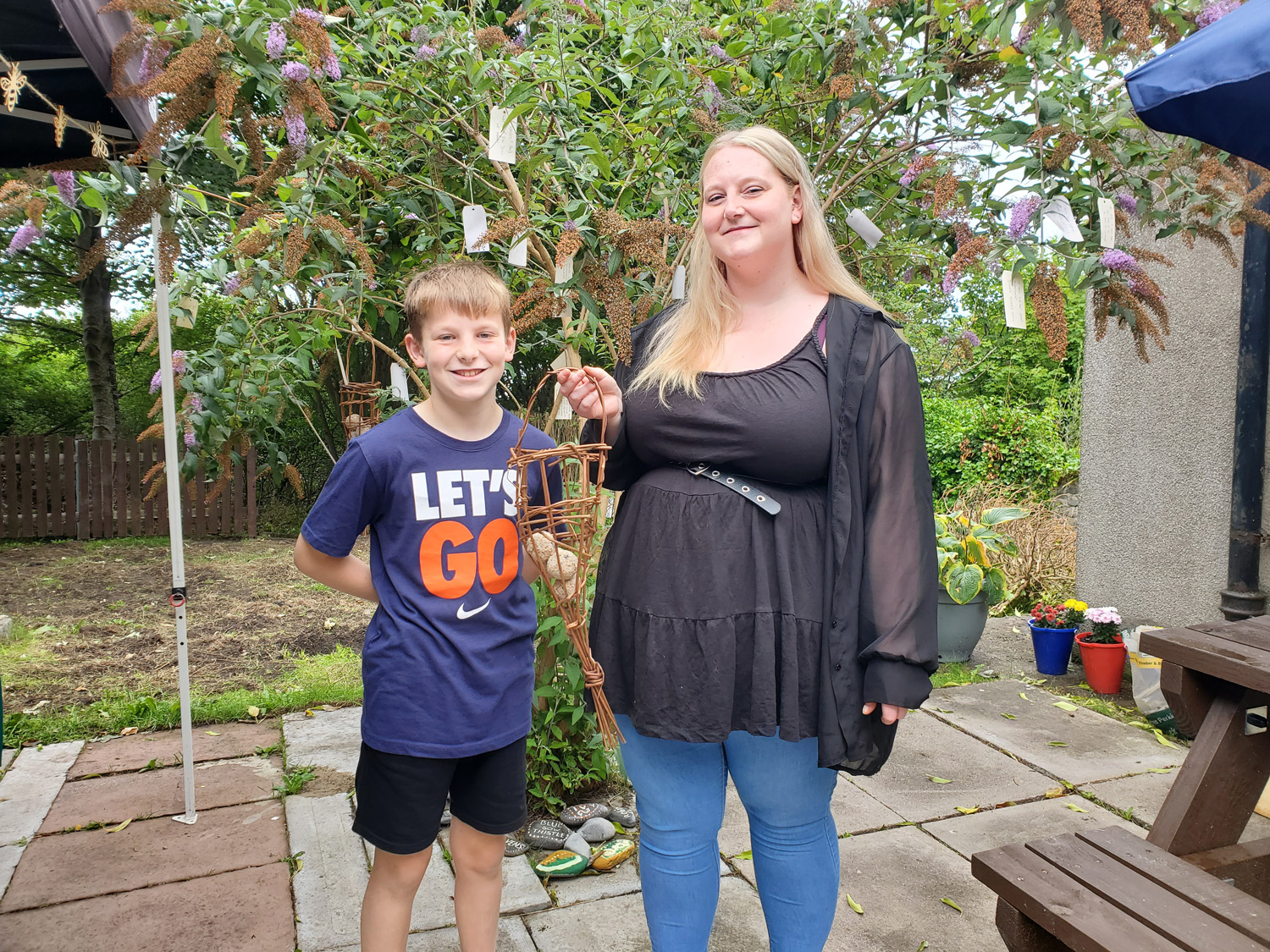
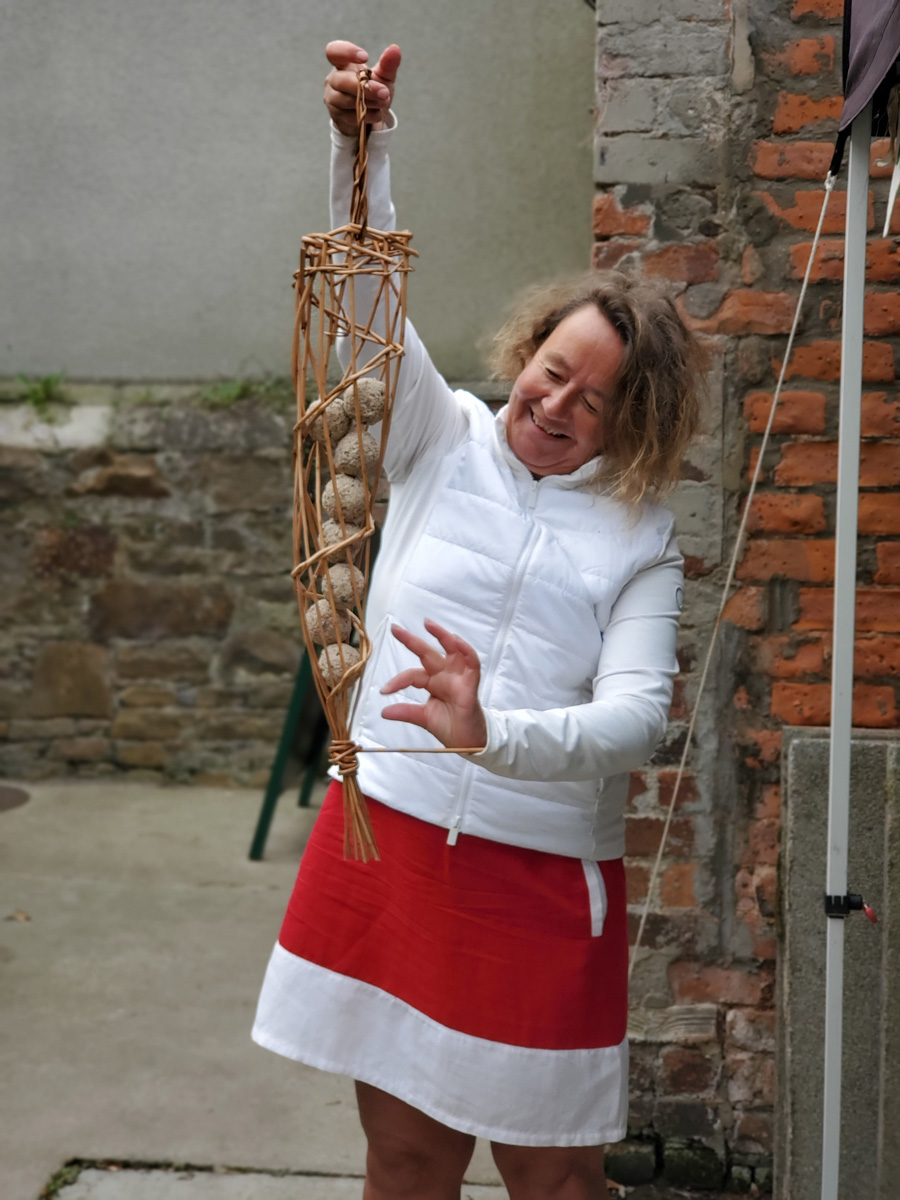
“Like myself, everyone who participated in one of the activities offered, left with a smile on their face”.
Participant
We loved involving people in both creative activities and conversation, and as volunteers became more interested in and confident with the activities, some of them started teaching the techniques to visitors. There was a real sense of collaboration and excitement at how The Secret Garden was being integrated into and enhancing the day to day running of the centre.
Nature Inspired Bunting:

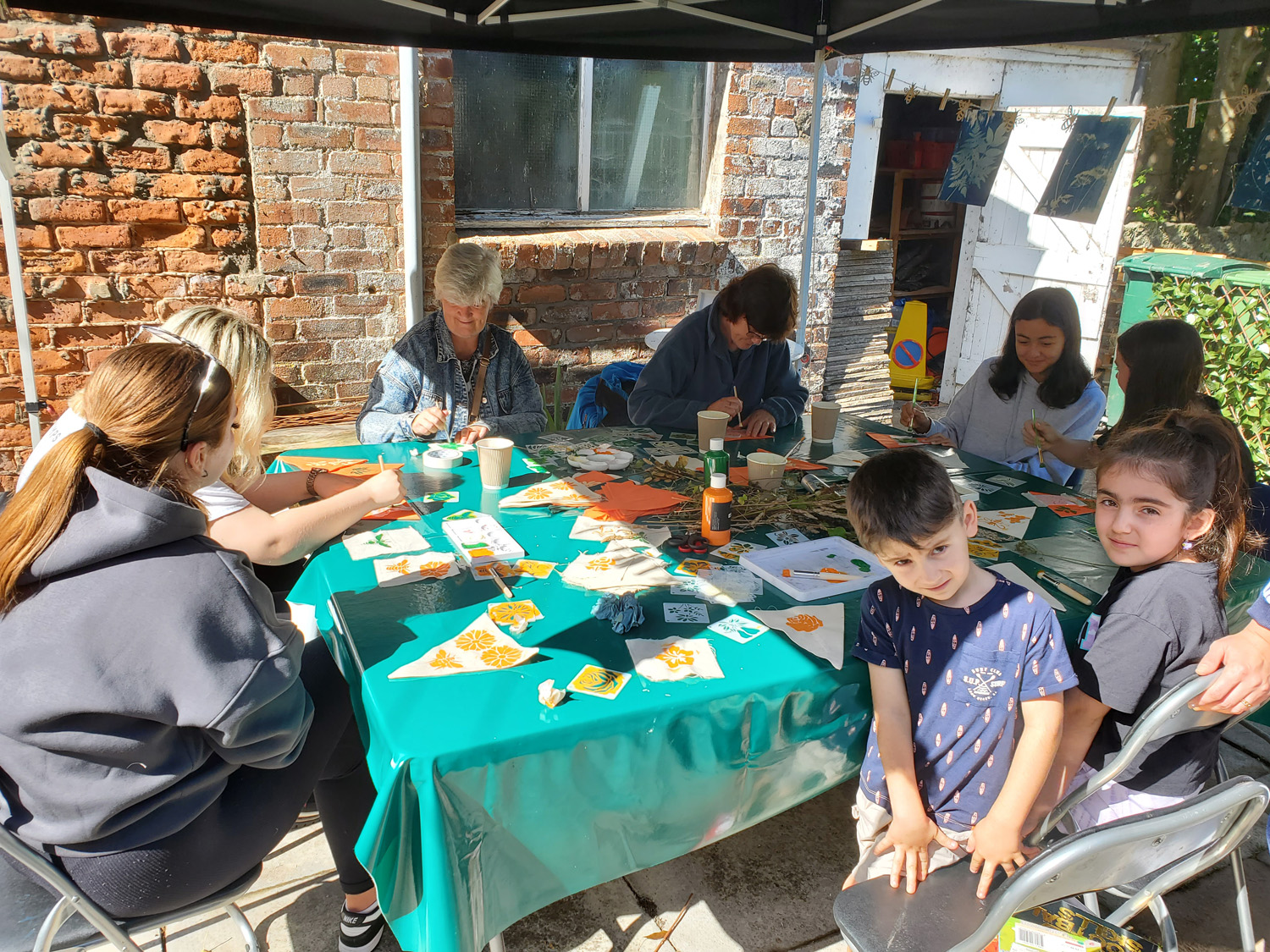

“The Secret Garden project opened my eyes to the value of using creativity as a means of involving people from all walks of life in shared activities” .
Hub Committee Member
Cyanotypes using plants from the garden and moths that visited the garden:
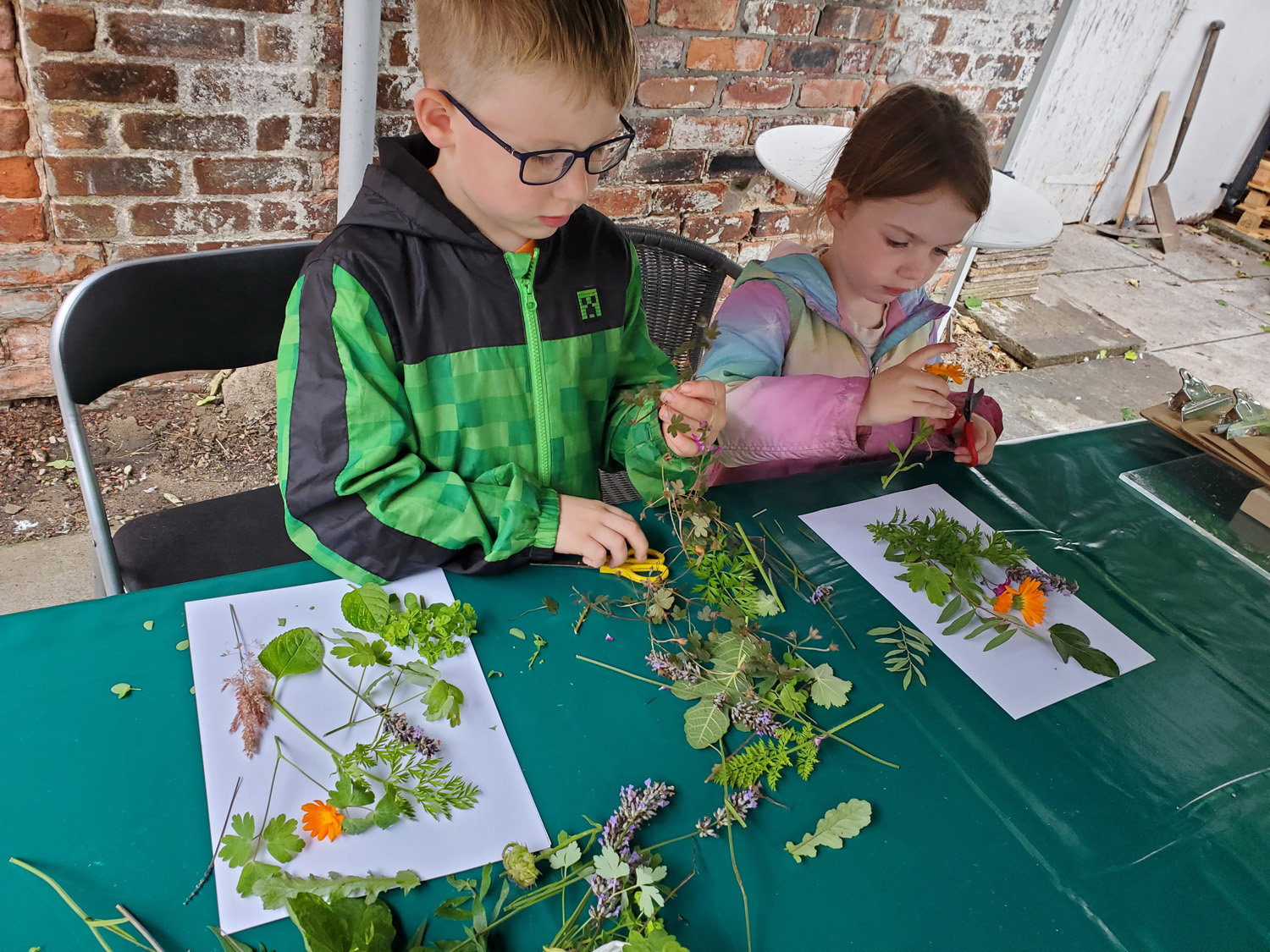
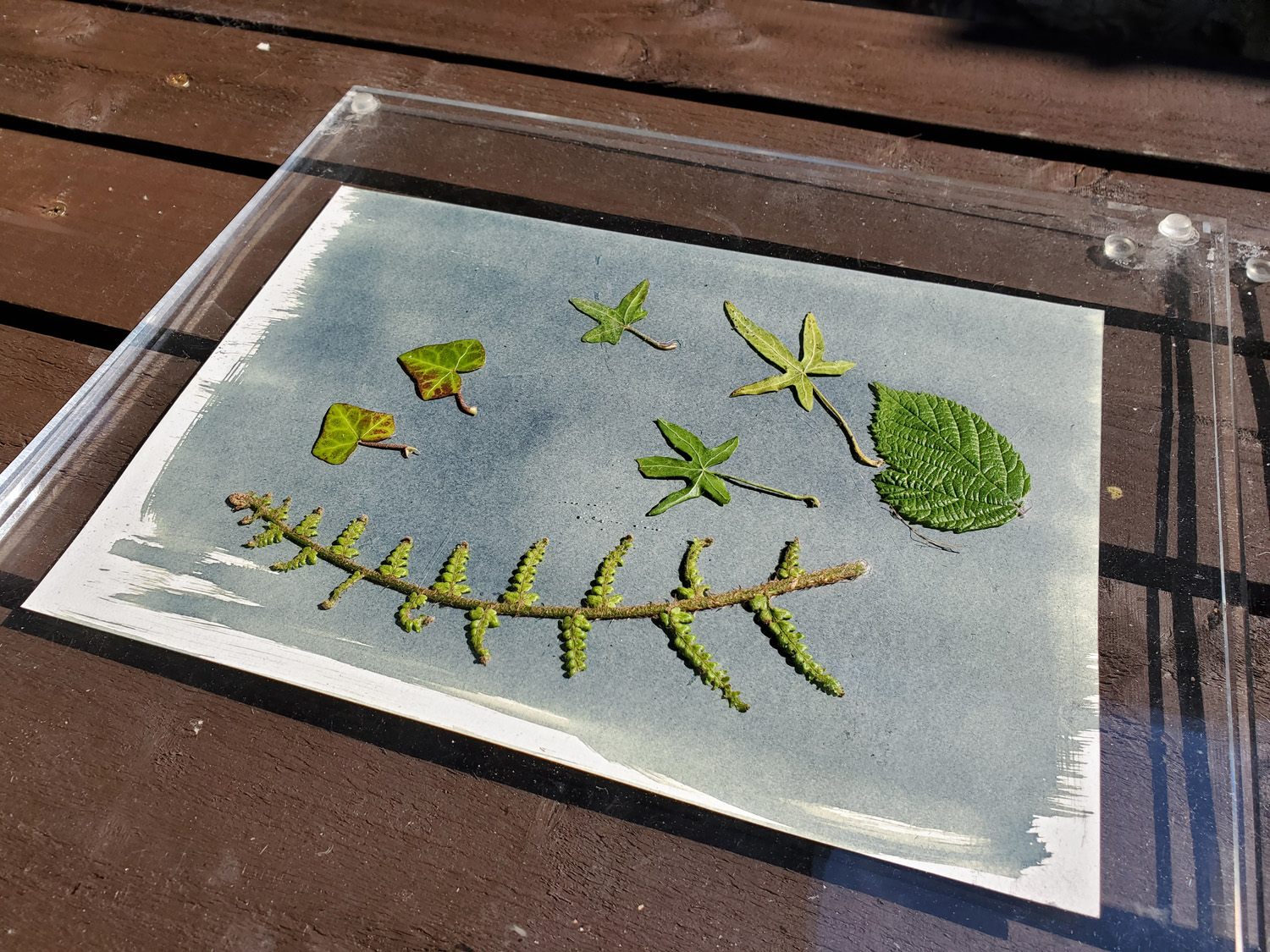

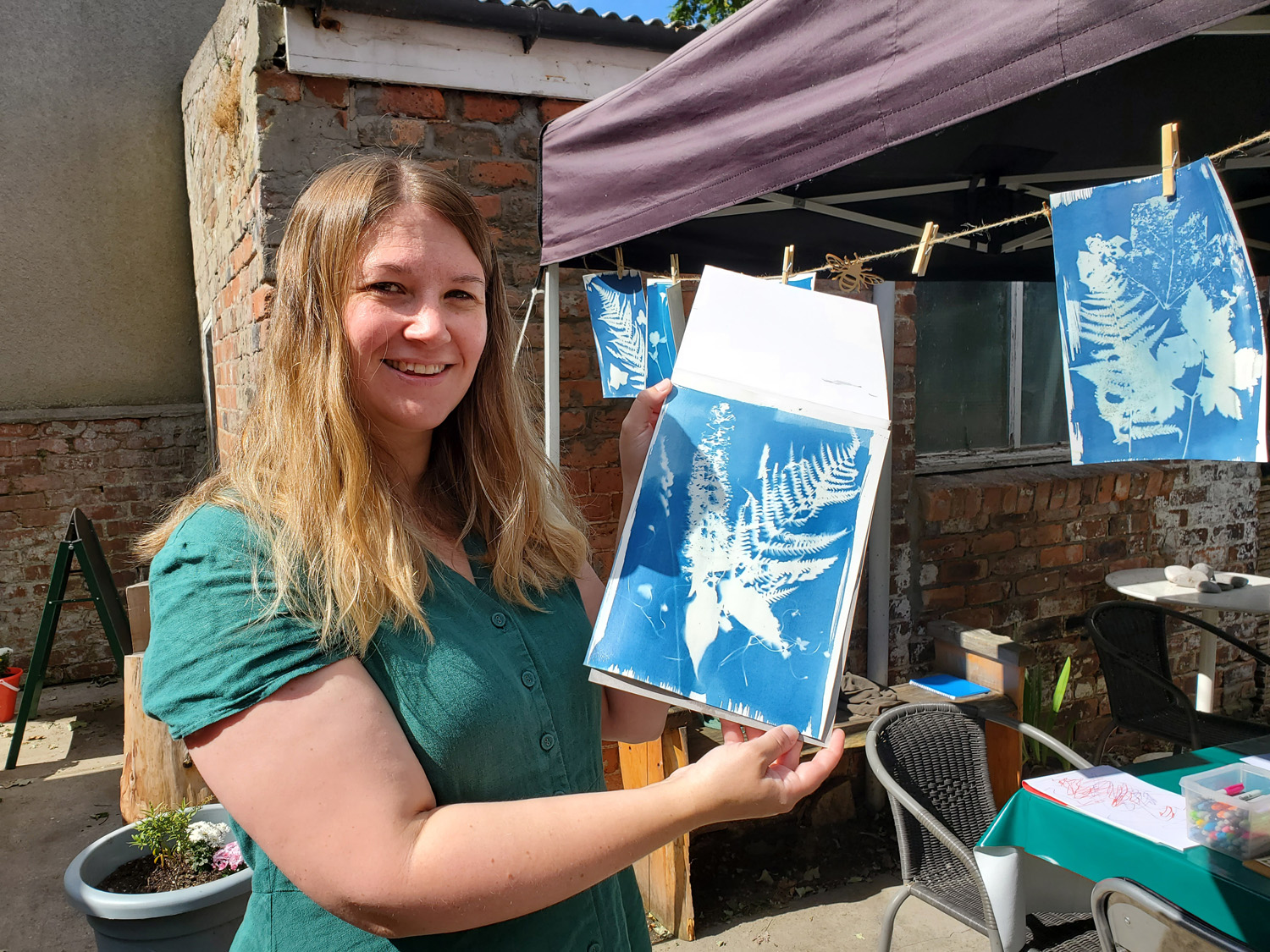
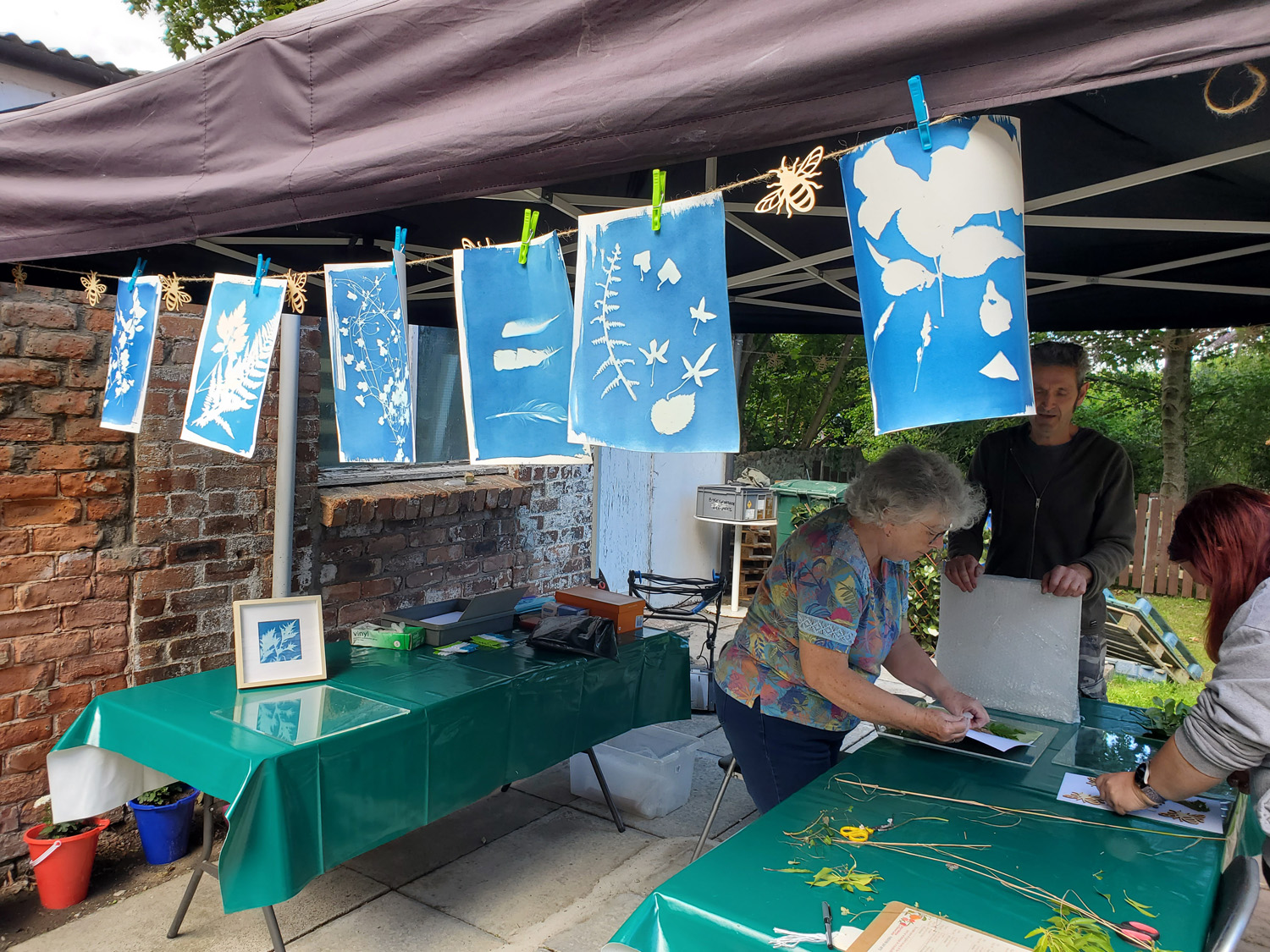
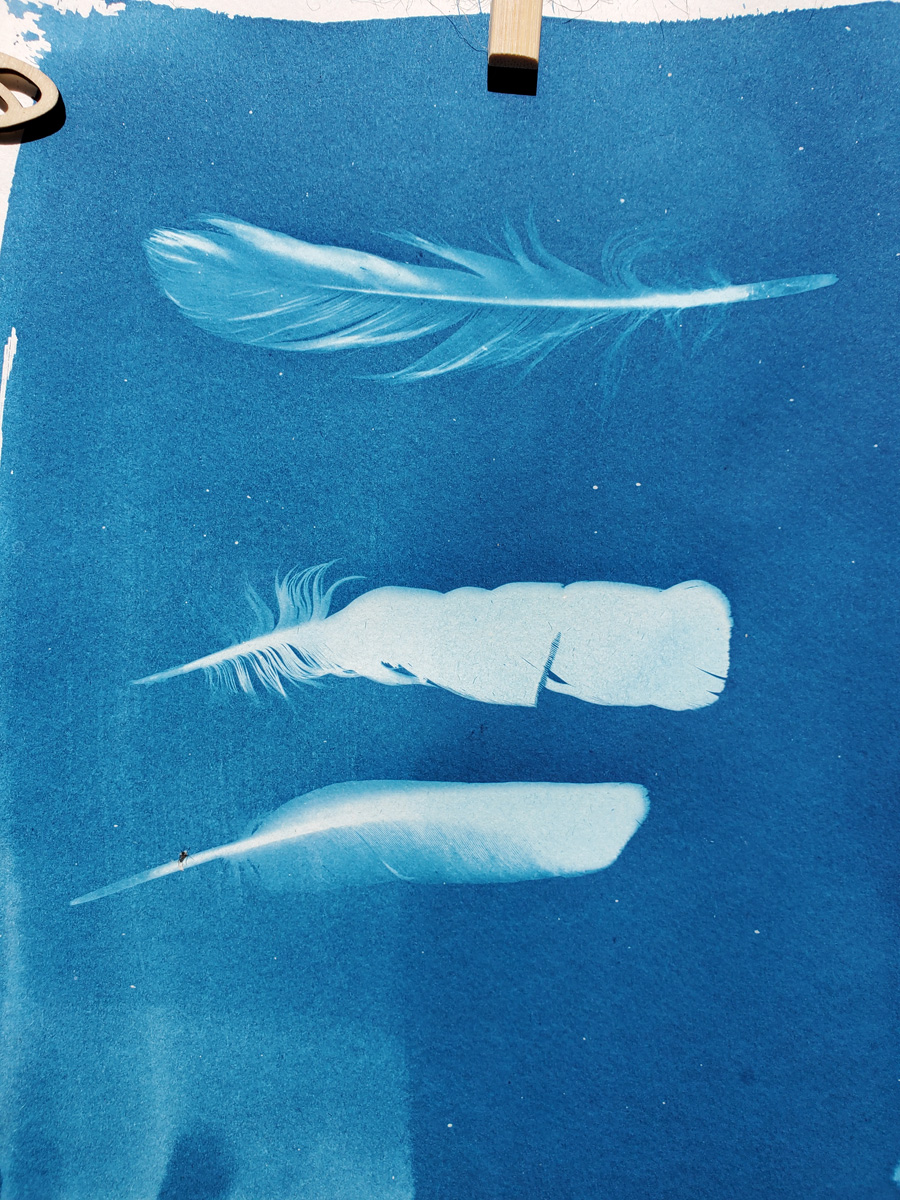

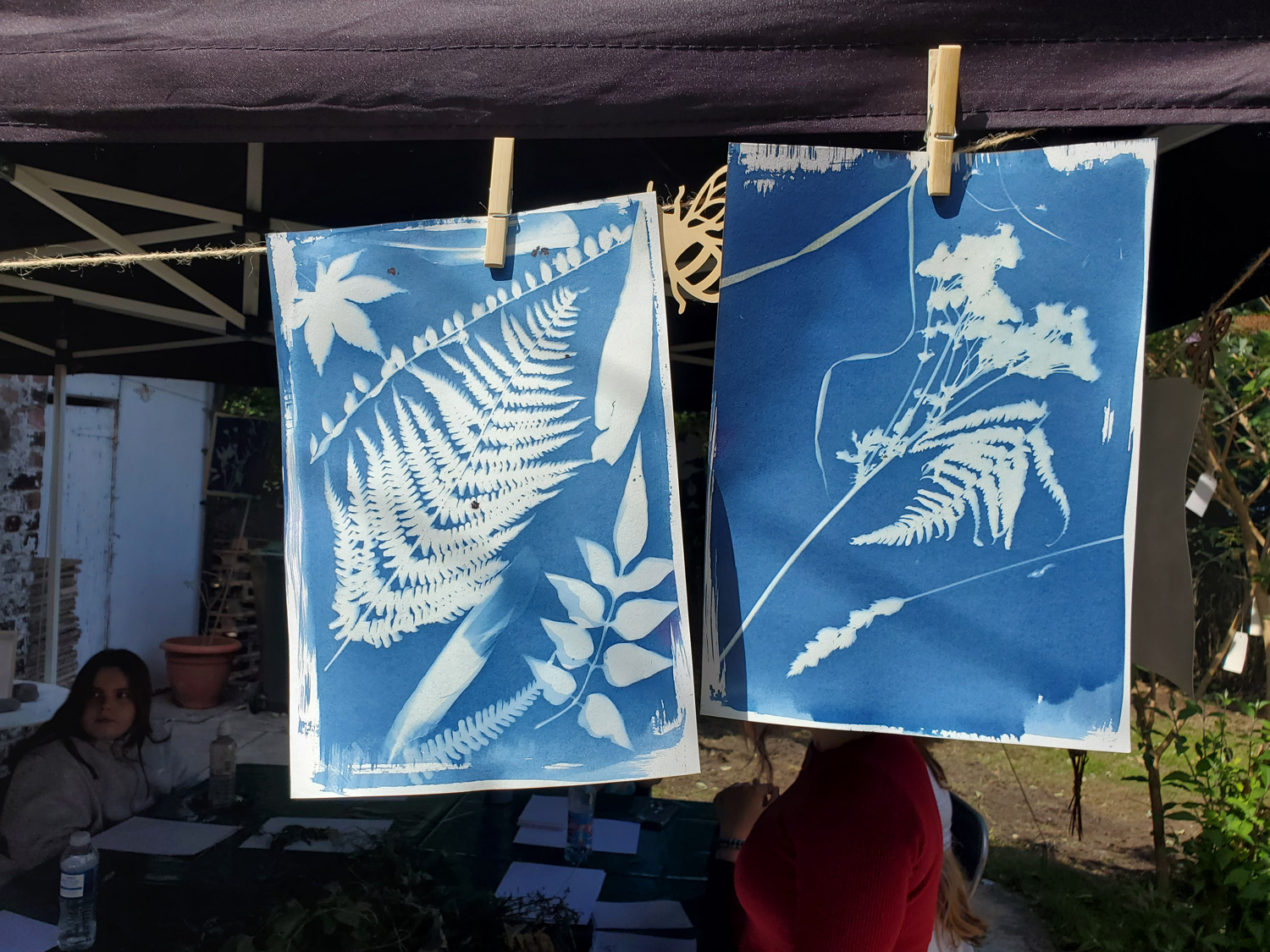
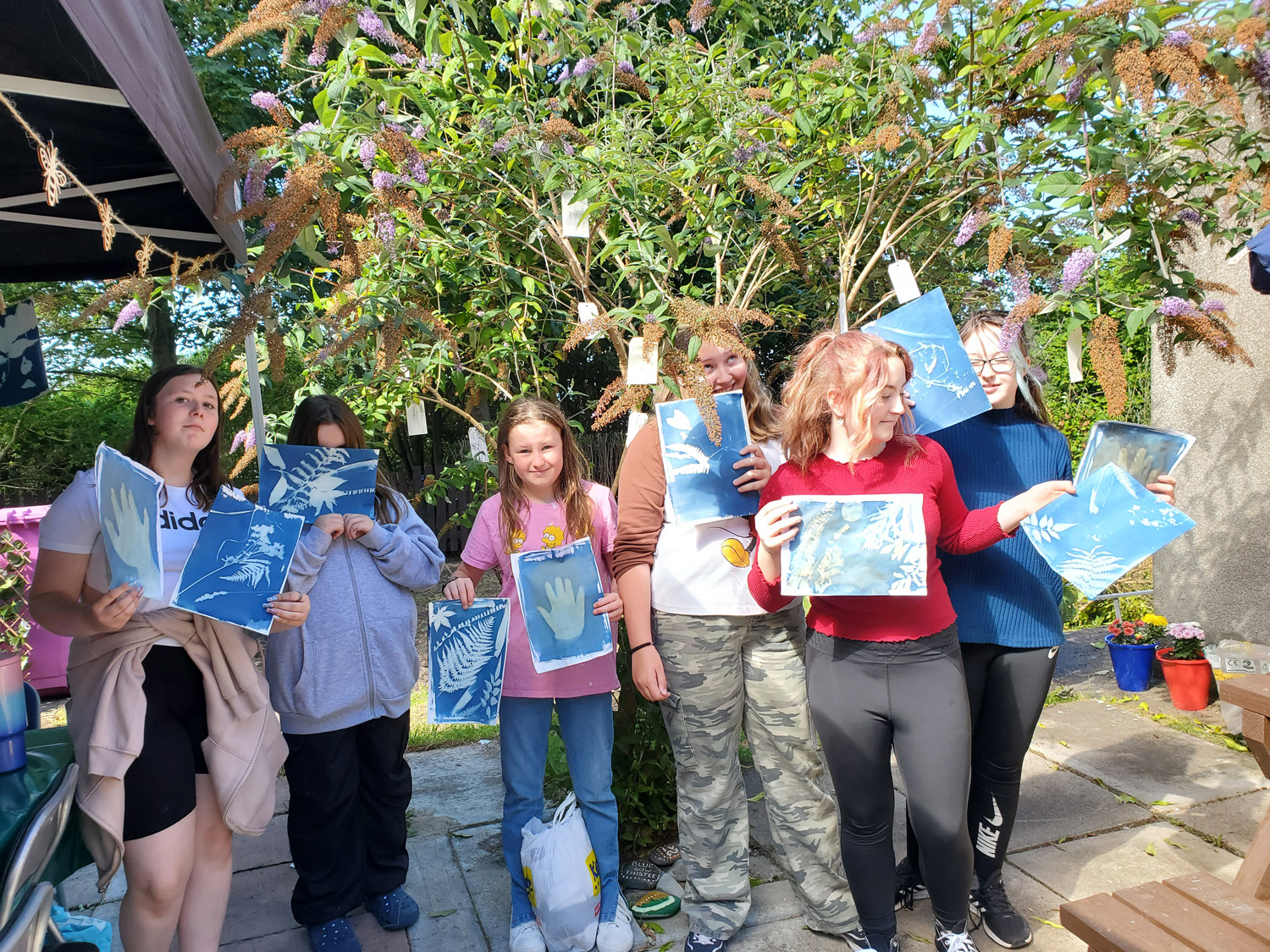
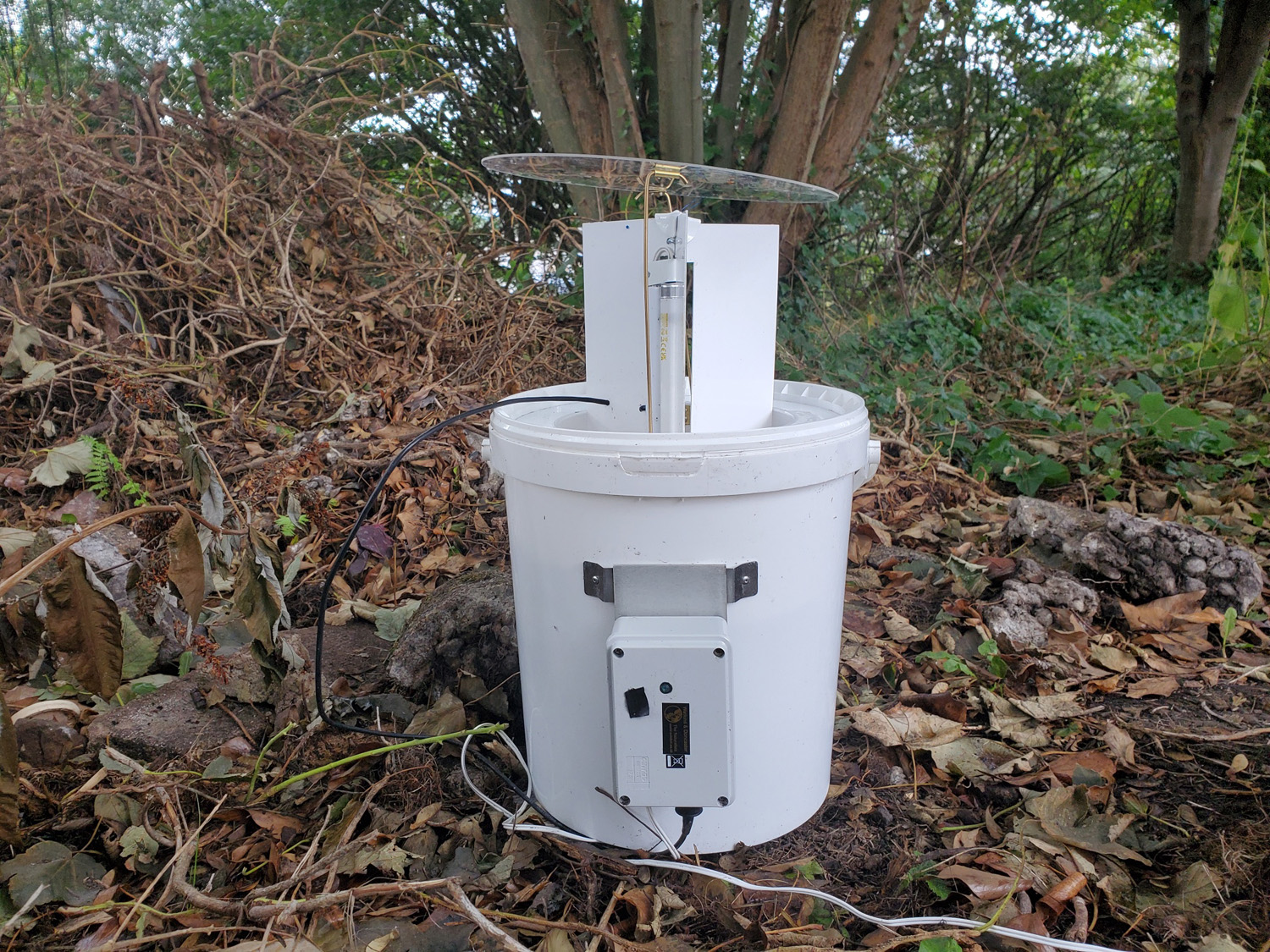
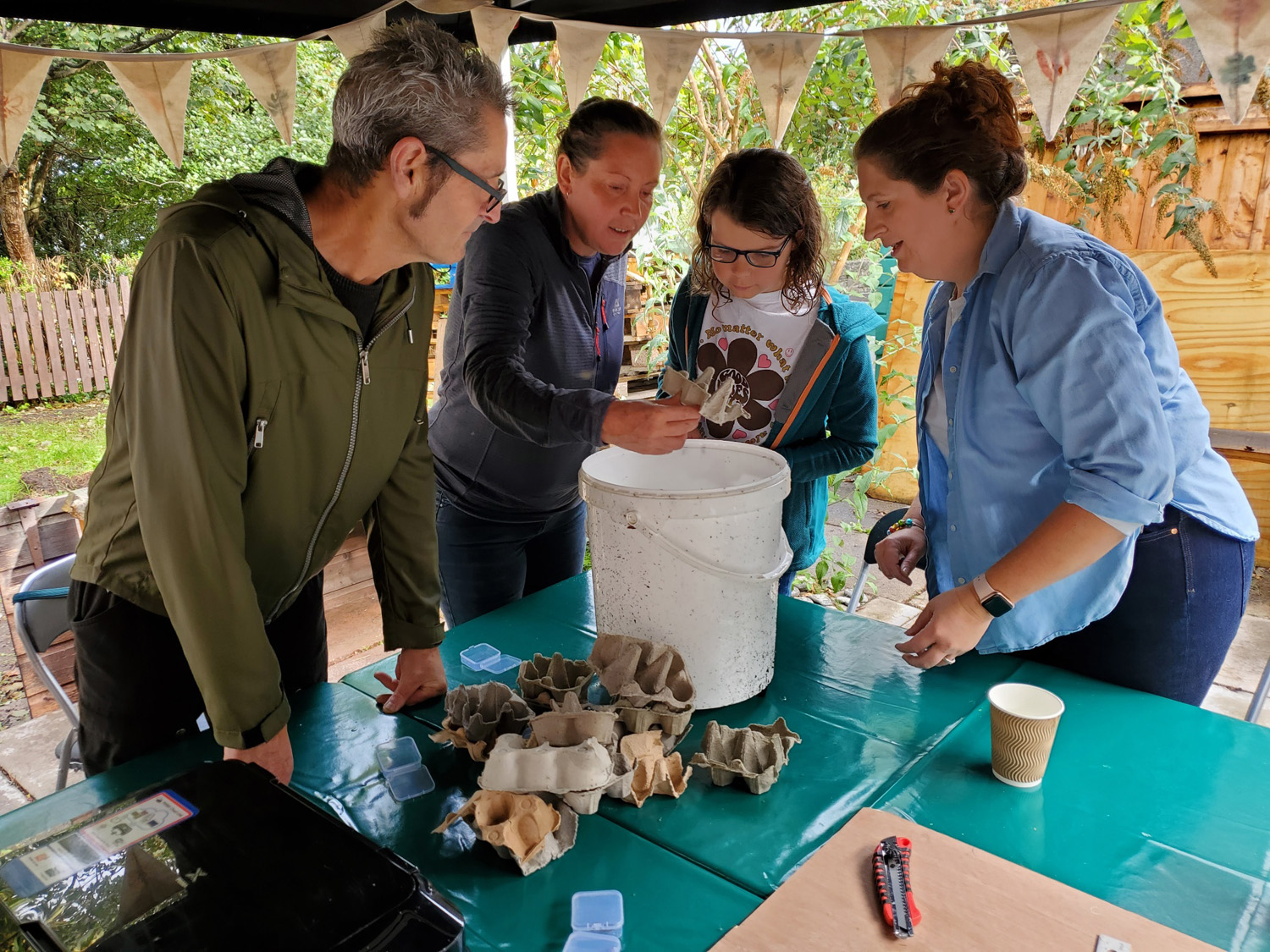
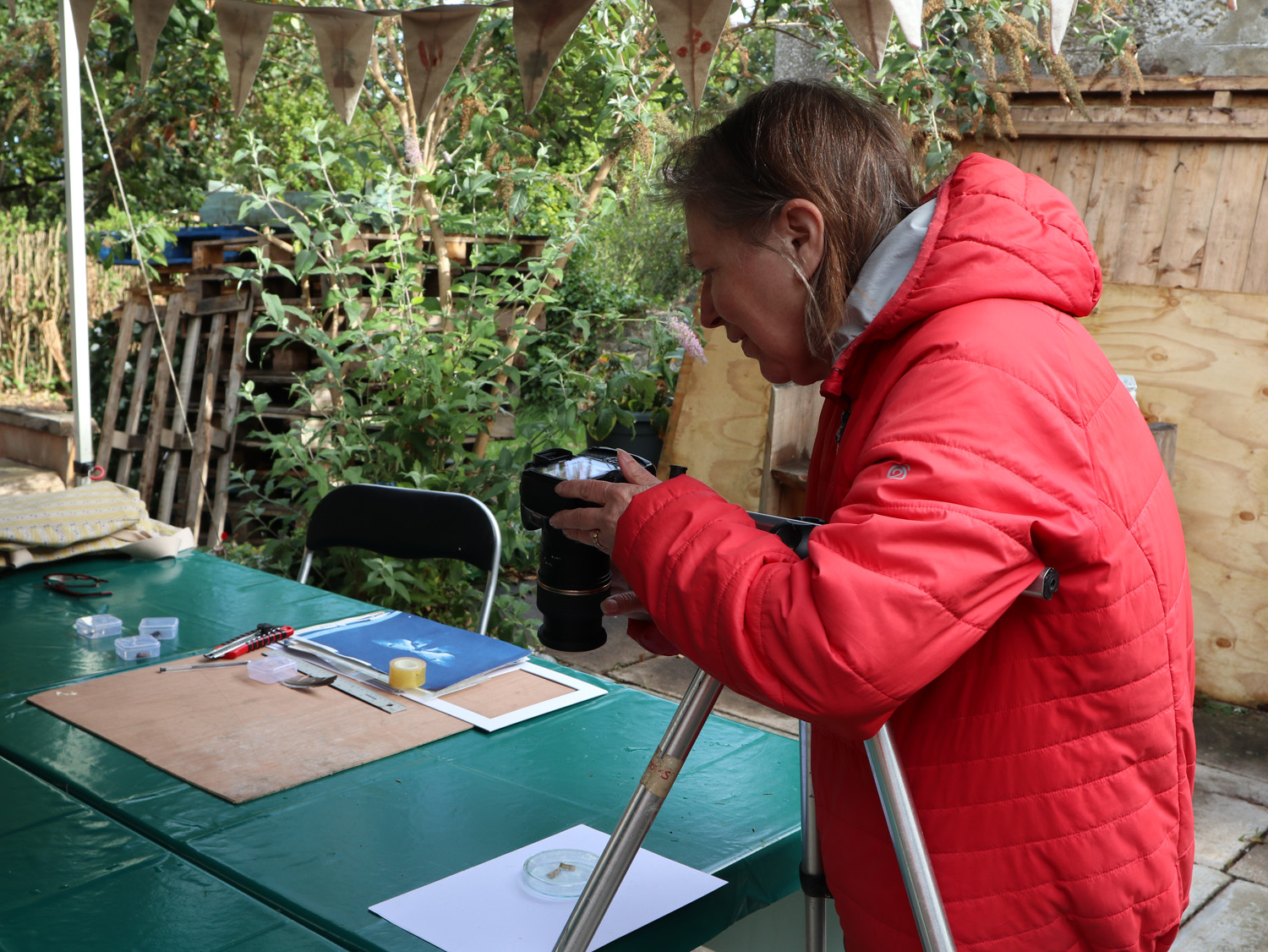
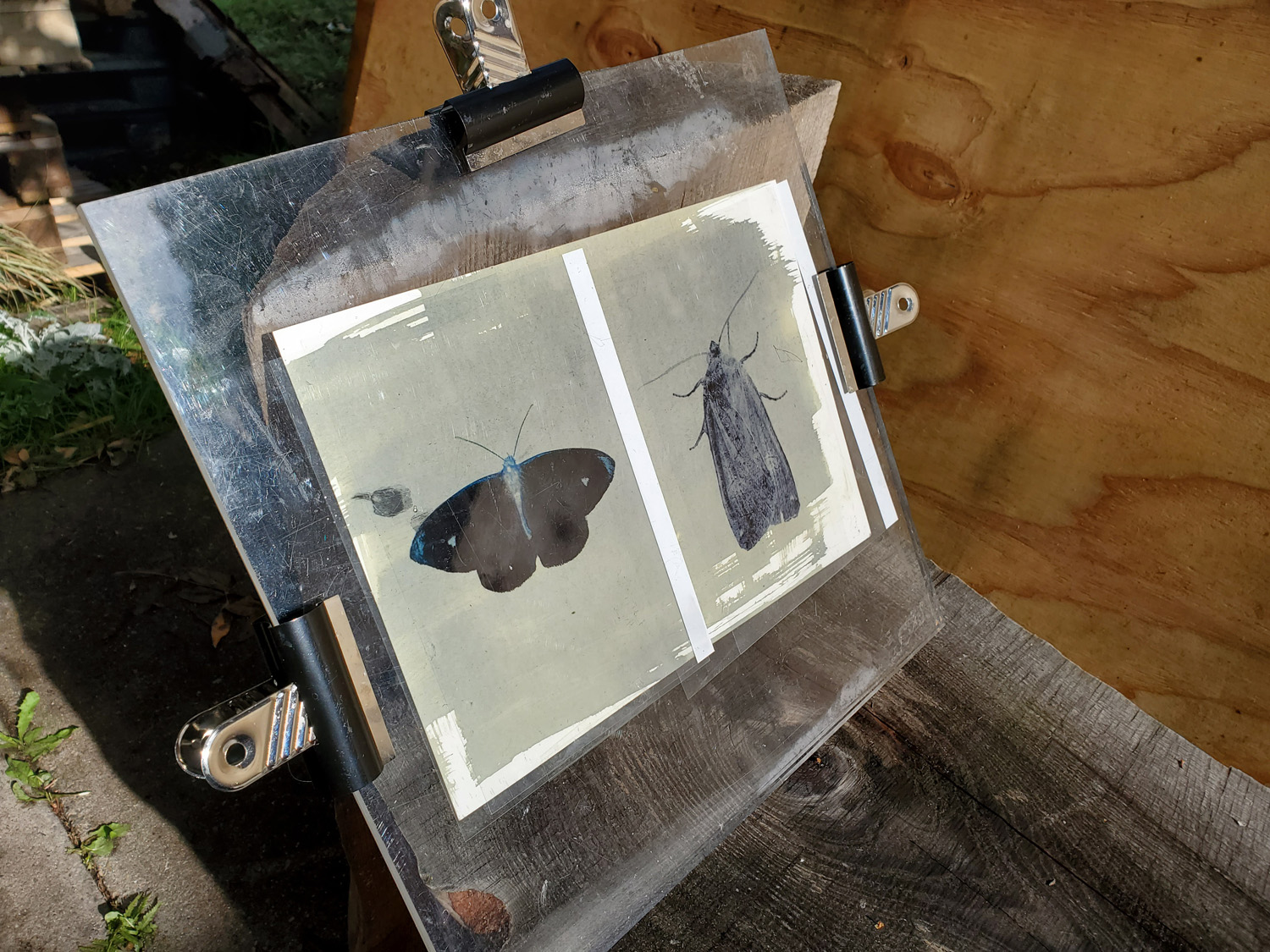

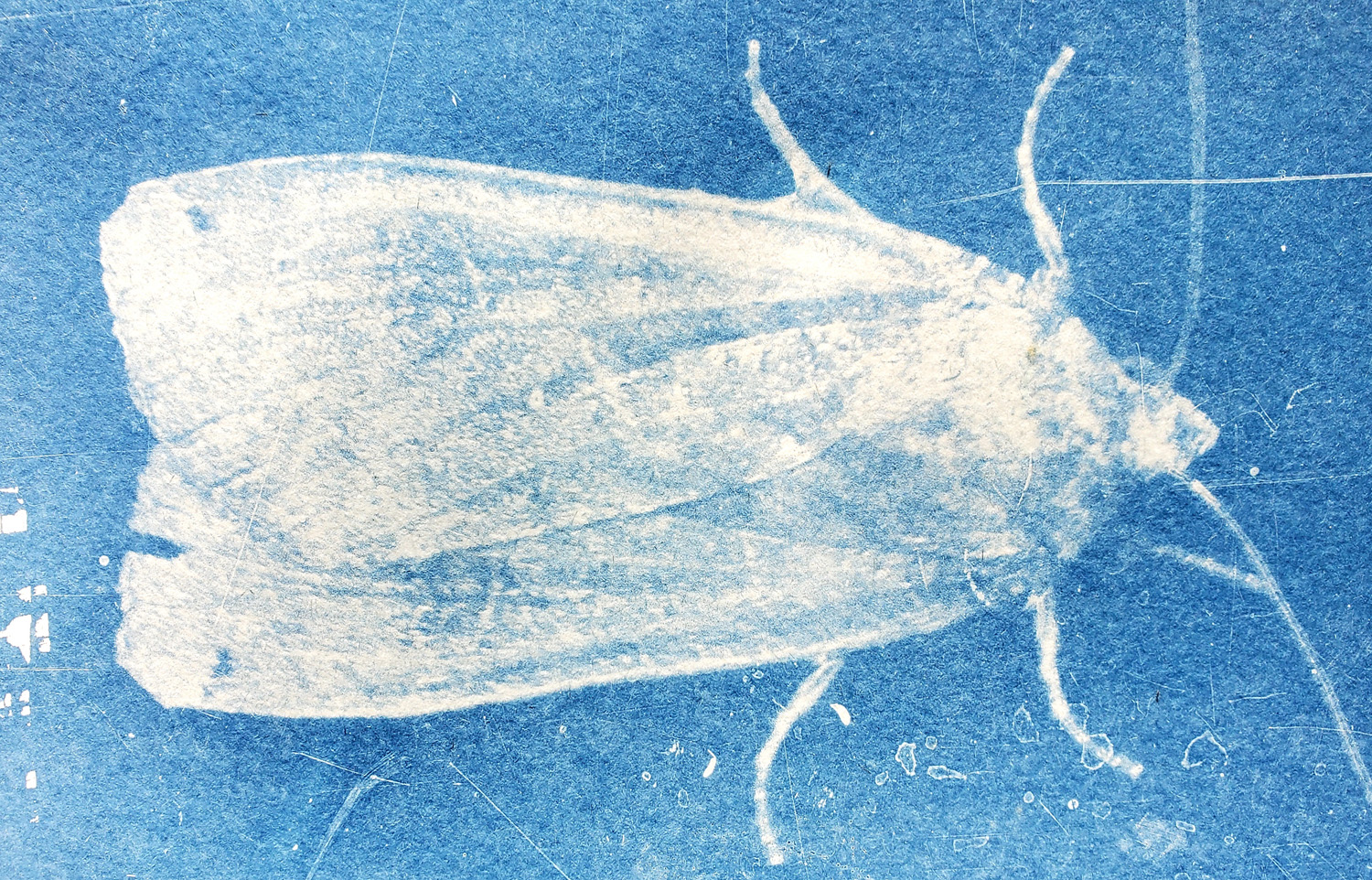
Notes: Above photos from sessions at The Hub. Process of moth cyanotypes: We borrowed a moth trap which we set up in the ‘wild wood’ at the bottom of the garden every evening. Each morning people came and helped us dismantle the trap to examine what we had caught. Participants took photographs of the moths before releasing them and then loaded the photos into a laptop to turn them into negatives which we printed out on transparent sheets. The resulting image was then used to make a Cyanotype print.
“We thoroughly enjoyed the cyanotype photography project, it was such an interactive session using the environment around us to make a beautiful picture. The artists who were on hand to help us with the project were so welcoming and friendly we felt at ease instantly”
Coastal Creations: working with adults with additional needs
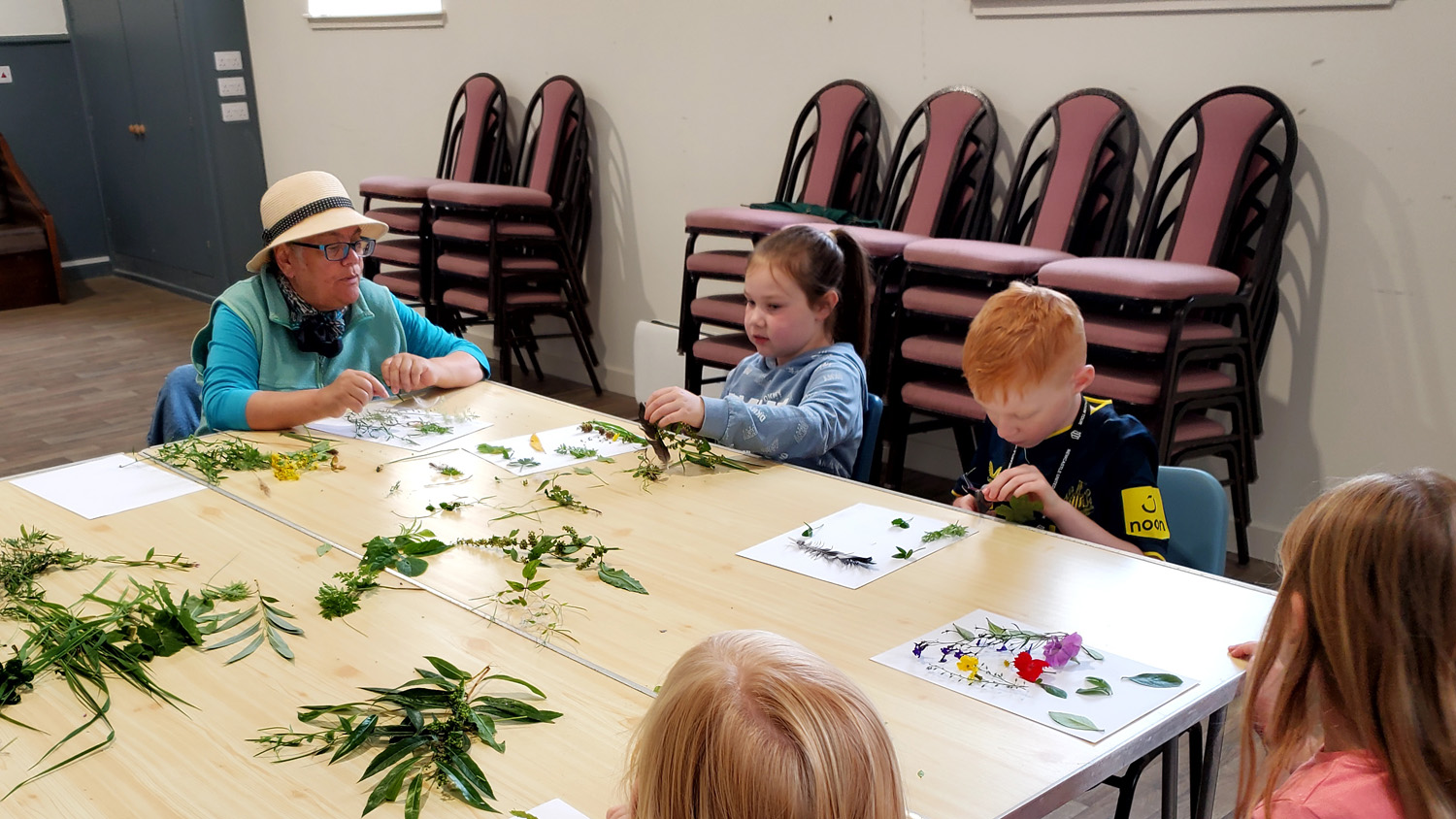
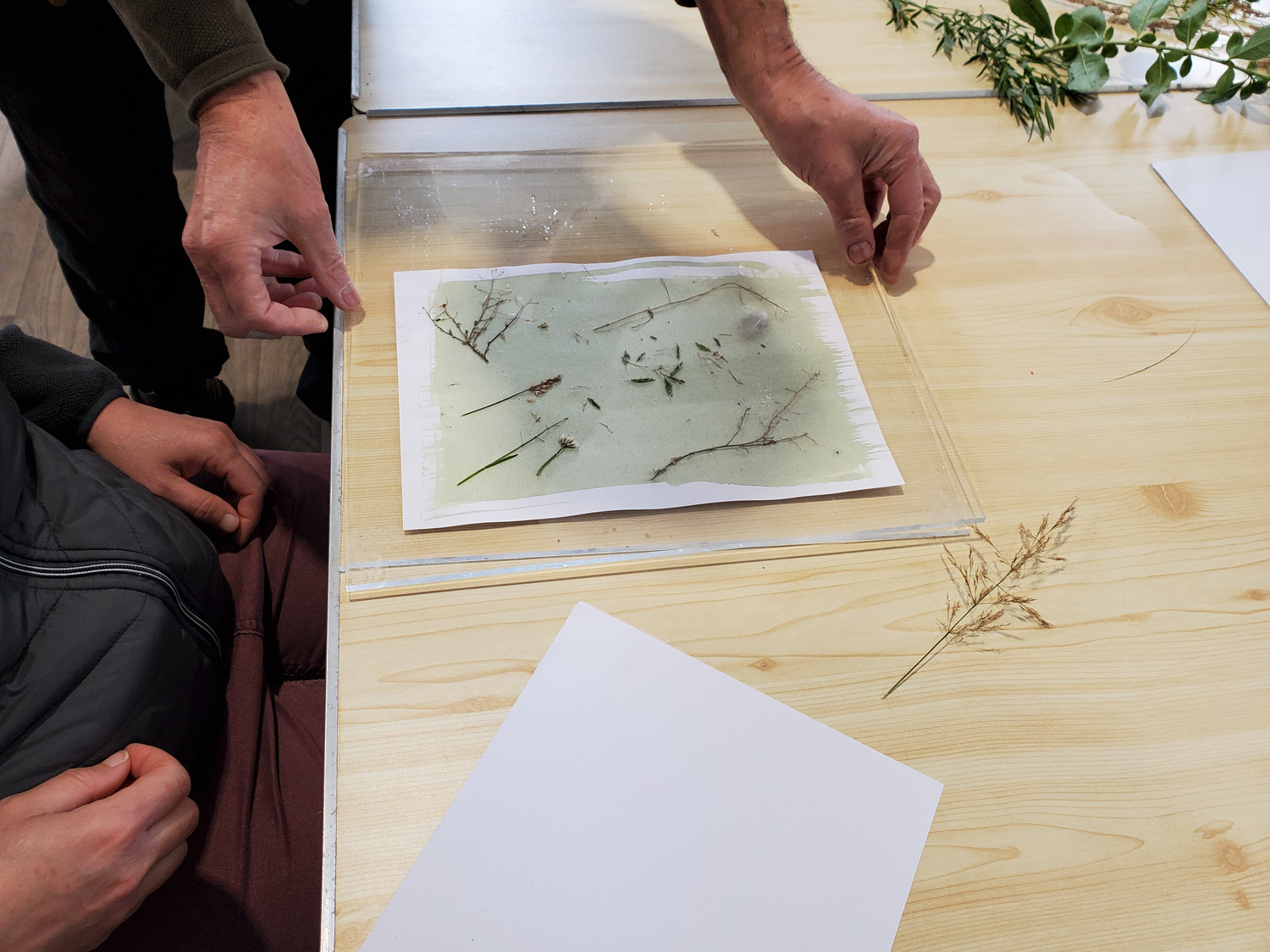
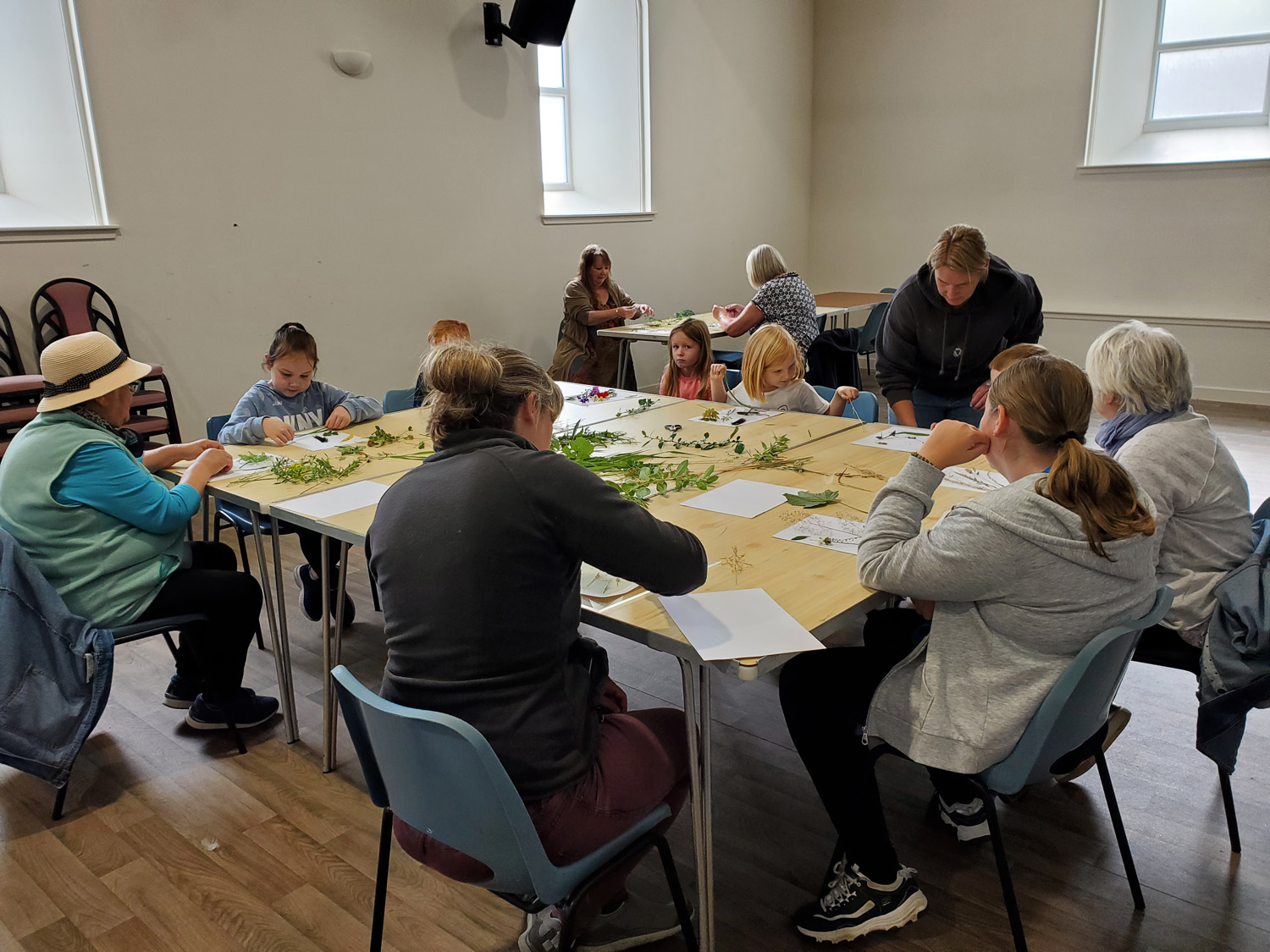
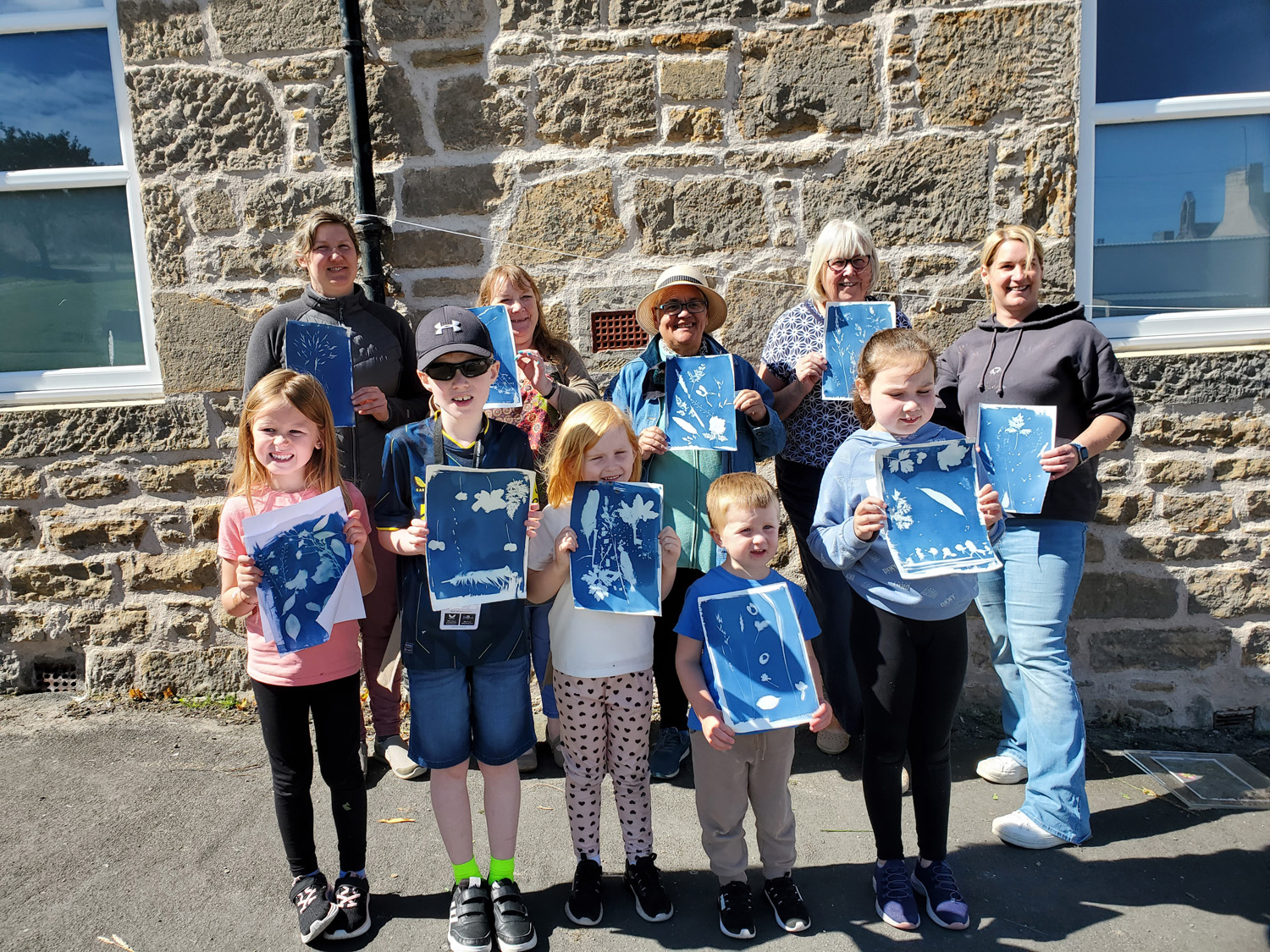
Above: Additional Cyanotype outreach workshop for Port Gordon Community Trust
Turning a phone into a microscope:



Botanical Stones
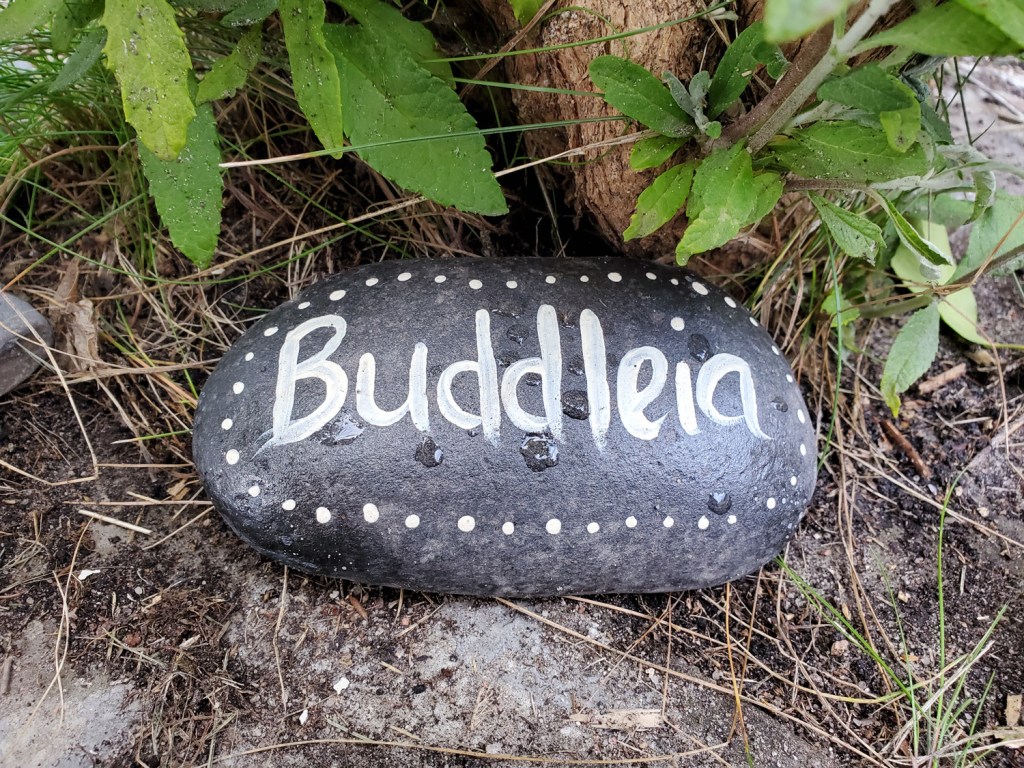
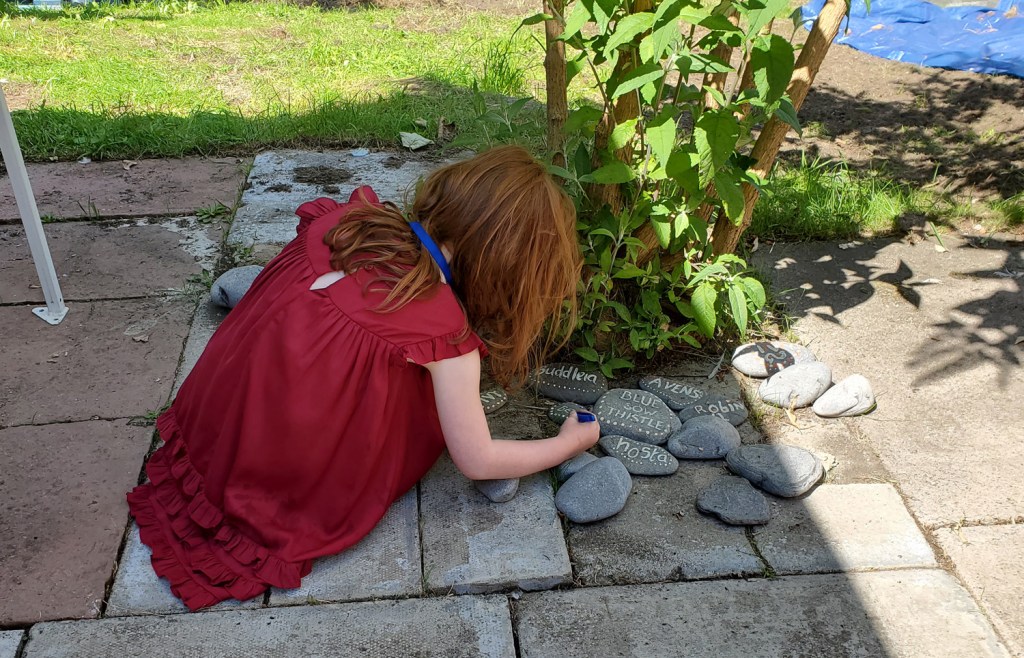
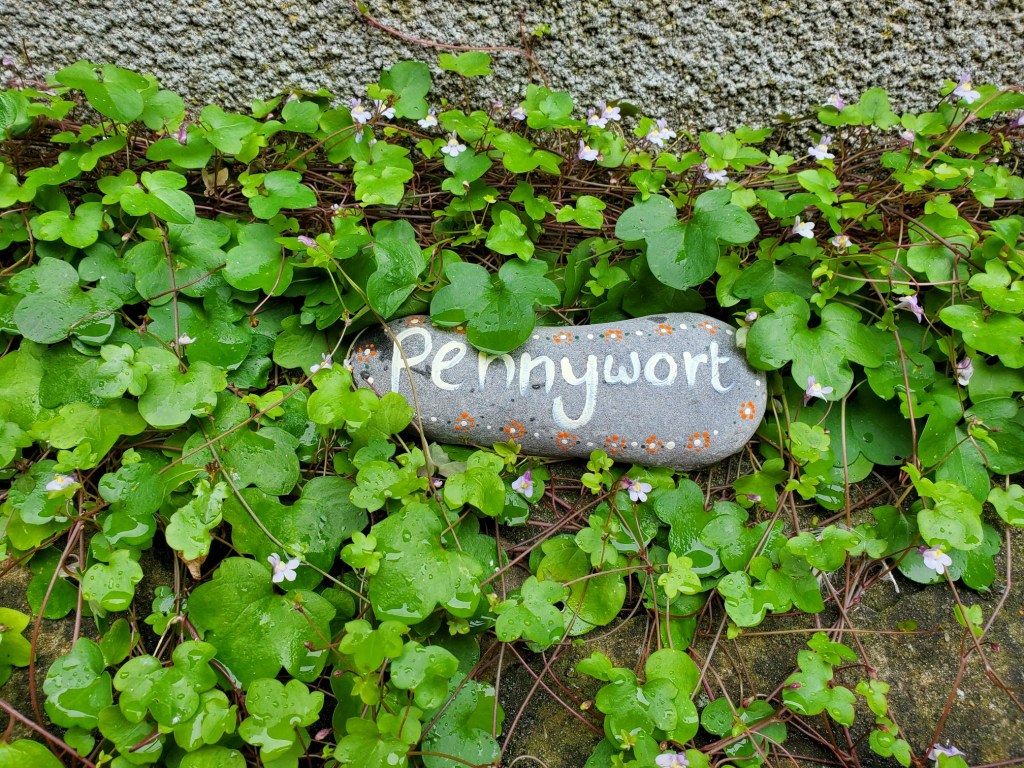
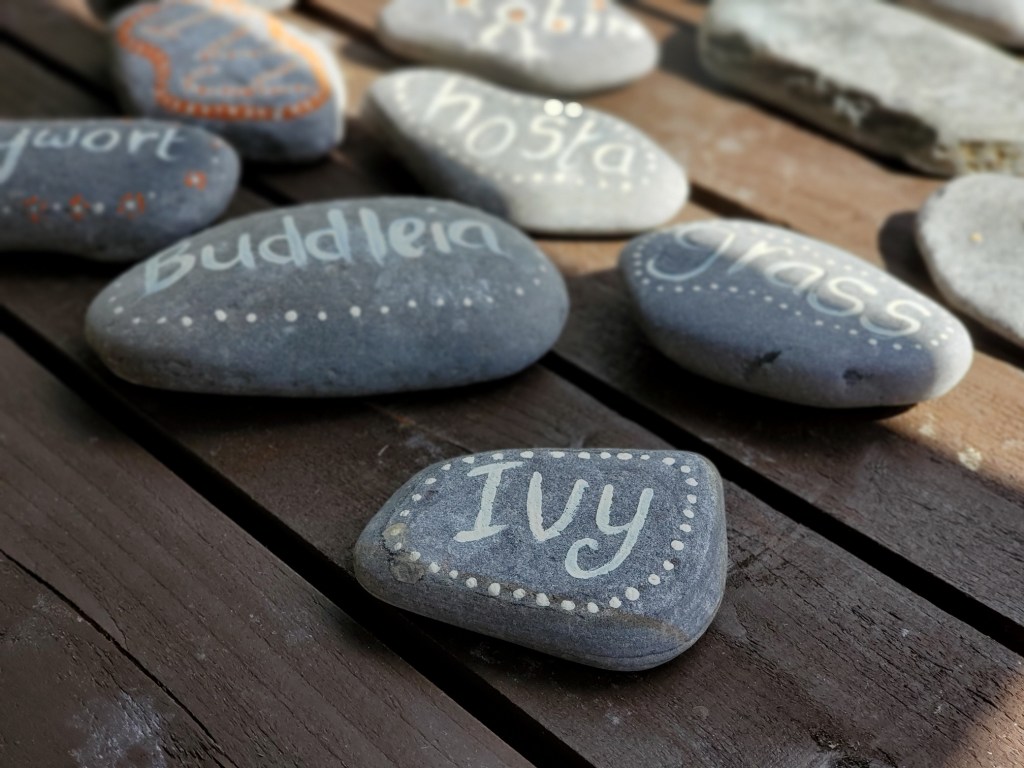
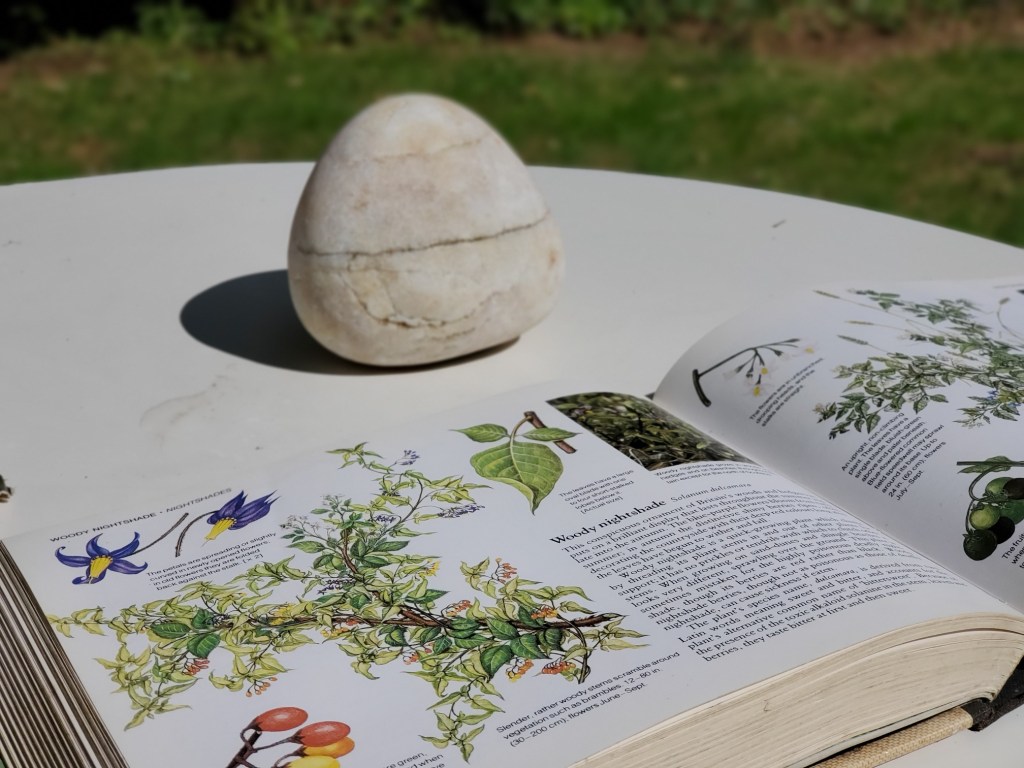


Notes. Participants identified a plant or animal in the garden and painted a stone to be left as a plant identifier and garden enhancer.
“A key aspect of the residency was focussing on using our natural environment for inspiration, and natural materials for the practical activities. The resultant bee hotels, willow bird feeders and cyanotype prints were all much admired. The relaxed pace of the activities, and outdoor location, gave participants time to recharge their batteries and relax from the stresses of everyday life. The Hub volunteers and customers who participated directly or as support crew covered a wide age range, and came from a variety of backgrounds, including ex-offenders, some battling with drug or alcohol issues, others dealing with mental health or physical health difficulties“
Hub Commitee menber
Further work:
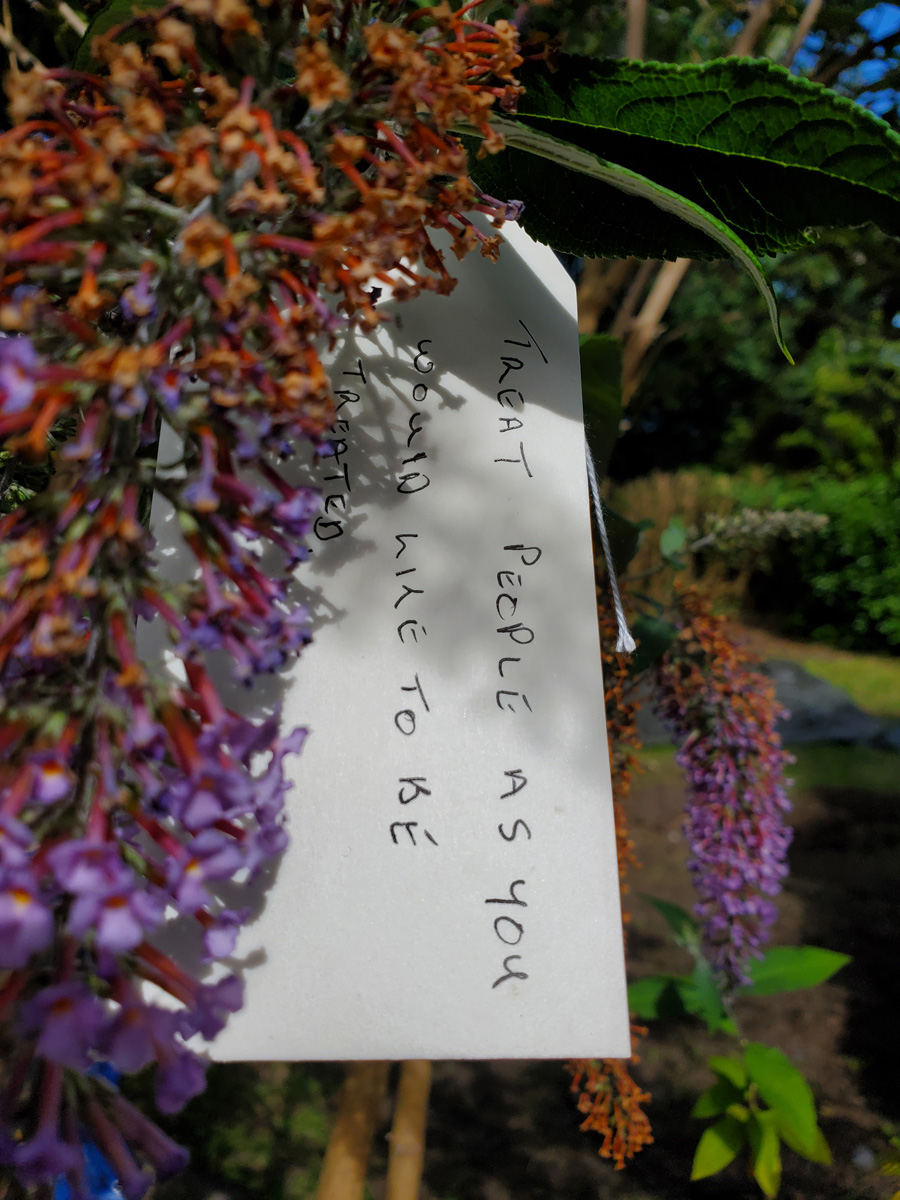
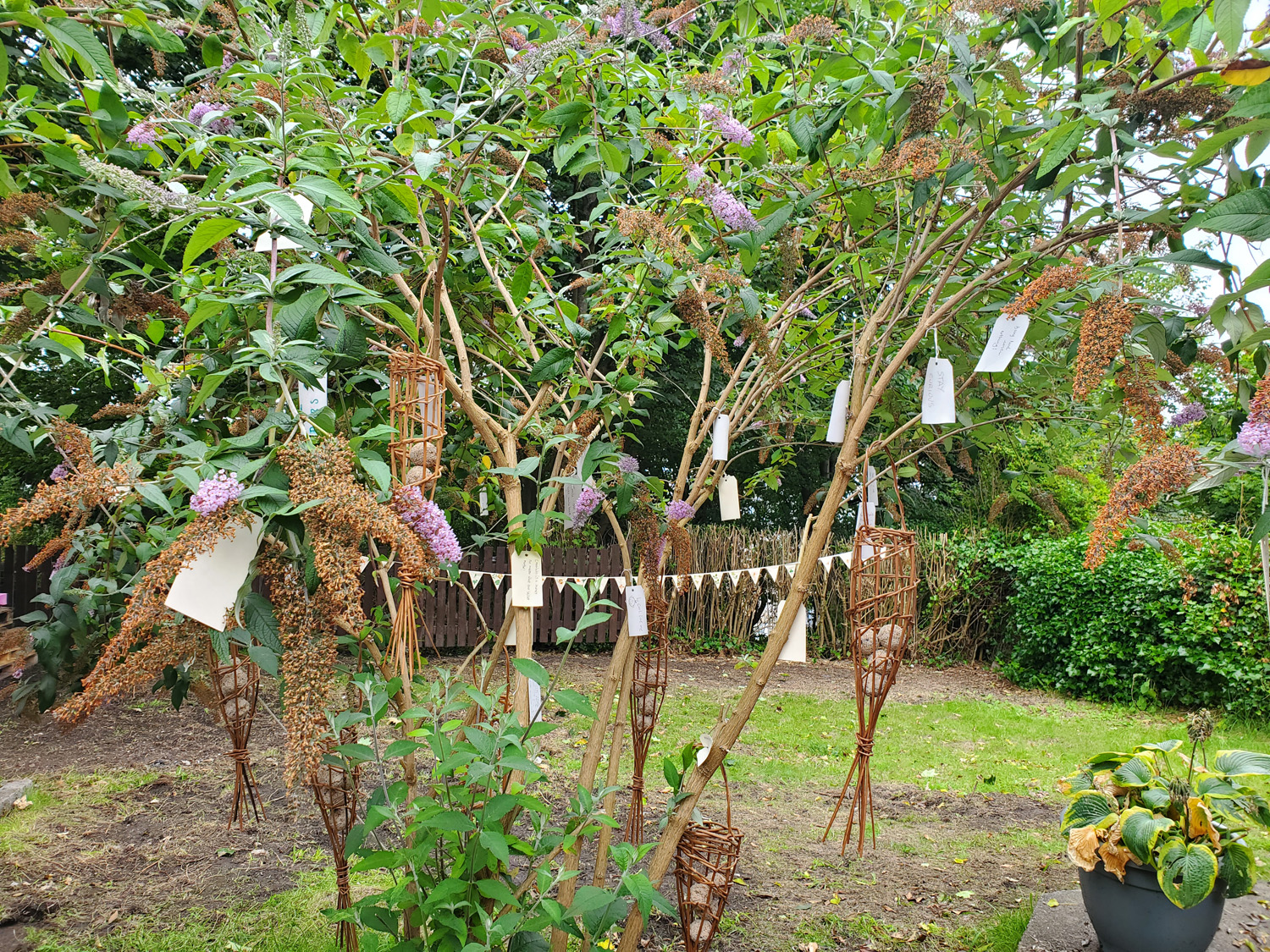
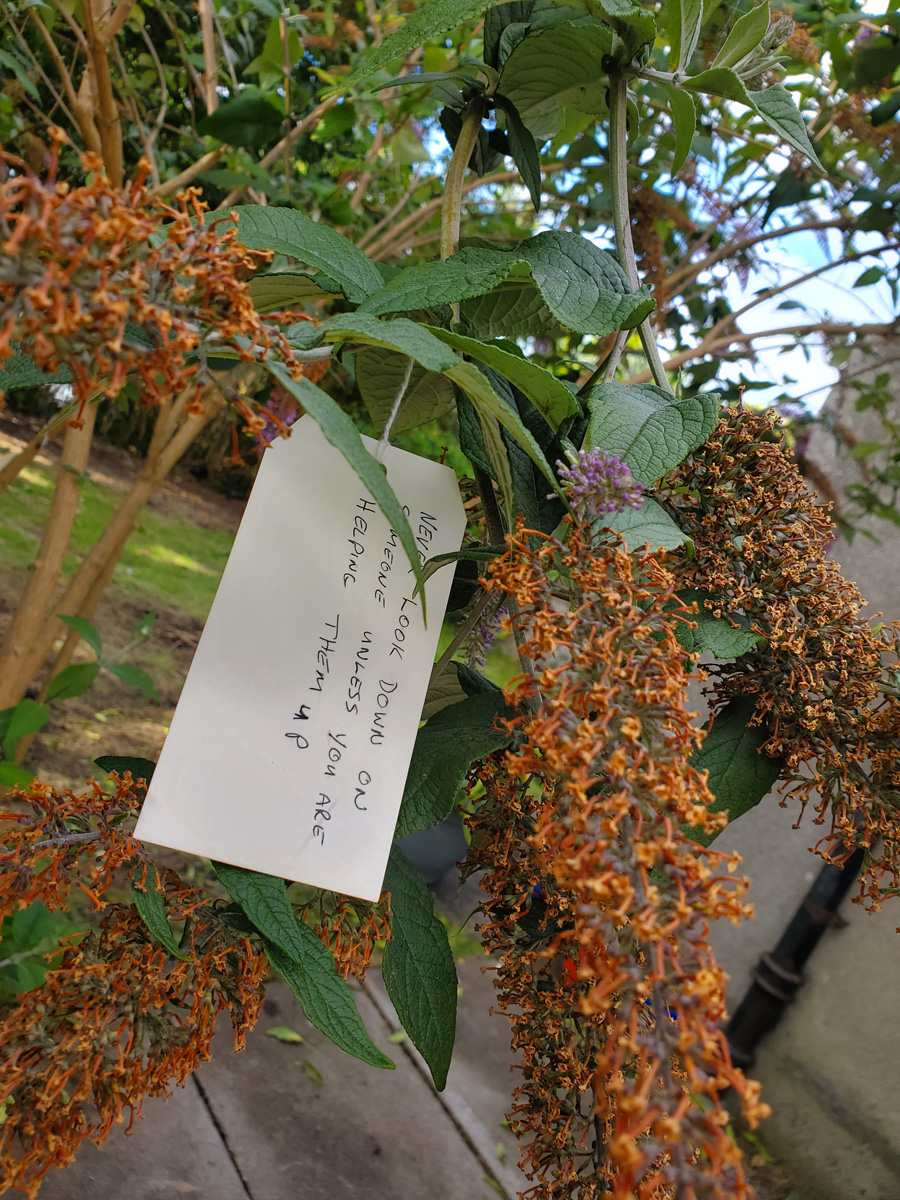
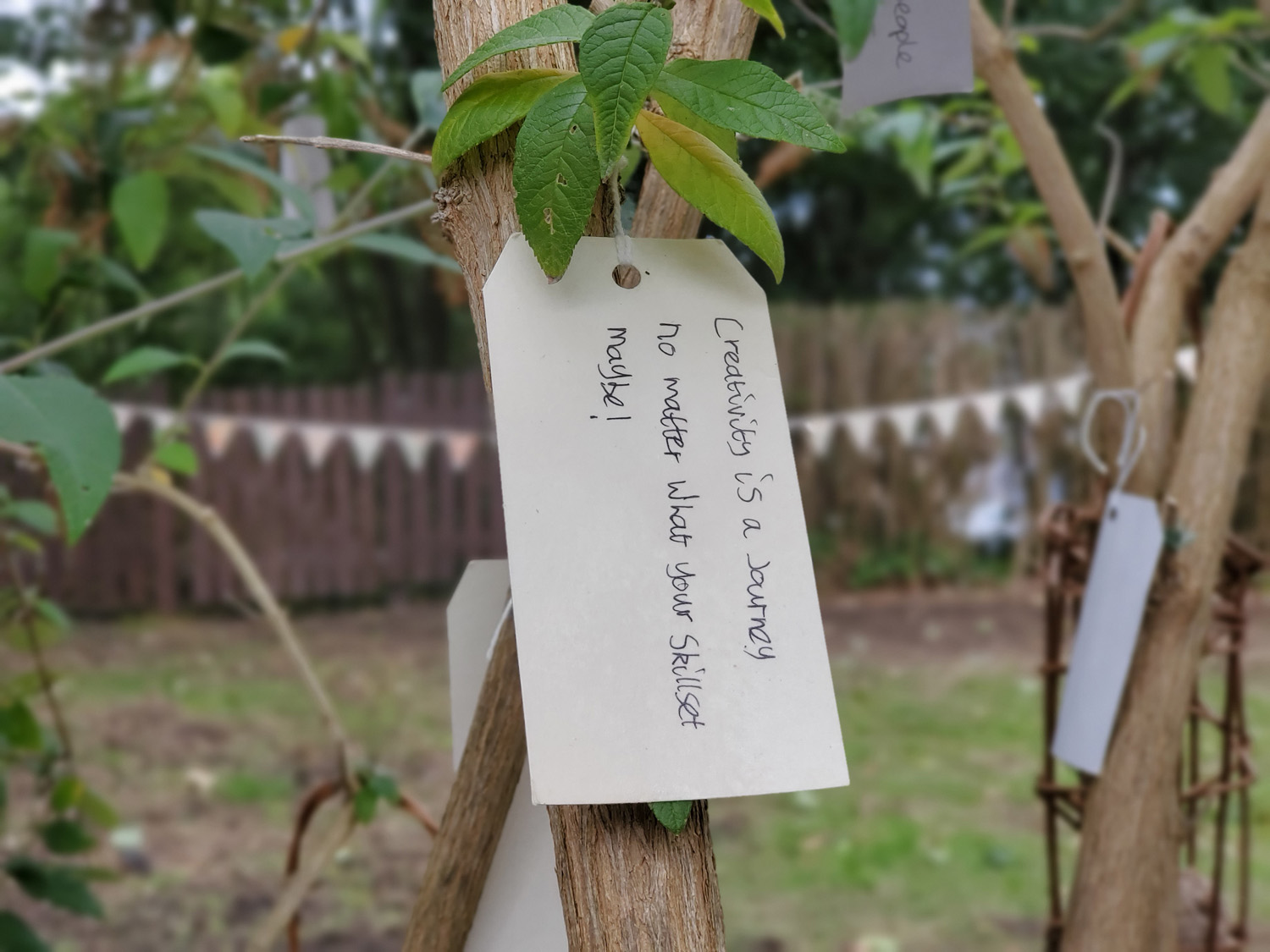
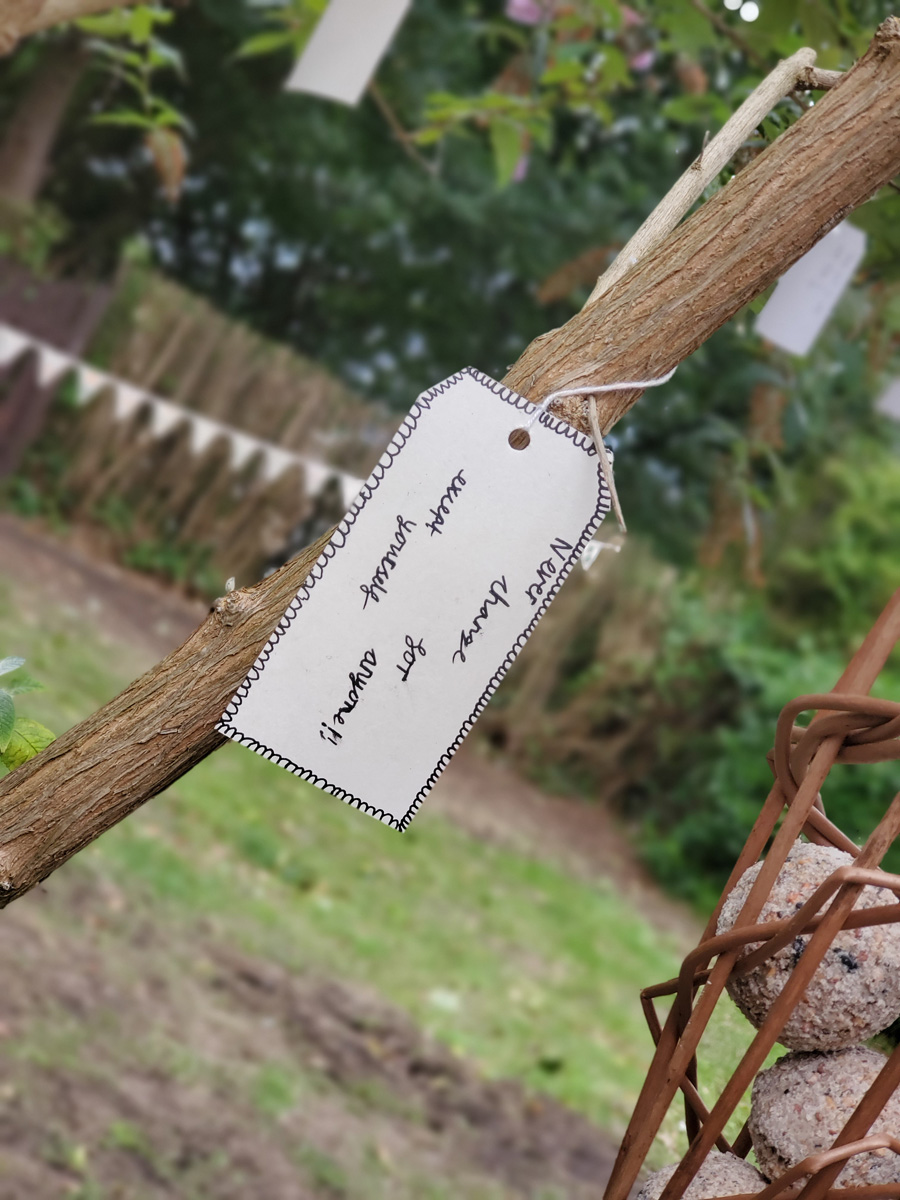
In conversation about the Hub, Kevin had given us a couple of choice quotes from his father that had helped him create an ethos for life, so we decided to ask visitors for the best advice they had been given, to ask them to write this on a paper tag and attach to the beautiful buddleia tree in the garden. As more and more tags were added, the tree became great installation for people to explore.
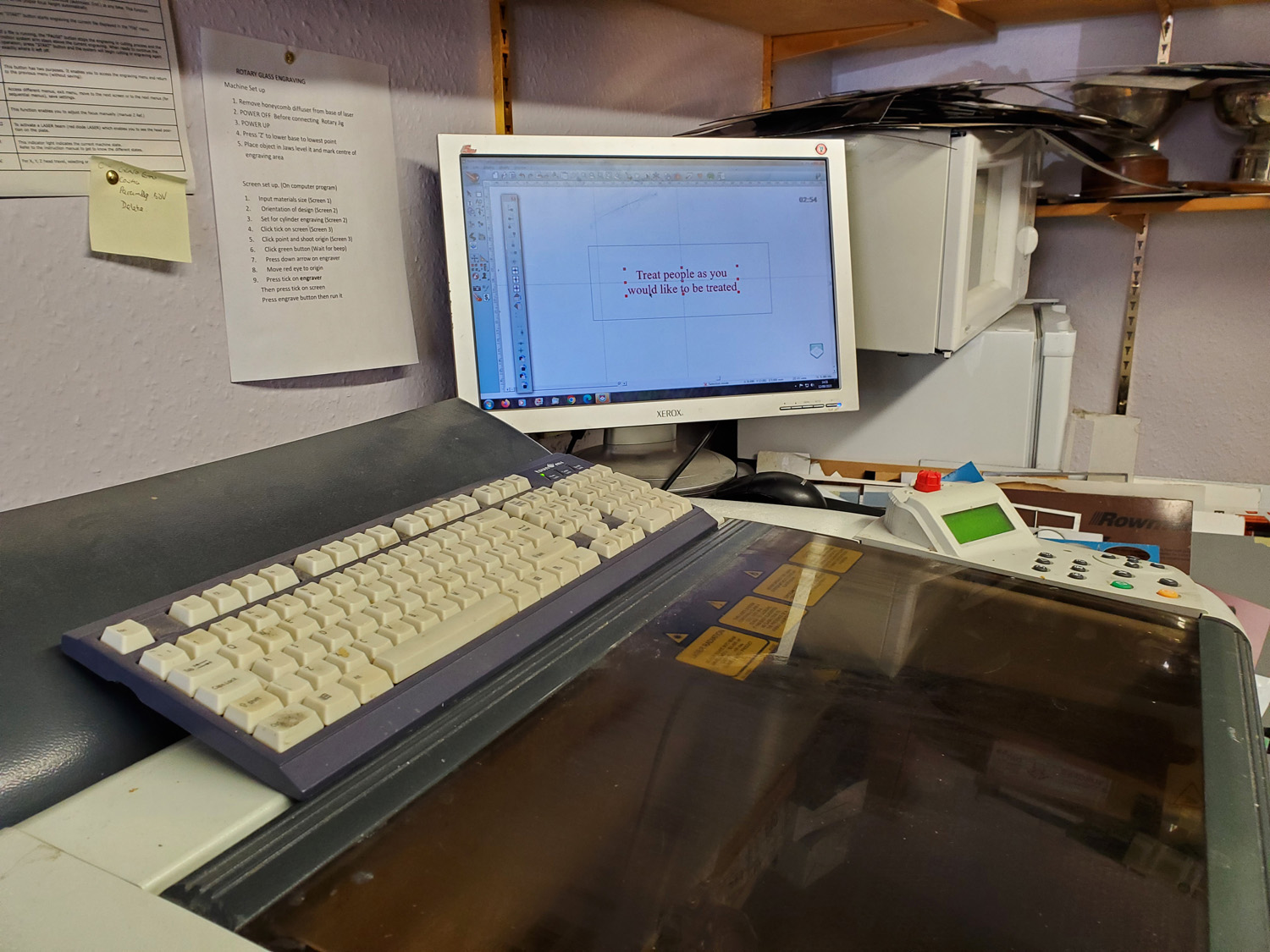
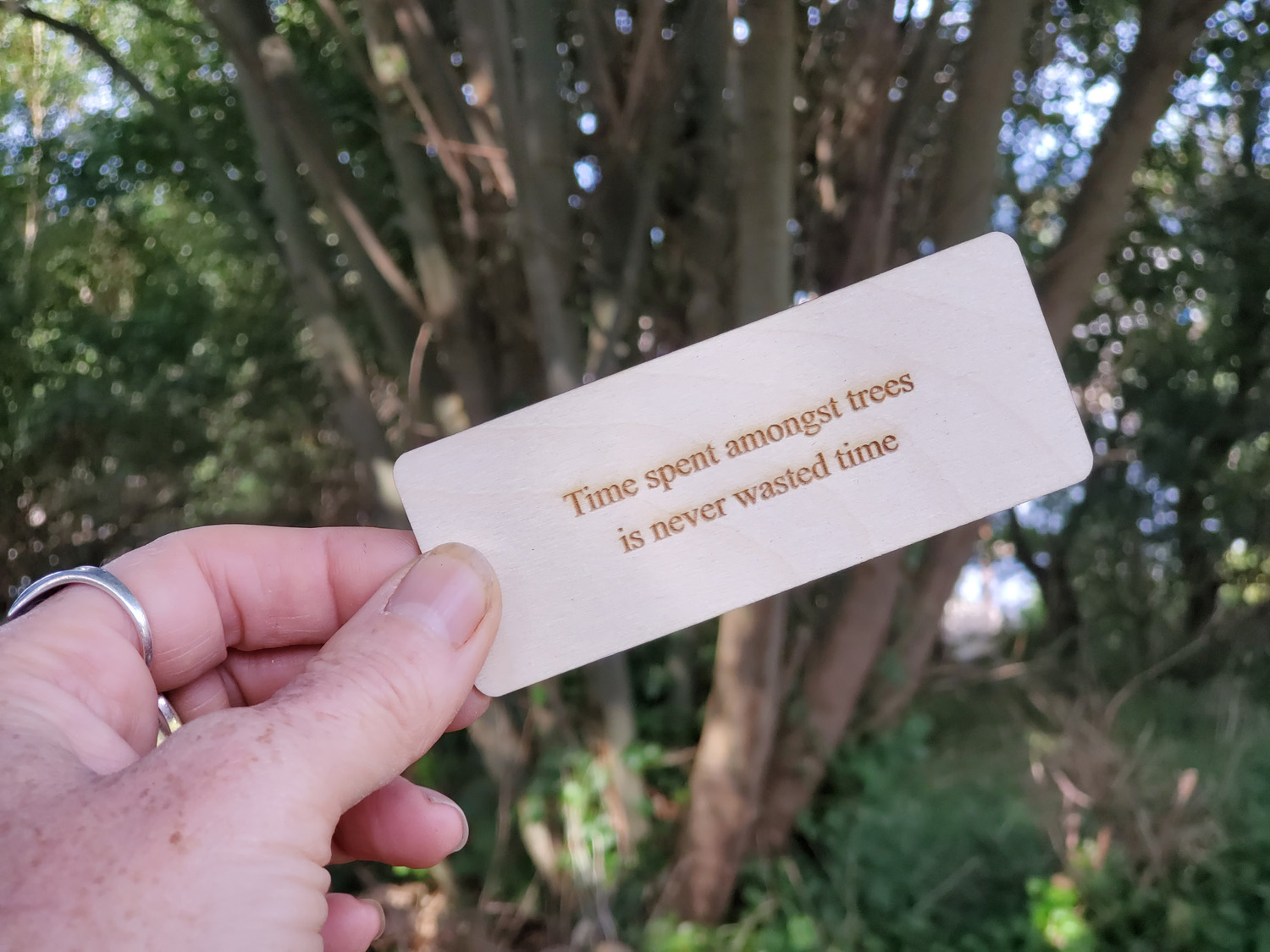
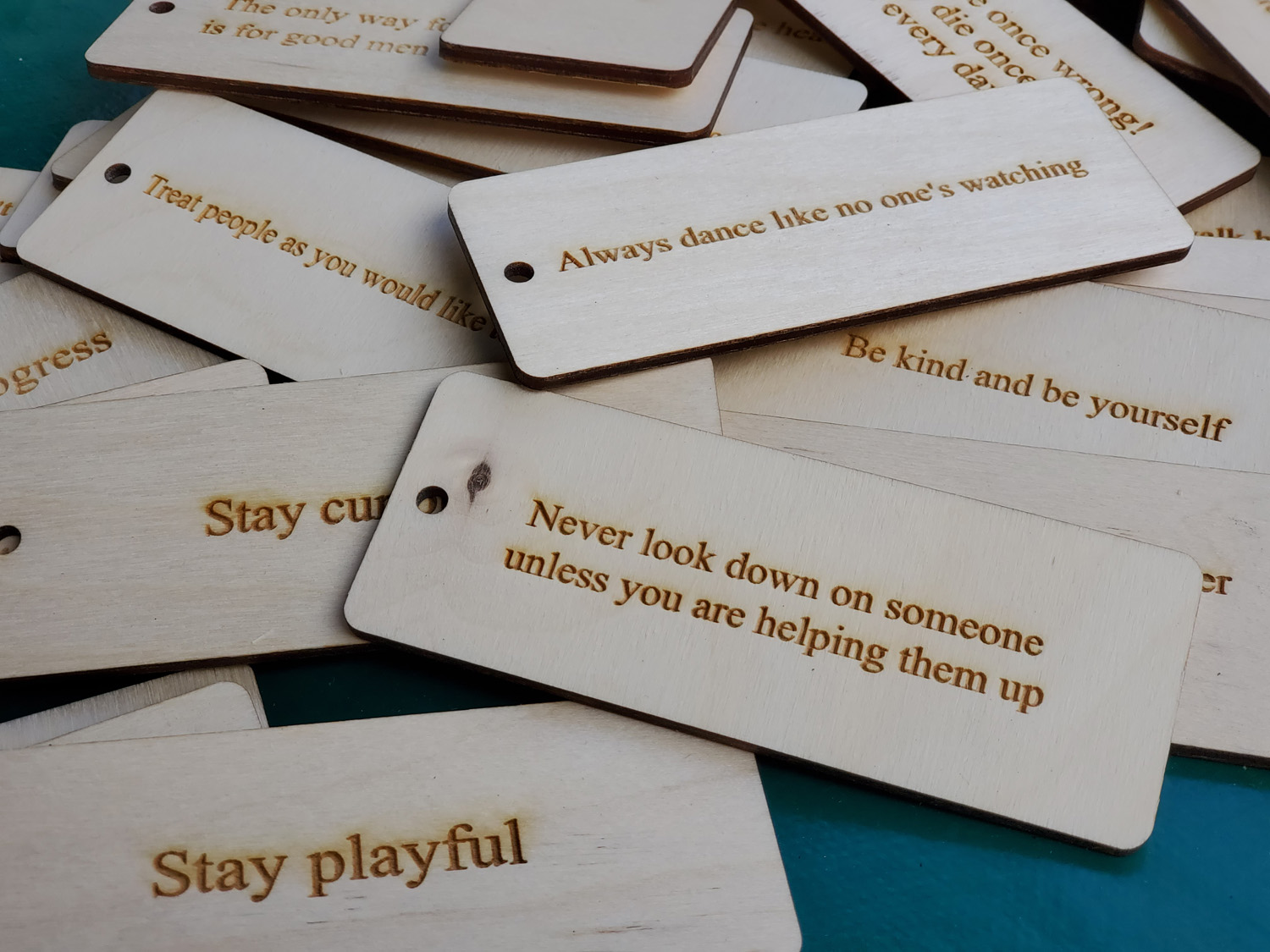
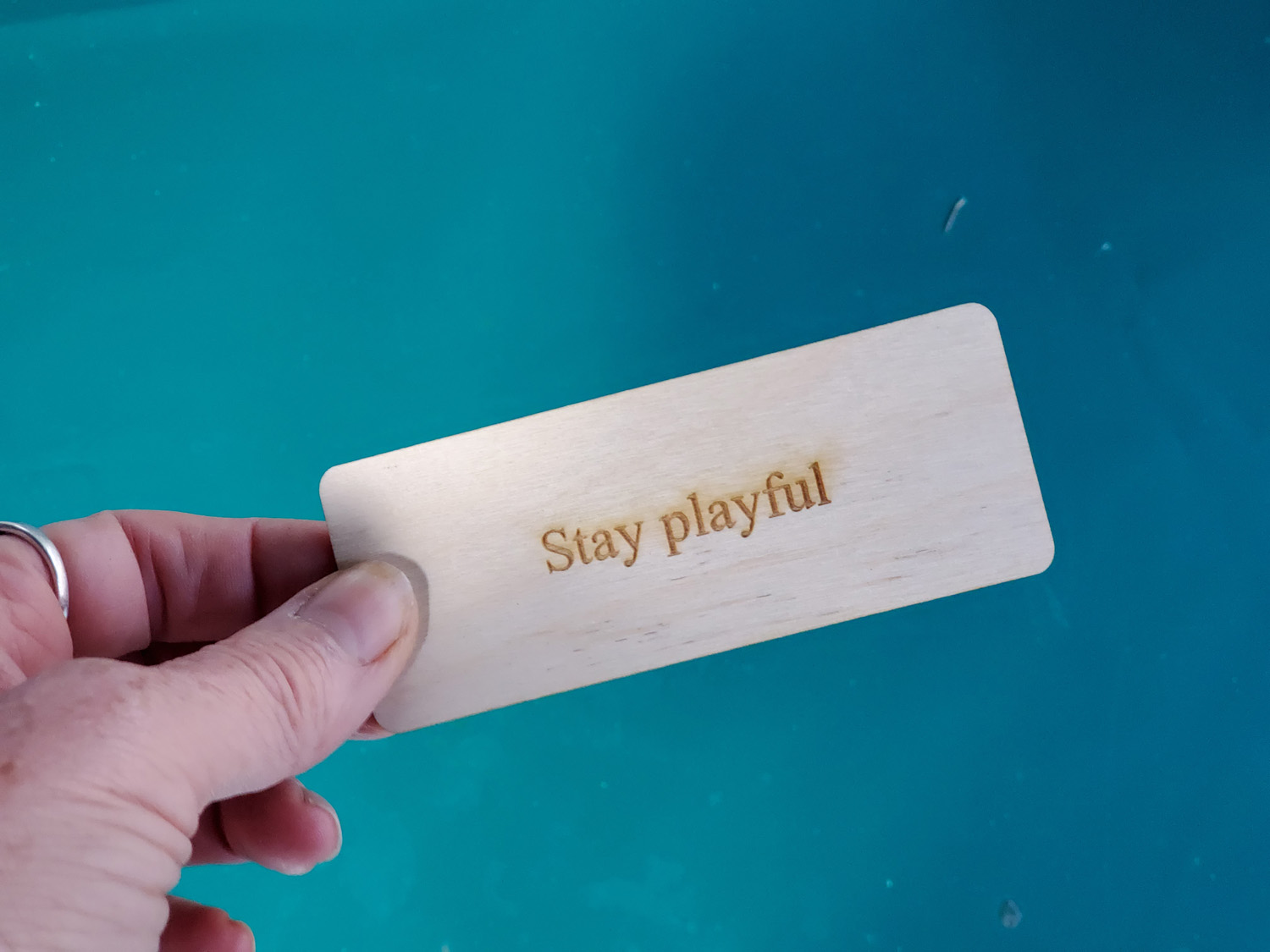
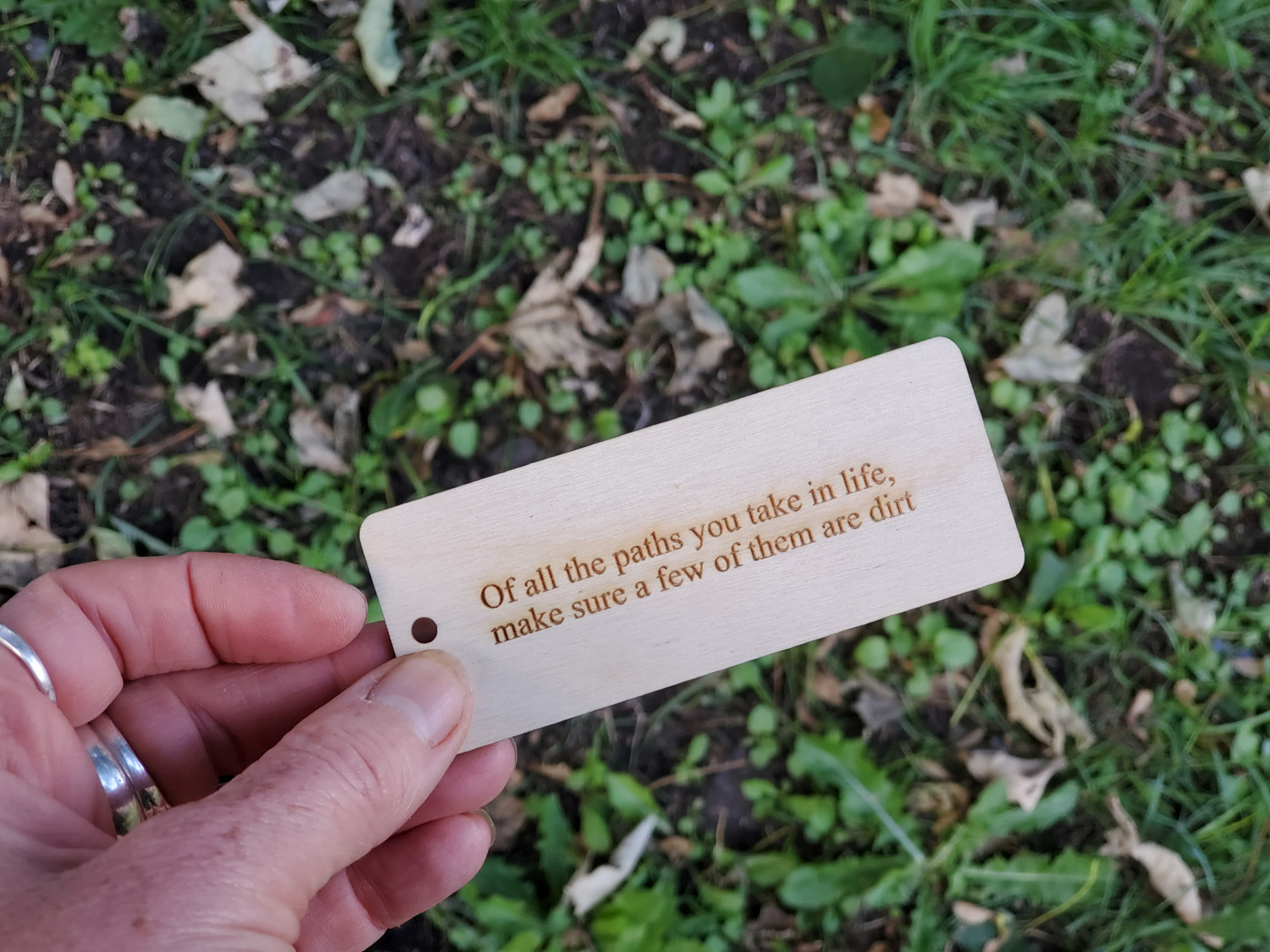
We wanted to leave something more permanent for the garden so we had all the words of advice collected at our first visit laser printed onto wooden tags by local engraver Steve (who secretly added an additional tag with his own advice) These were left with the Hub to be incorporated in the garden together with plant identifier painted stones, willow bird feeders and the nature inspired bunting.
Wisdom Tree:

‘Rogues Gallery’
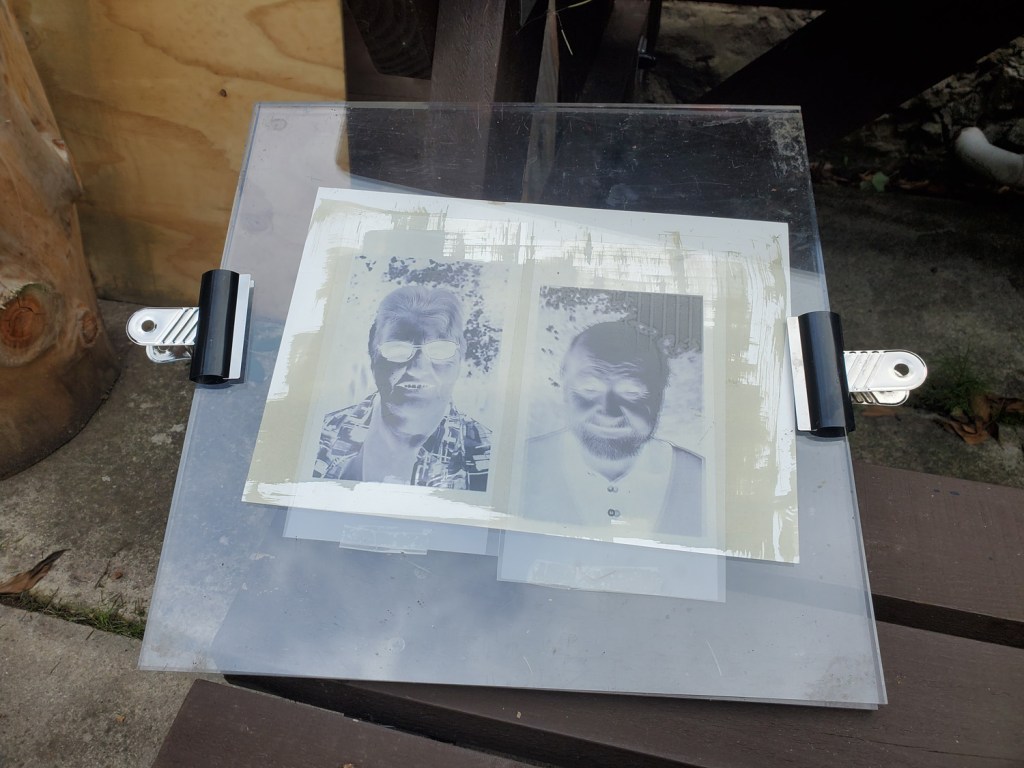
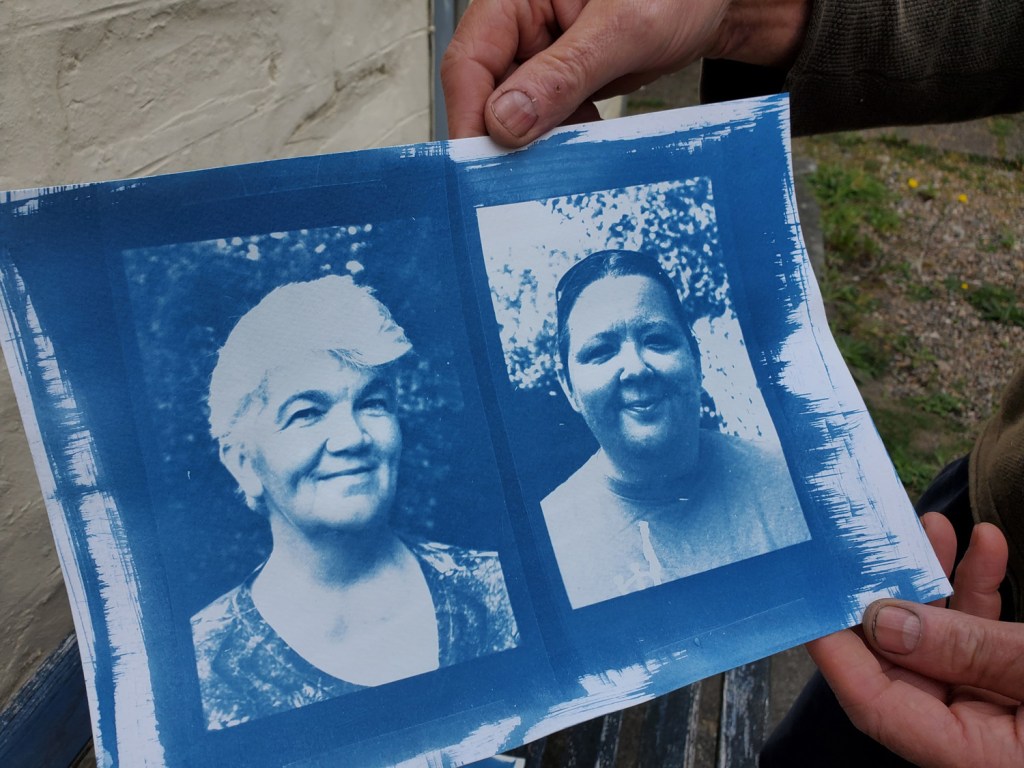
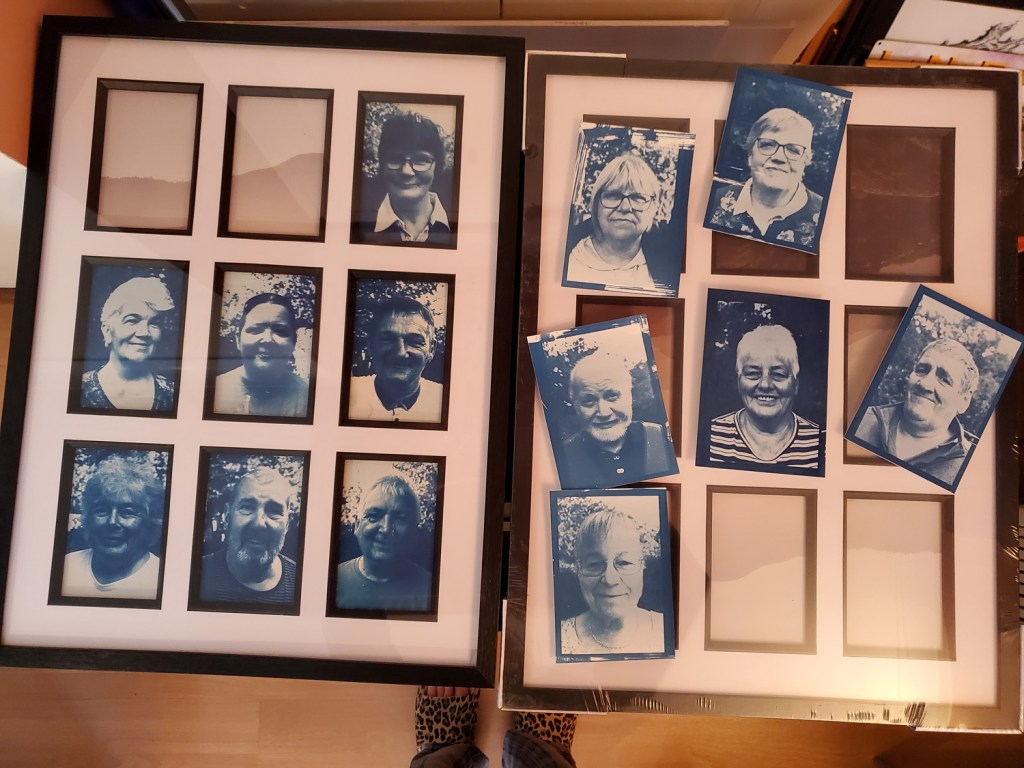
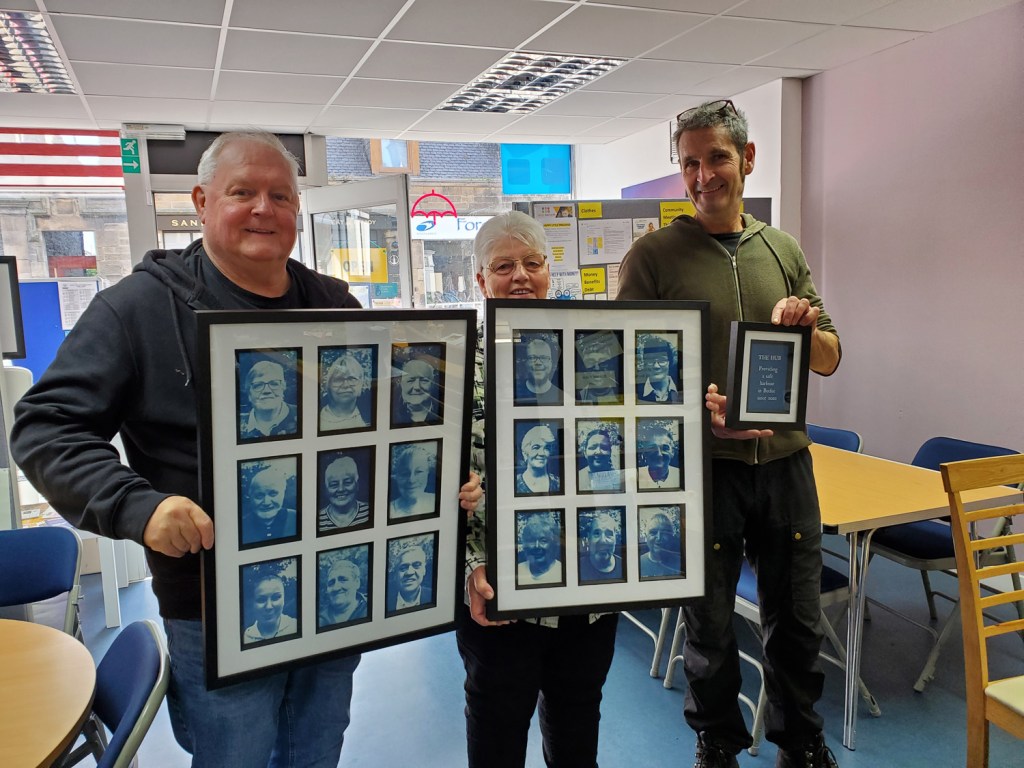
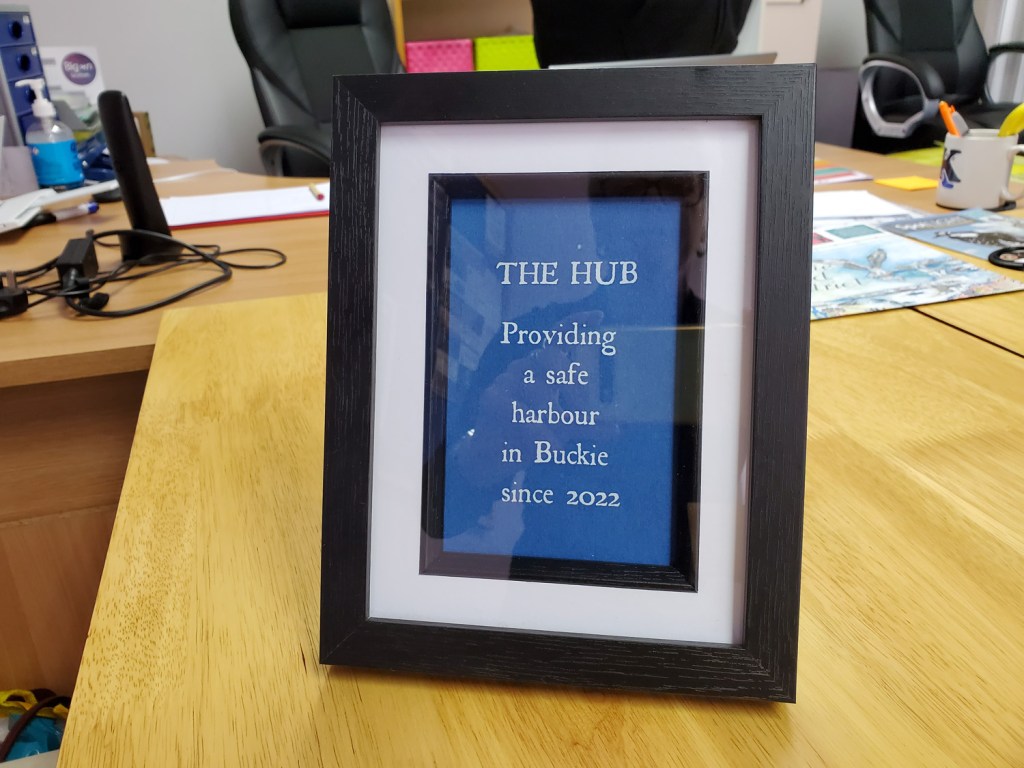
One of the continuing conversations we were having between us while we were at the Hub, was what else we would do that went beyond our workshops and what would that be? Over our residency period at The Hub we were really impressed with how the volunteers worked together and the wide variety of life experiences they have and use in their contacts with visitors to the Hub. Whatever problem someone walks in with, someone among the volunteers had experience and wisdom from their own lived experience to support them. We realised that we wanted to mark this in some way so we set up a garden photographic studio and began to take portraits of the volunteers. We then treated these images in the same way as we had the moths; turned them into negatives and then printed them using the Cyanotype process. The result was a series of powerful portraits which we framed and gave to the Hub as a way of thanking them for working with us so generously and was a way for us to extend the sense of respect we had for them and the work they do.
‘Rogues Gallery’:
The Really Secret Garden
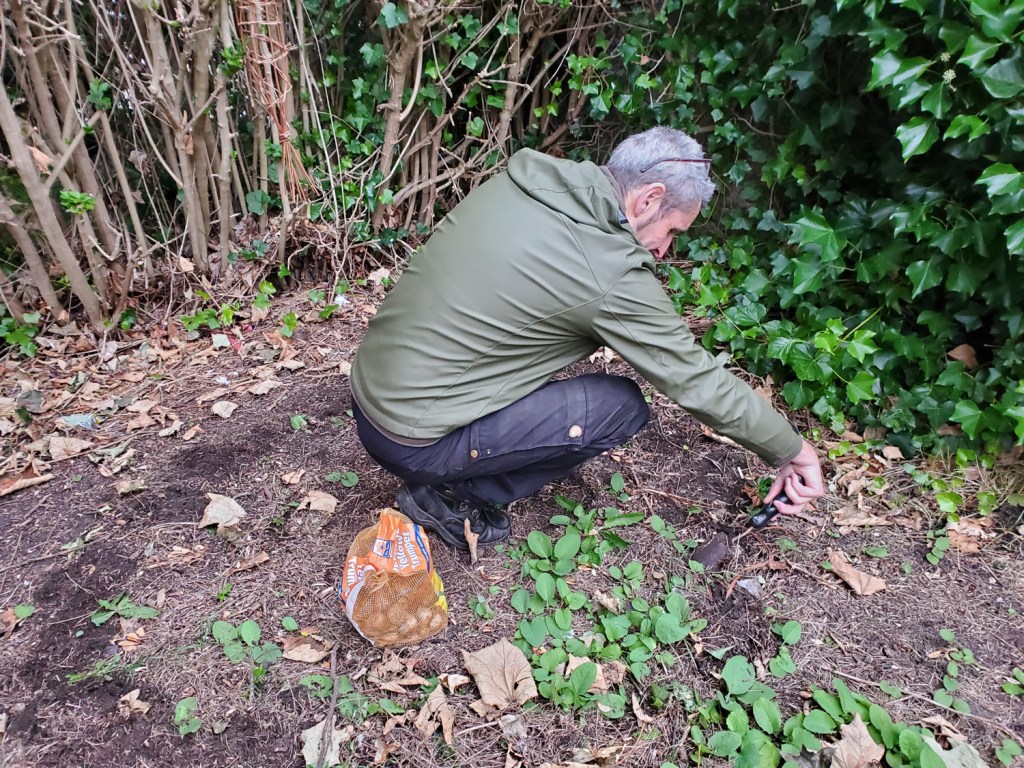
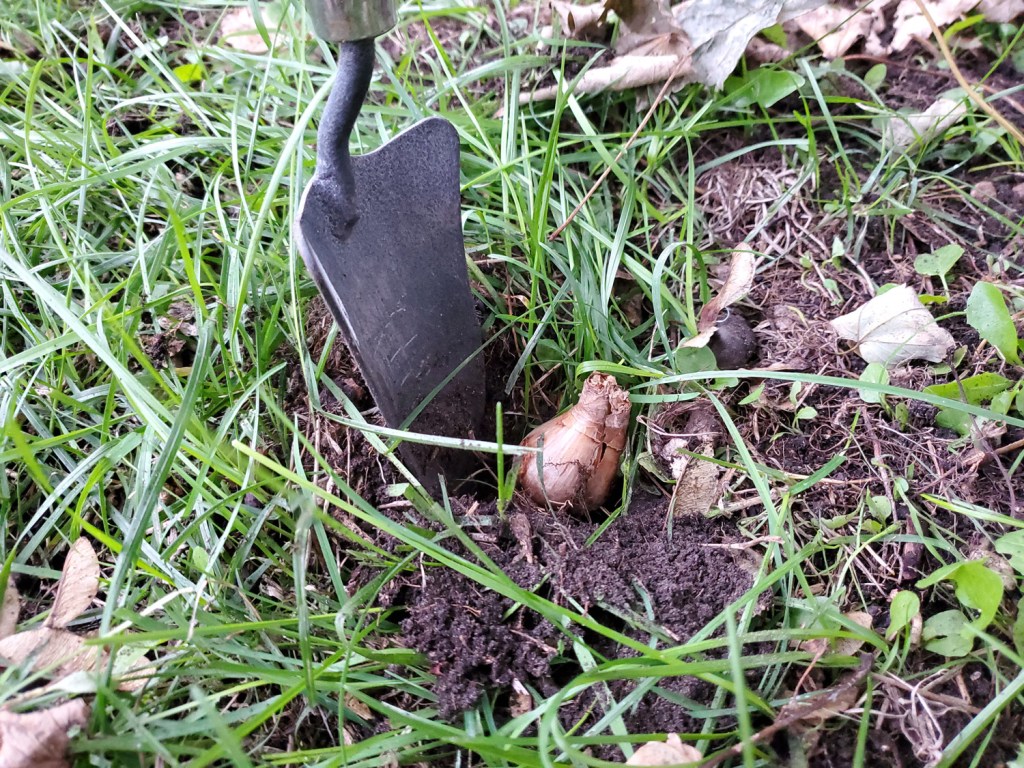
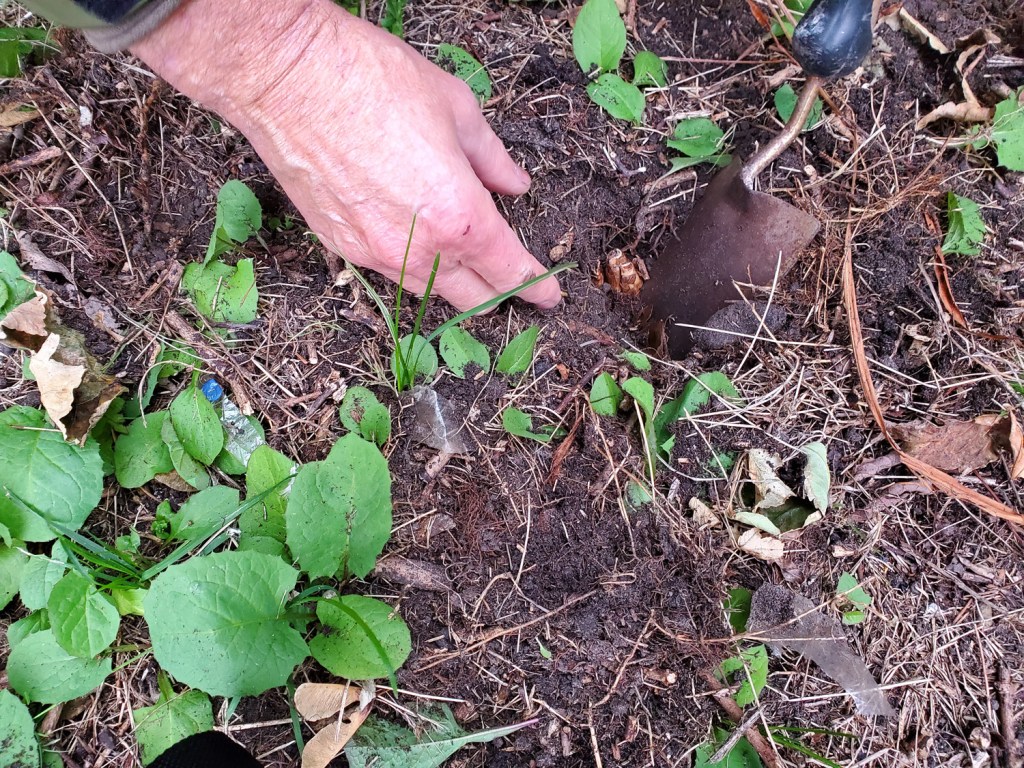
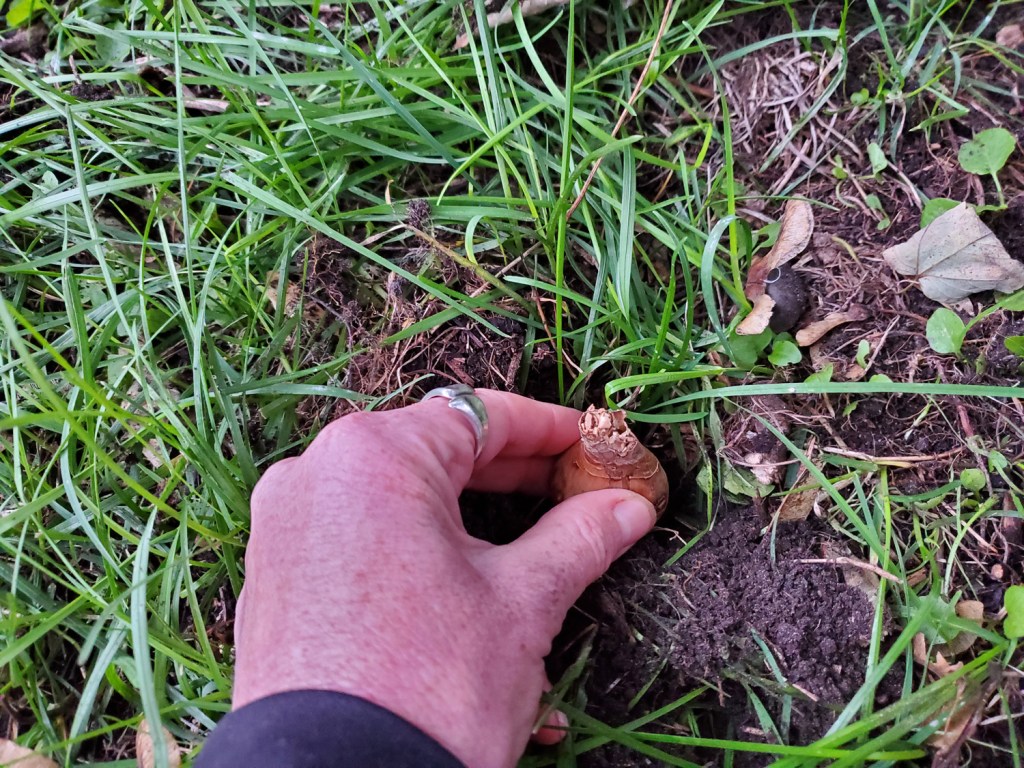
We also did some planting of our own after opening hours so there’ll be a surprise artwork in the garden in the Spring!
The Really Secret Garden:
Reflections
‘The Secret Garden’ worked as a collaboration with a community partner, as a tool for creative public engagement with nature, as a creative activator of a new space and as a socially engaged process. We transformed the bare courtyard and garden to a colourful, active, creative and social outdoor hub, meeting area and place to participate in creative, nature inspired activities.
People tried out new things, learnt new skills met new people and had new conversations. Conversations often were around challenging life events, mental health, importance of engaging with health/wellbeing/nature. Many people were hesitant to do something ‘creative’ as they had low confidence but were surprised at how much they enjoyed and benefitted from making even the smallest of contributions. As a result, The Hub realised the value of working with artists, something they would not have considered previously.
As artists we felt initially that we were only providing simple ‘workshops’, but soon realised that how we had designed the project meant that the activities were only a small part of the project. We saw people engage with the garden, with meeting new people, with having open conversations and much more. The garden became a convivial space of creative activity and we saw a huge amount of personal engagement, enjoyment and people moving out of comfort zones by trying new things with our support.
We realised that many of the conversations we were having reflected on the work the Hub was doing and how people thought about it. Very few of the volunteers had any training and worked in a very understated way, which meant that quite a lot of them underestimated the impact they were having on the Hub and its work. Our site was becoming a mirror for their project – allowing the volunteers to consider their own contributions and reevaluate the value of them, to themselves, the Hub and the wider community.
The huge take away for us as a practice, was a reminder to stay confident in the process as the directions and outputs change with the participants. To be alive to the project in real time not just trying to deliver a pre prepared project outcome but to allow constant new beginnings. To be aware that we are creating, curating and holding a space where new things happen.
“The “Secret Garden” project added impetus to our plans to develop our outdoor space as a social area and provide a focus for volunteers who are particularly practical. The programme attracted people who were first time visitors to The Hub, and helped grow our connections to other groups in the town“
Hub Comittee member
“For me it was fantastic. Inspirational, scientific, entertaining, educational, informative, intriguing. Where do I stop? Getting people to believe in themselves was a massive plus”
Hub Volunteer
“I sincerely hope you can come back, you guys fitted in so well with the team. Thank you for choosing the hub for your project”.
Hub Volunteer
The Secret Garden is part of The Culture Collective. Culture Collective is a network of 26 participatory arts projects, shaped by local communities alongside artists and creative organisations. Funded by Scottish Government through Creative Scotland.
A collaboration with The Glasgow School of Art’s (GSA) School of Innovation and Technology (SIT), as an advisory group member, resulted in an in-depth Learning Report, The report, alongside videos capturing both phases of the Combine to Create programme, project films and artists blogs can be seen here: https://findhornbayarts.com/projects/residencies-commissions/combine-to-create
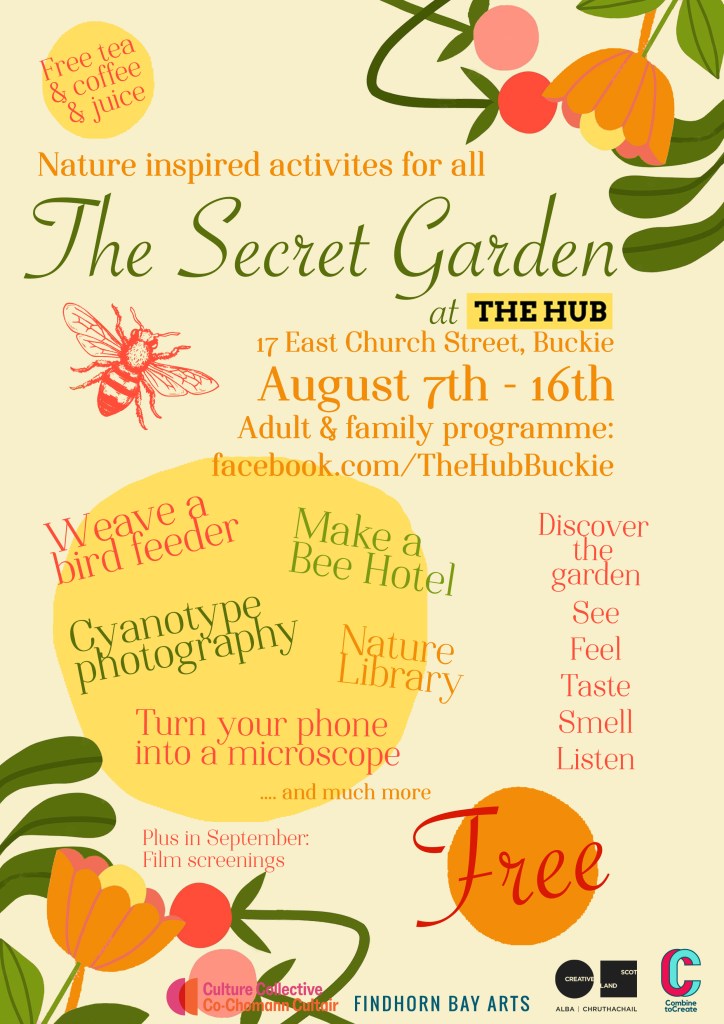
Promotional Materials:

Reflections on The Hub
The Hub is a drop-in centre that, at its simplest, signposts to local services. But as we have become increasingly aware as we have worked alongside its forty or so local volunteers, it provides much, much more. Its a place where anyone can come in with any type of problem or issue and will be given coffee and cake, a warm welcome and a patient and tolerant ear. People come in regularly just to have a cuppa and socialise. Many of the volunteers have become involved after being helped themselves at the Hub and so a wide variety of people contribute and somehow this combination creates a bit of magic and we have started imagining The Hub as being like a safe harbour. Although service providers such as the Credit Union and Peoplehood use the Hub as an outreach base, the volunteers themselves don’t deliver ‘services’, so what’s created is an incredibly informal, supportive space. The Hub takes great pride in the fact that the only paid person is the cleaner.
Links:
https://www.facebook.com/TheHubBuckie



Categories: 2023, Collaboration, Community Engagement, Environmental, Interactive, Participatory, Process

 Coleman & Hodges