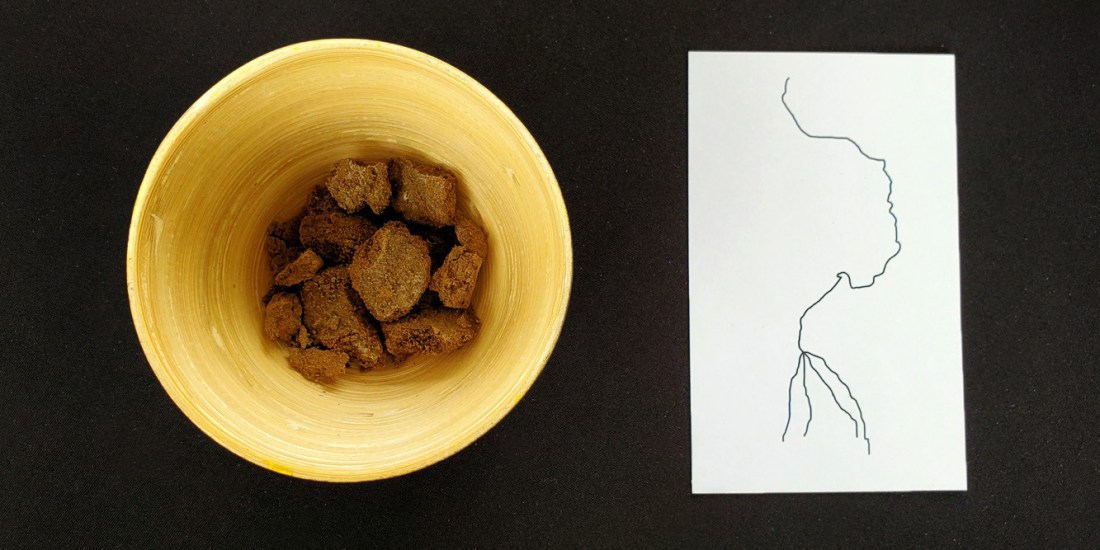
Six Bowls: Ecologies of Resistance, was developed during a 4 week residency on the Island of Evia, Greece in May 2025. This International Artists’ Residency was part of a program led by Turning the Tide, a European co-operation project, co-funded by Creative Europe, dedicated to exploring and confronting the pressing issue of climate change through the lens of artistic practices.
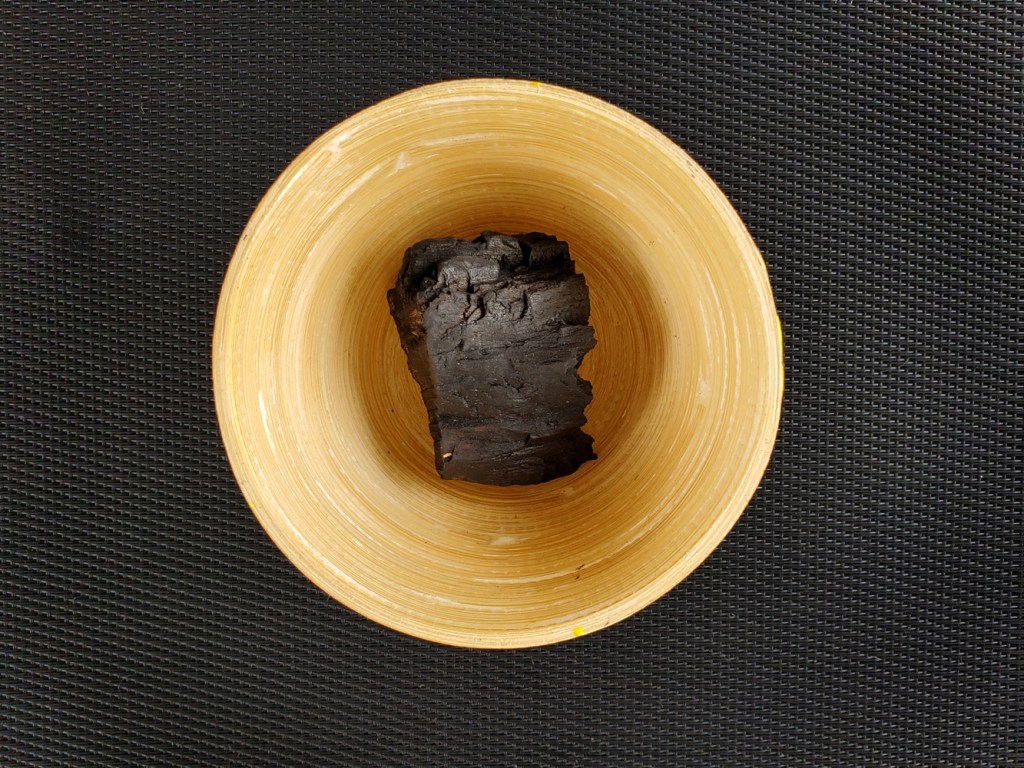
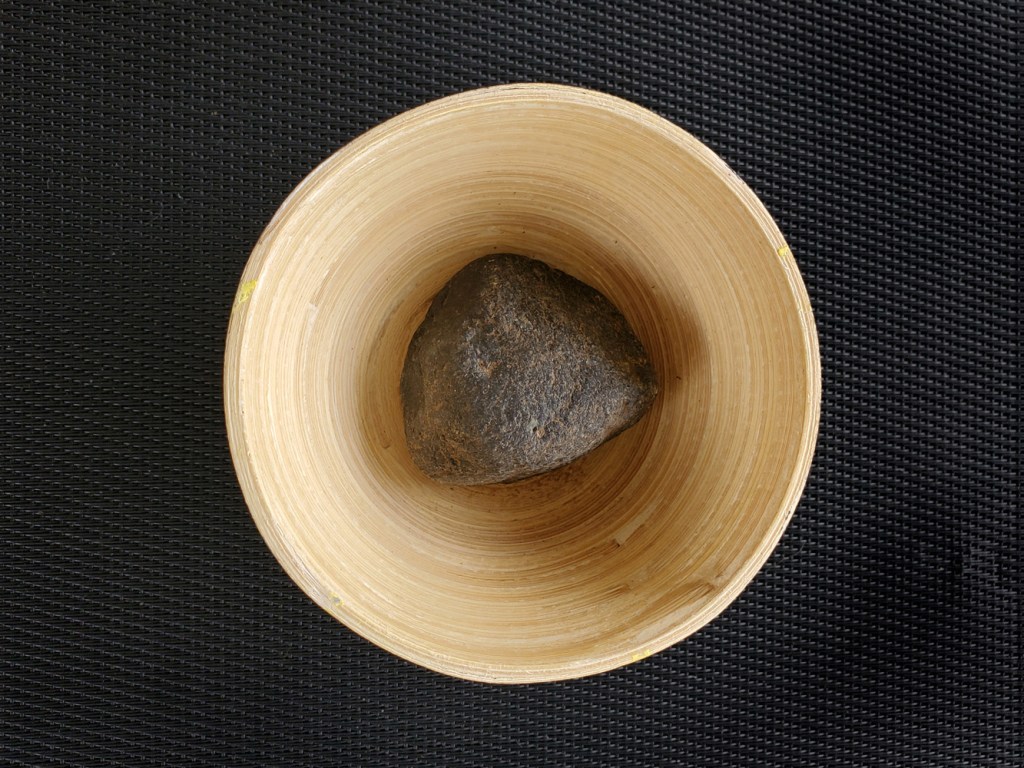

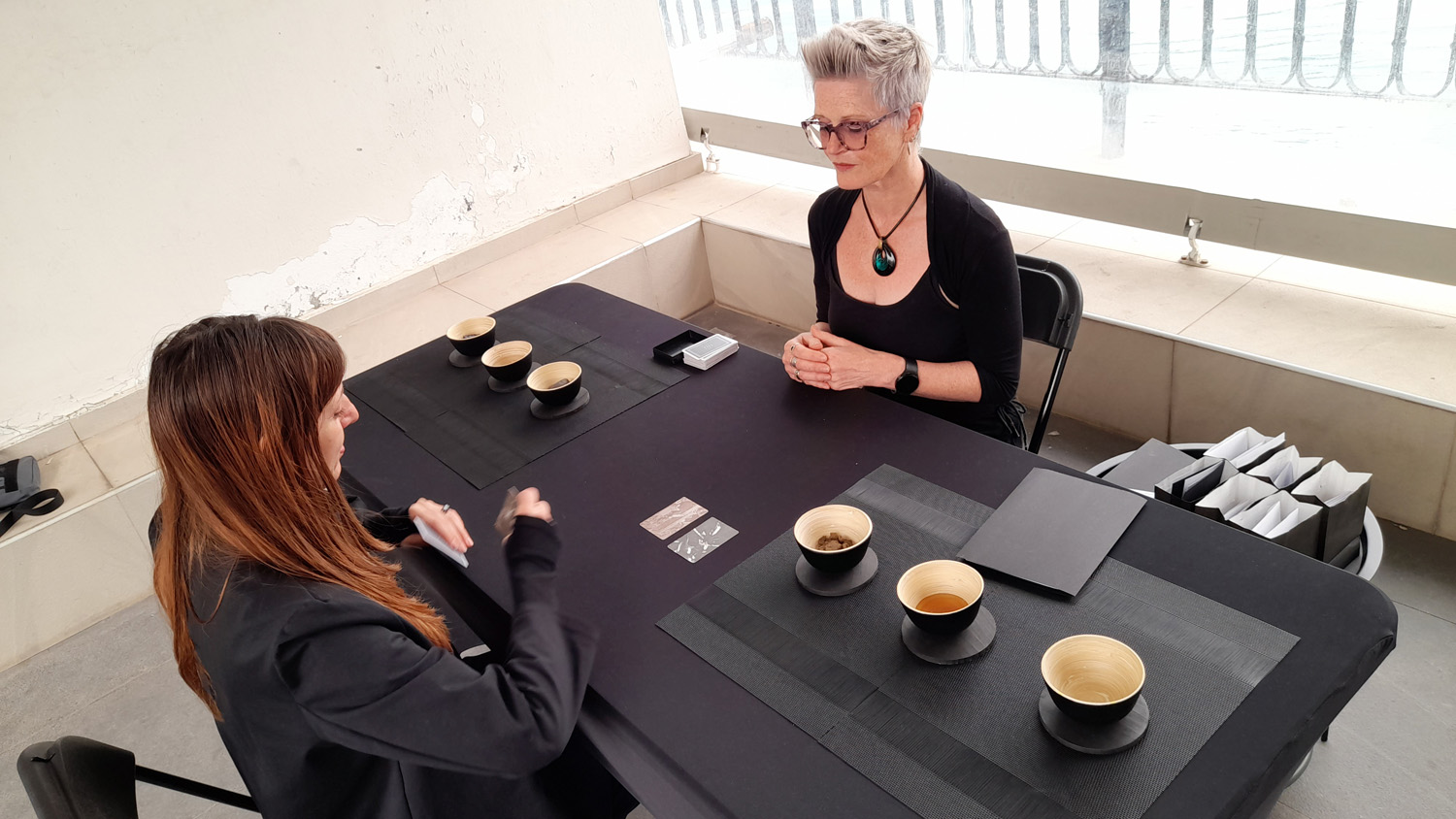
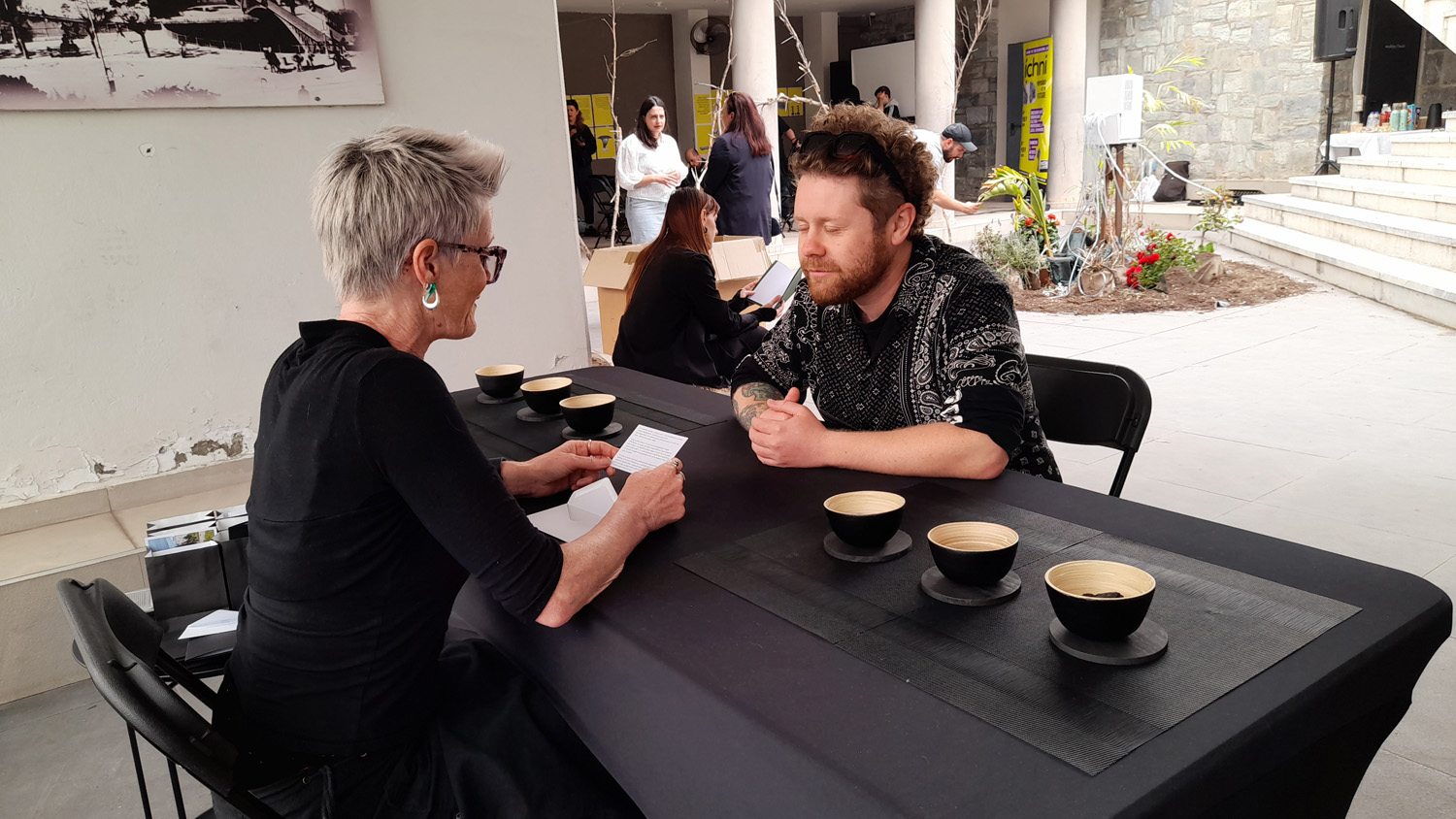
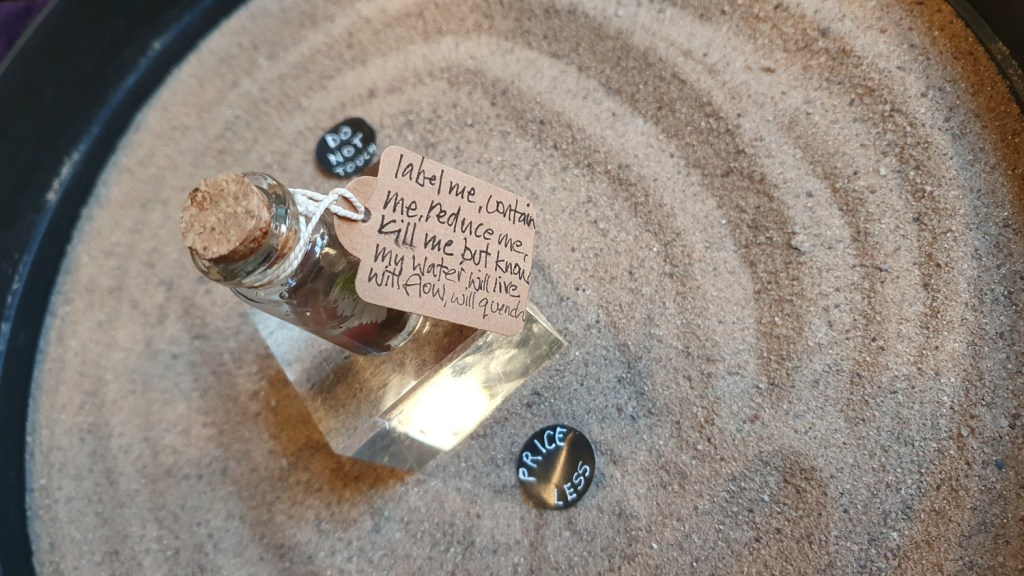
Six Bowls: Ecologies of Resistance draws on site-specific materials to create a space for dialogue and reflection in response to ecological crisis. Emerging from the artists time on Evia exploring a landscape that has been shaped not only by wildfires and floods, but also by extractive economies, abandonment, and inequality, the work invites political and imaginative engagement. The participatory installation uses six elemental materials – air, honey, silt, stone, water and burnt wood, each of which is contained in a bowl. All are connected to local ecologies and to wider systems of extraction.
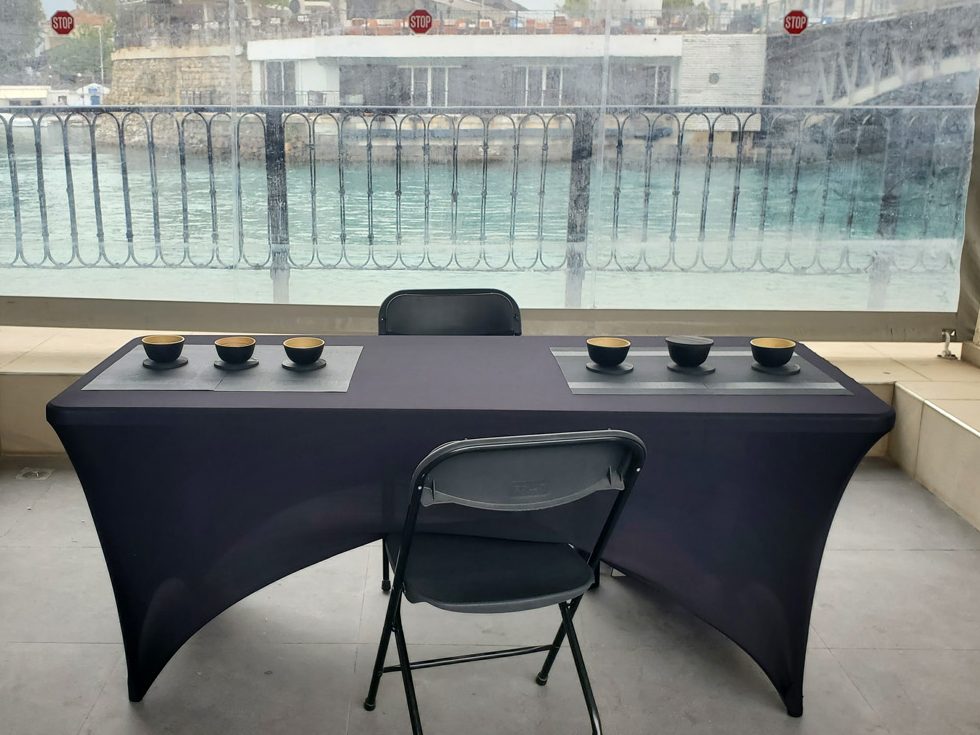
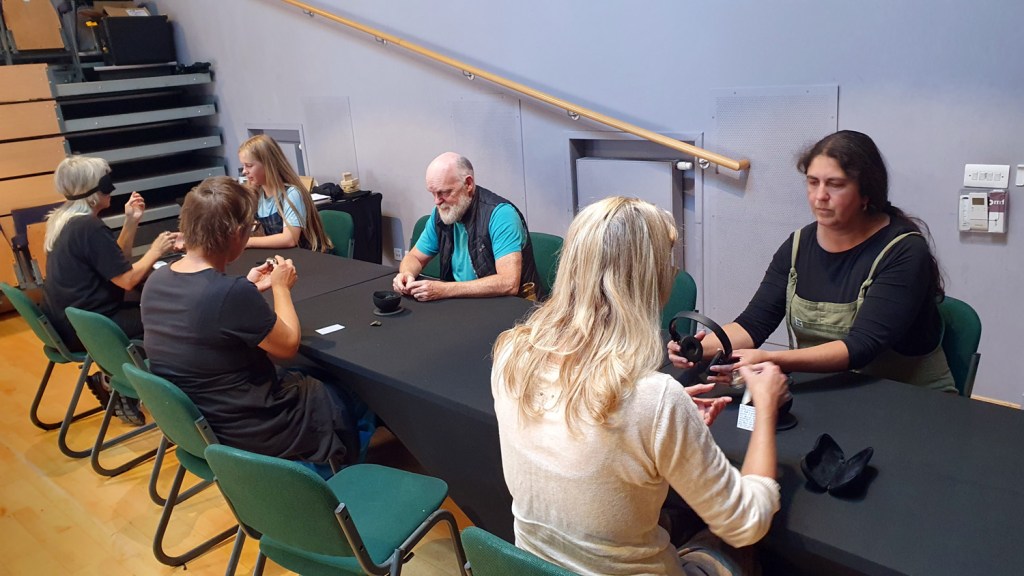
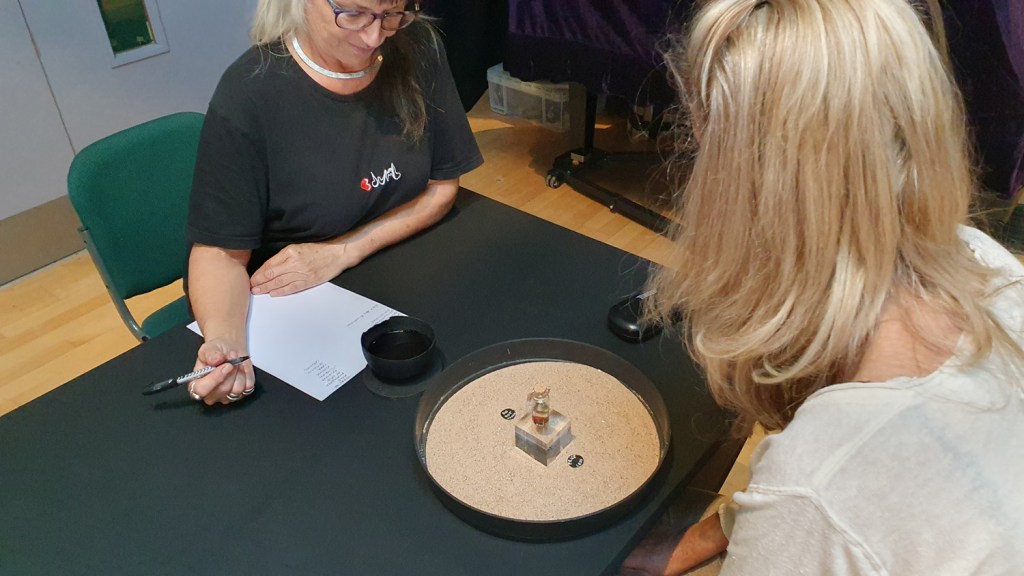
Six Bowls at the Ichni Lab, Evia. May 2025
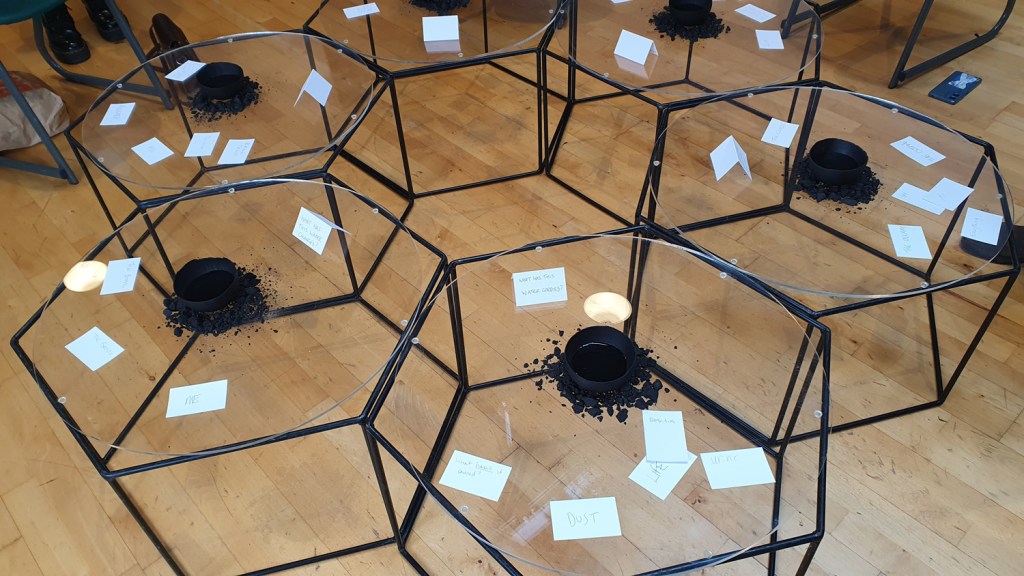
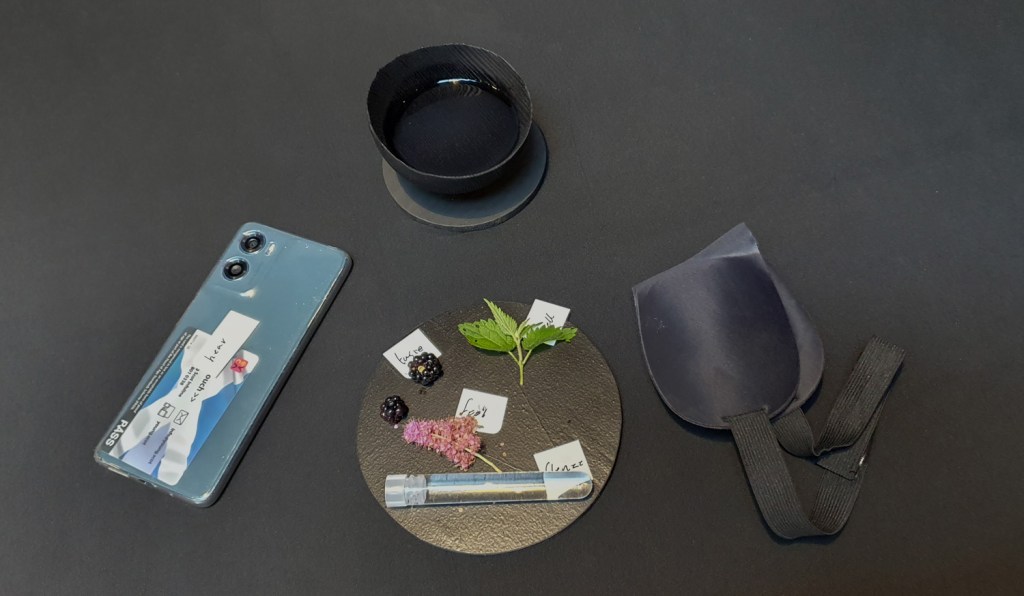
Around these bowls, the artists have built nine different ways in which they can be used – from a mapping tool for fragile systems to a ritual space for regeneration. From a museum of memory and loss to a Commons Assembly. Each bowl becomes not just a container, but a portal that holds a story, a memory, a provocation or a future. Together, they create a sensory and conceptual space to explore ecological entanglements, resistance and renewal.
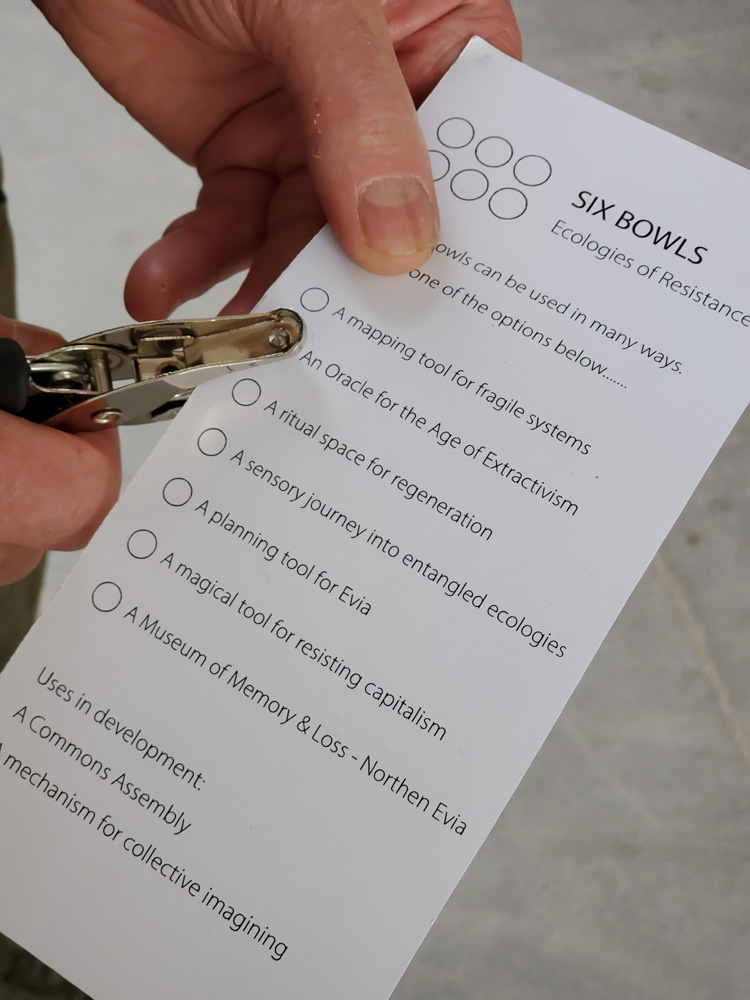
Participants choose the ‘use’ of the installation before visiting
The work is informed by the experiences of local communities but activated by the people who take part. It’s a space where politics, poetics, ecology and imagination meet in small, sensory, and sometimes surprising ways, asking those who engage with it to explore entanglements, to question extractive systems and to imagine a different future.
Six bowls is of simple construction and is intended to travel to different contexts where it can be shaped by locality and be used as a creative tool for engaging communities, artists, activists, civic processes and members of the public. Its intention is as an emerging space of encounter, play and imagination as well as a catalyst for conversation and co-creation towards shaping a more just, connected and resilient ecological future.
Q&A about the work HERE

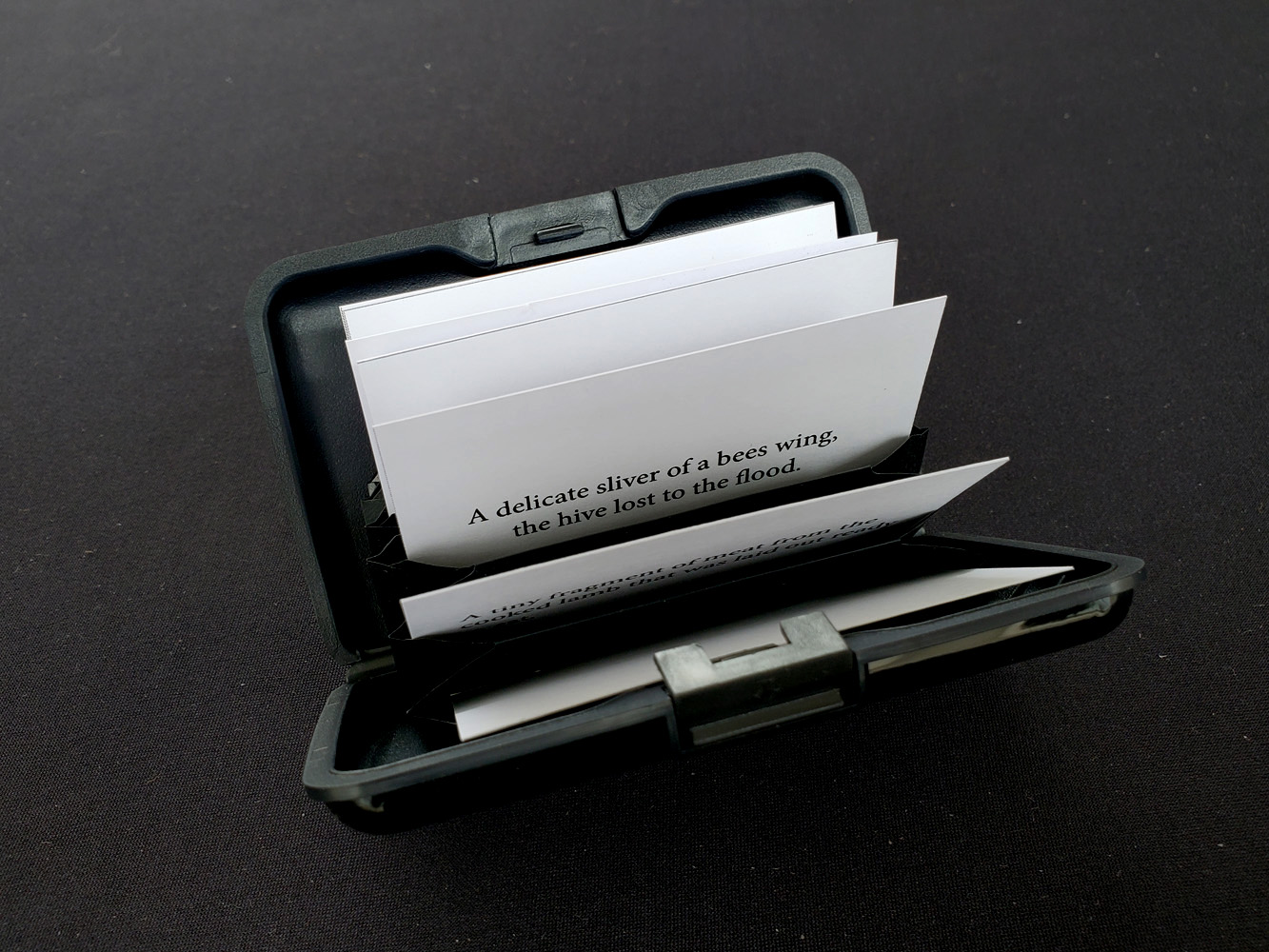

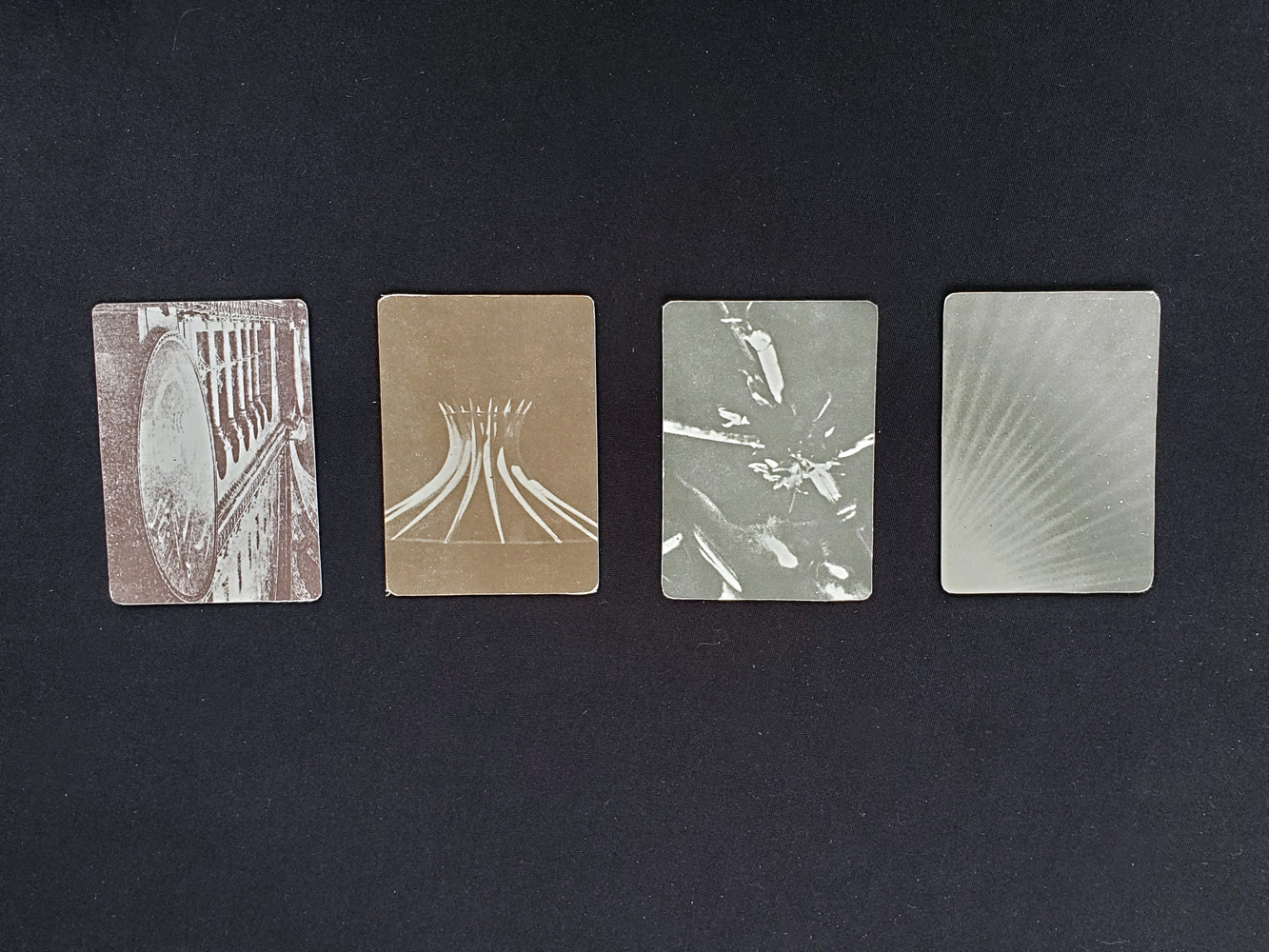


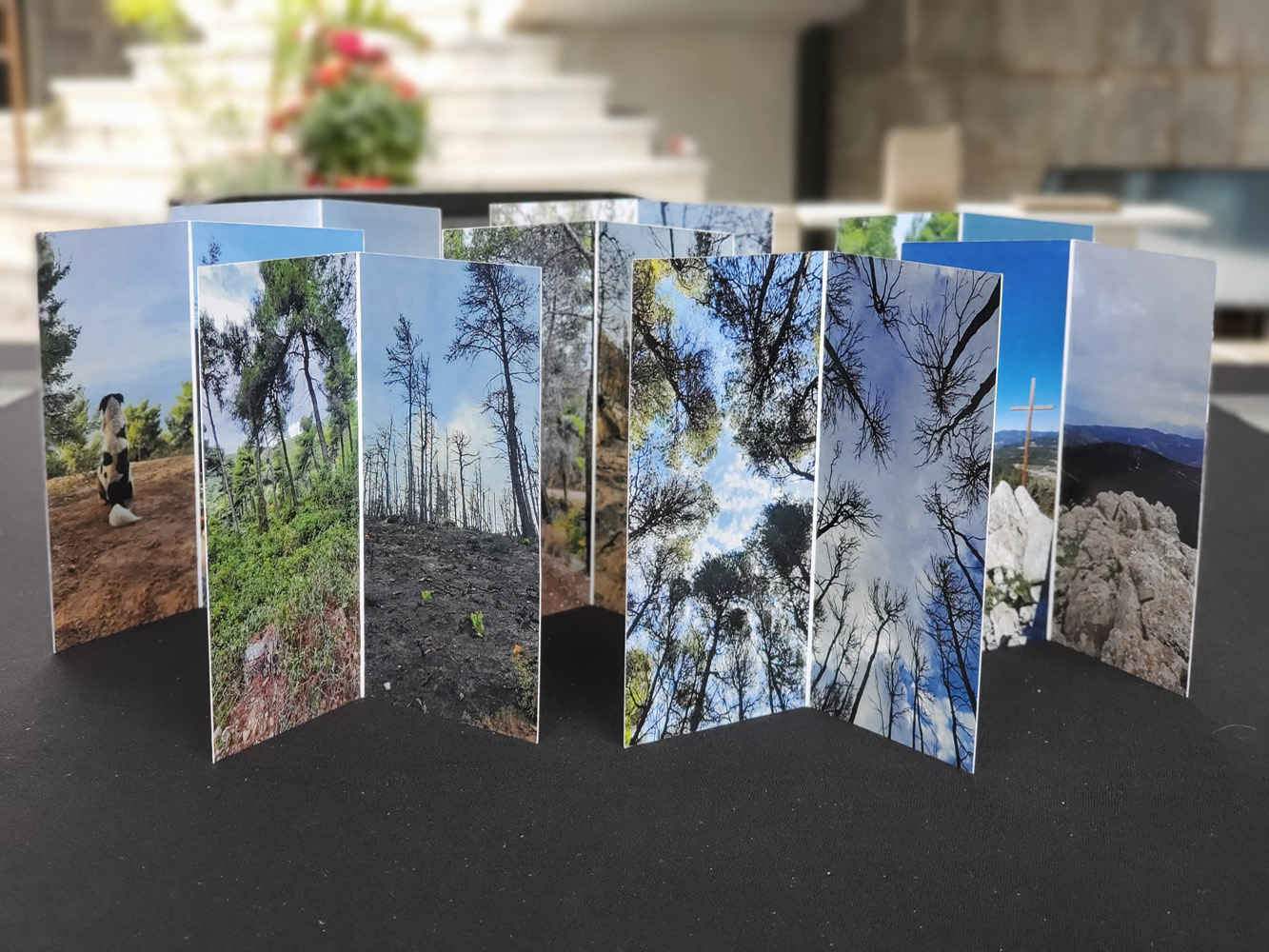
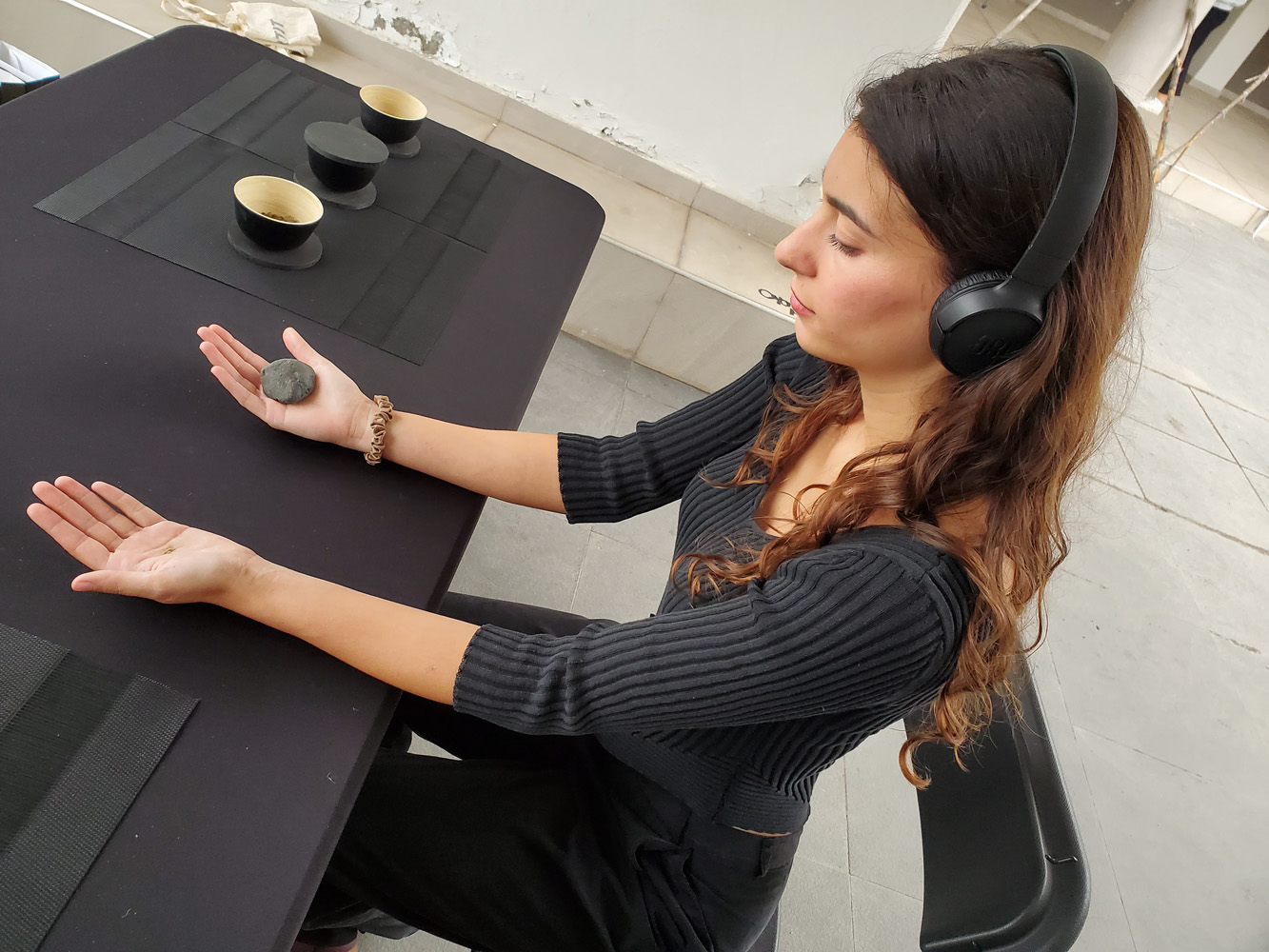
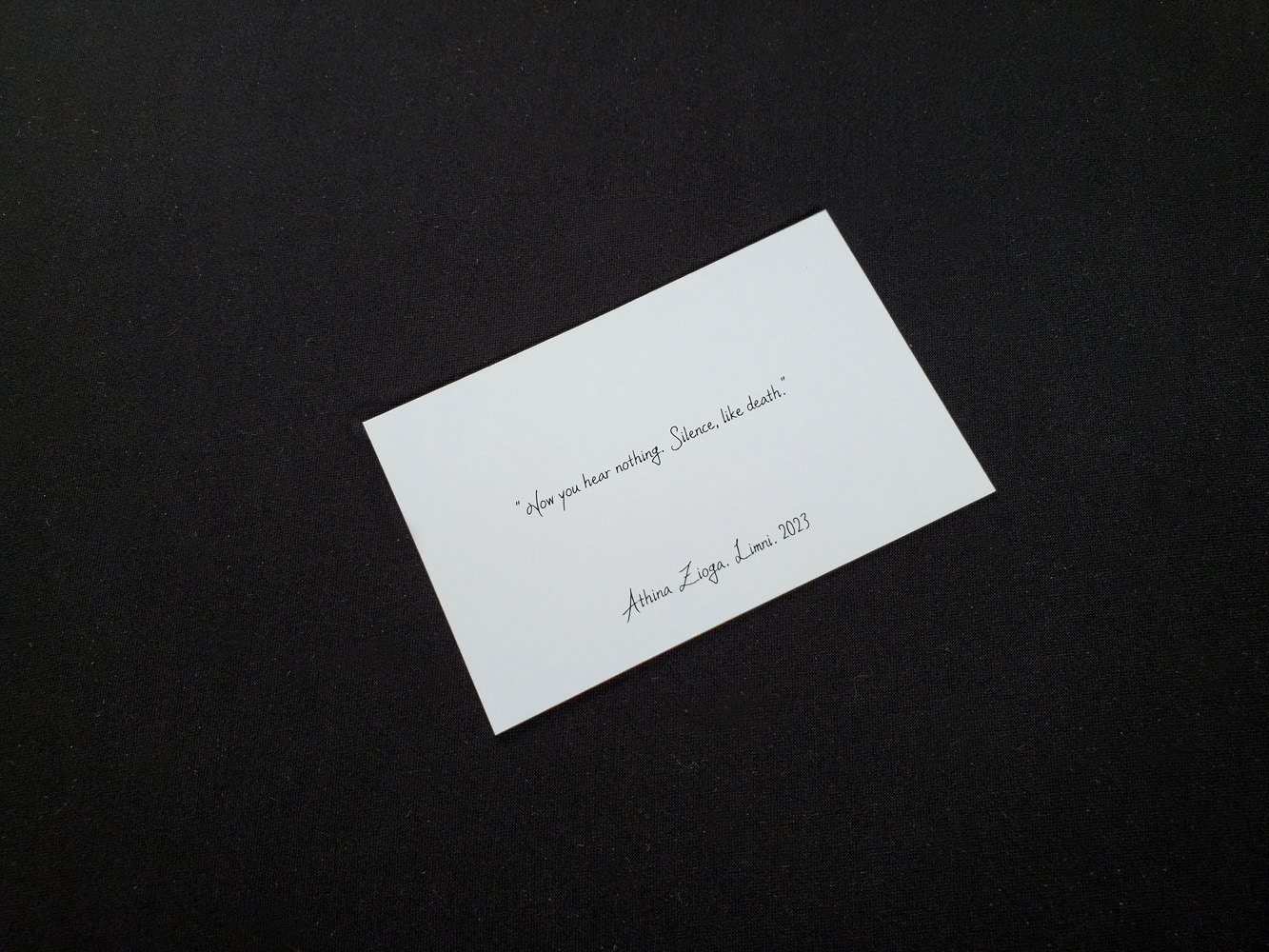
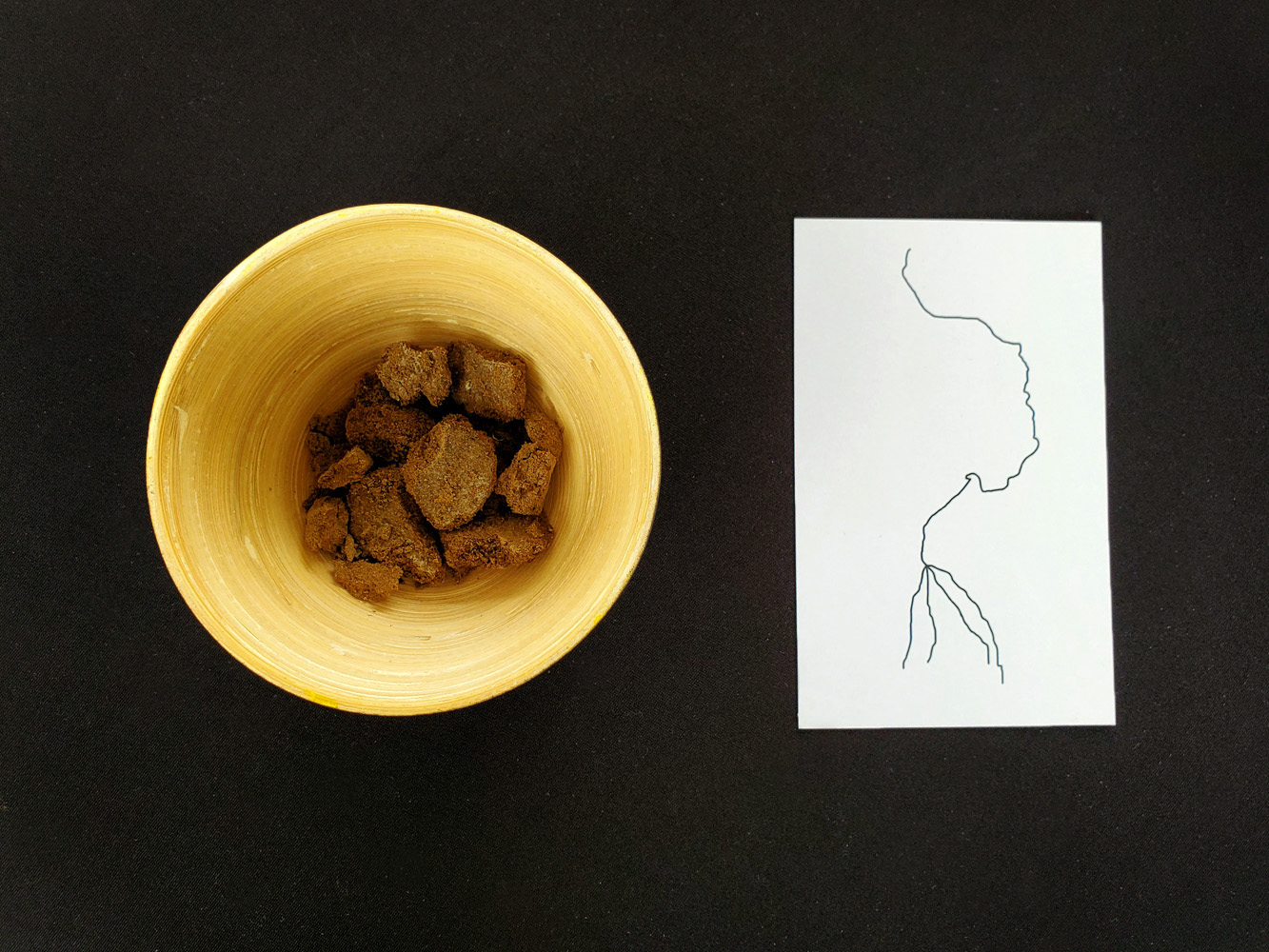
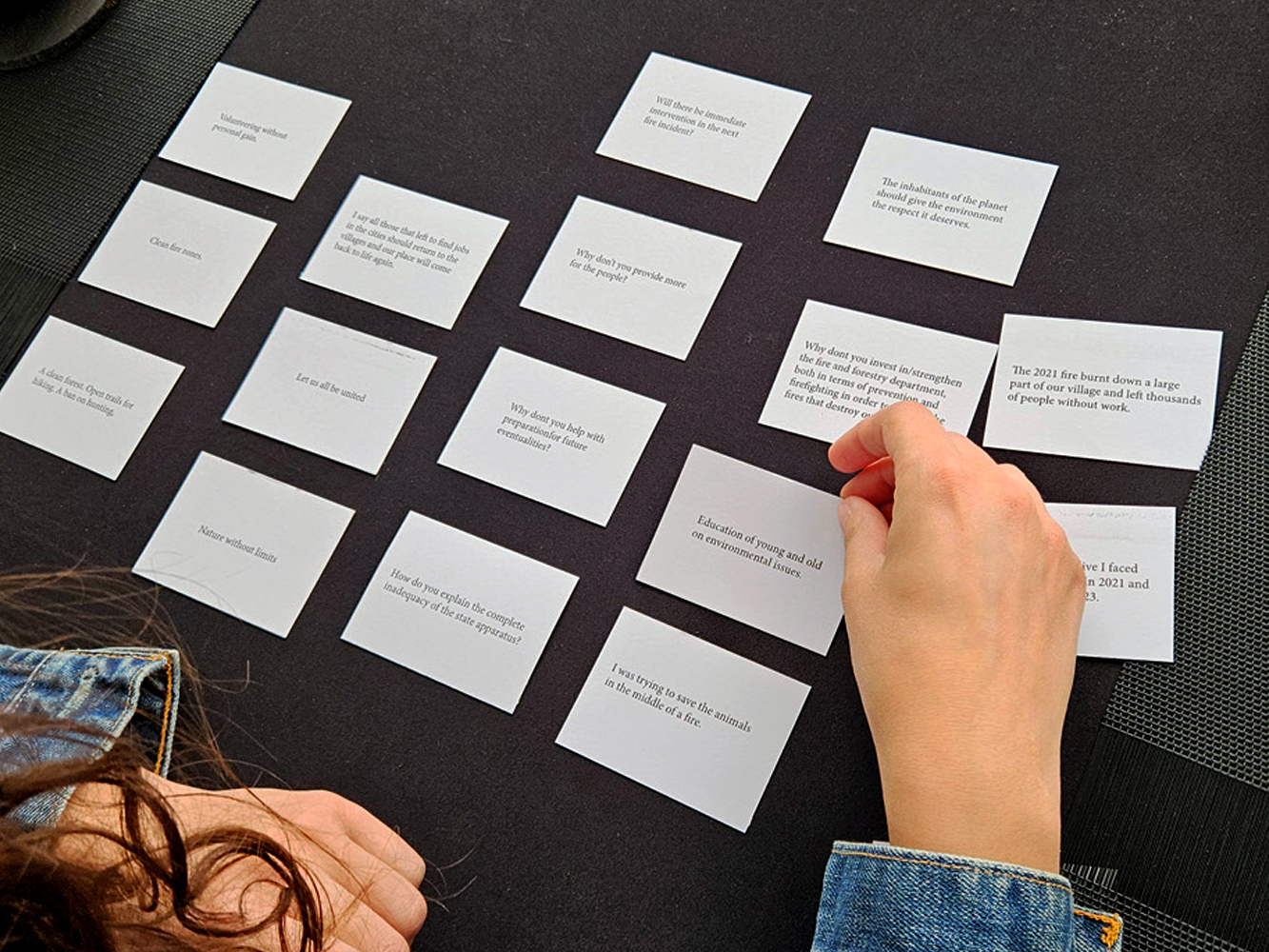
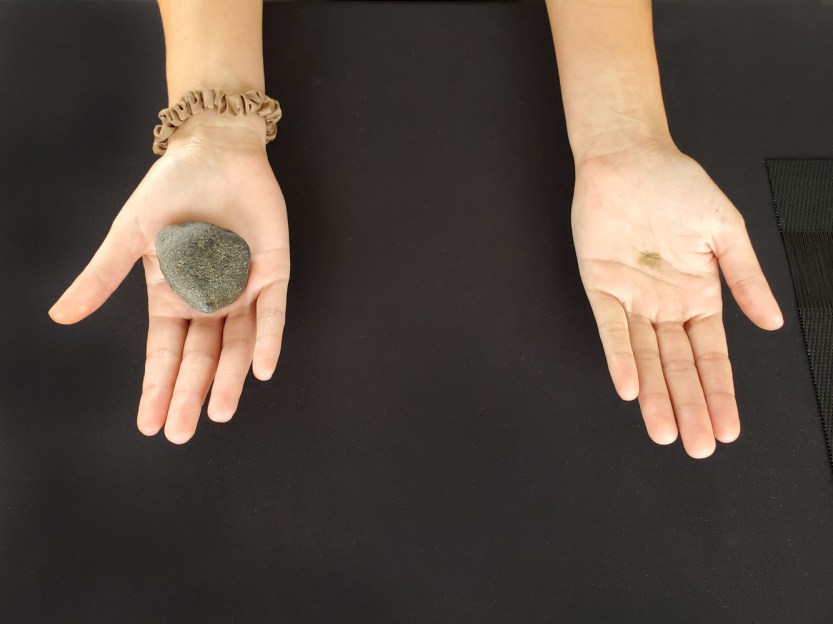
Six Bowls at the Ichni Lab, Evia. May 2025. Image of cyclamen and images of the Evia forest fire in ‘The Museum of Memory and Loss’ by Athina Zioga.
Campfire Tales
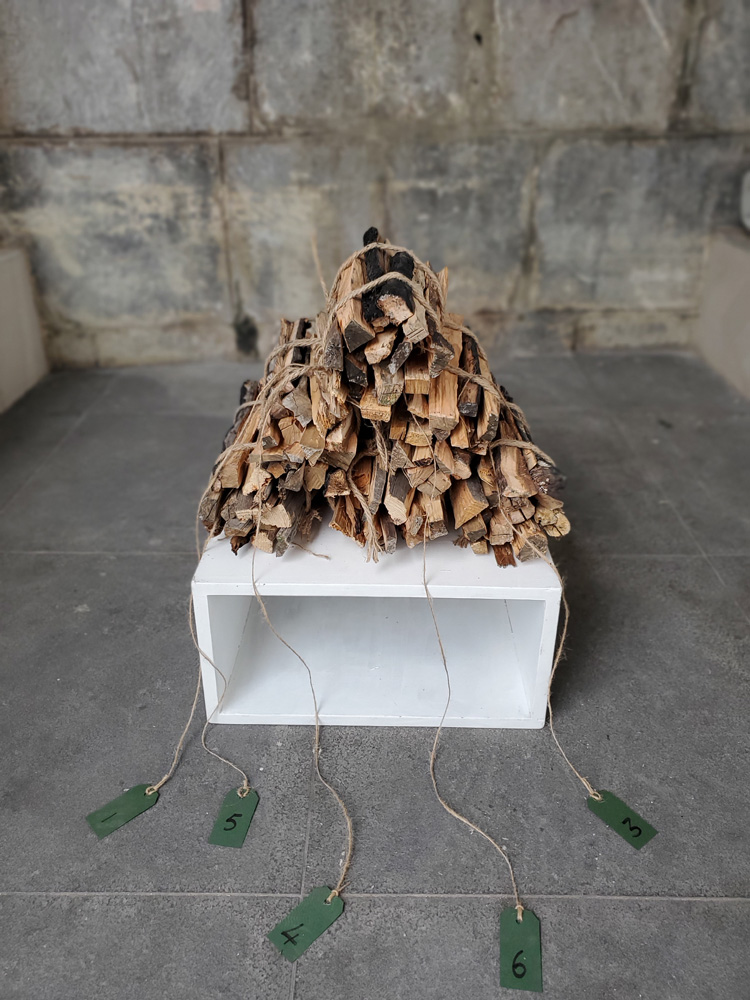
A second work developed during the residency, Campfire Tales, presented six bundles of kindling gathered from the wildfire zone in Northern Evia, to be used to ignite six campfires in other places at other points in the future. Each bundle contains an idea or provocation from the artists in relation to their encounters with the people and landscapes of the island. For thousands of years the campfire’s circular, democratic glow, has been a space for open exchange; for speaking and listening, sharing histories, imagining futures and strengthening the social fabric that binds us. From a landscape marked by devastating wildfires, fire is reclaimed and reframed as a source of warmth, light, and connection.

About Turning the Tide
Turning the Tide’s mission is to harness the power of culture as a dynamic force in addressing climate change. They believe that by integrating new approaches, there is hope to prevent planetary destruction and inspire a future that respects both living organisms and nature. By uniting artists with local communities, they hope to influence city planners, politicians, and decision-makers to rethink their strategies and move towards a more sustainable future.
Their International Artists’ Residencies program invited artists from around the globe to immerse themselves in the local contexts of 5 partner cities. The month-long residencies were structured to allow artists to engage deeply with local communities, understand their unique environmental challenges, and create artworks that reflect these experiences. The residencies enabled artists to develop works that not only resonated with local audiences but also contributed to a global conversation on climate change and environmental sustainability.
https://www.turning-thetide.com
The Six Bowls: Further Development
In June 2026 Jo and Robbie delivered a participatory workshop working with the idea of The Six Bowls as a Commons Assembly.
First, participants were introduced to a range of approaches to bringing nature into human decision-making from around the world. These included Nature on the Board, Traditional Ecological Knowledge, Legal Personhood for Rivers, Commons Tribunals, Interspecies Councils and Species Solidarity.
Participants were then invited to step into the perspectives of six environmental elements; Water, Air, Peat, Soil, Stone and Wood, and to consider the region through their voices. Working in small groups, participants considered the life, relationships and ecological concerns held within each element before coming together as a temporary Commons Assembly. Through discussion, debate and role-play, they explored issues affecting the region and considered what might change if the needs of the more-than-human world were given greater presence in human decision-making. The process encouraged participants to move between playfulness and serious reflection, sharing insights, concerns and speculative ideas across the interconnected elements.
Finally participants explored how ideas around bringing nature into decision making might inform organisations, communities and creative practice within Dumfries and Galloway.
Designed specifically for the What We Do Now Network, this was an opportunity to explore how The Six Bowls can respond to the region and its ecological concerns and to share ideas and knowledge with others in the network within an open-ended, collaborative process.
See: https://whatwedonow.scot/june-wwdn-gathering-reflections/


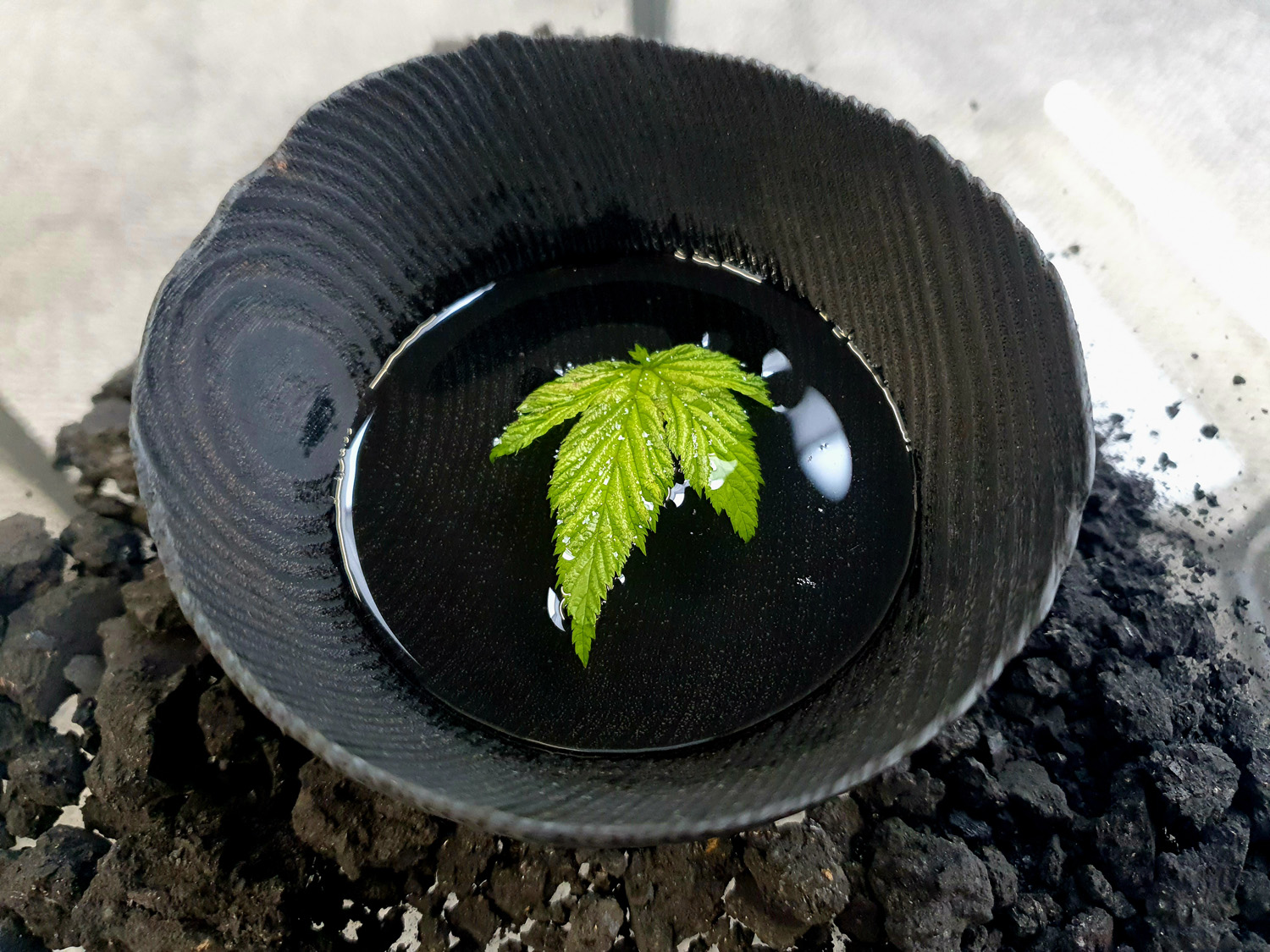


Six Bowls: Water
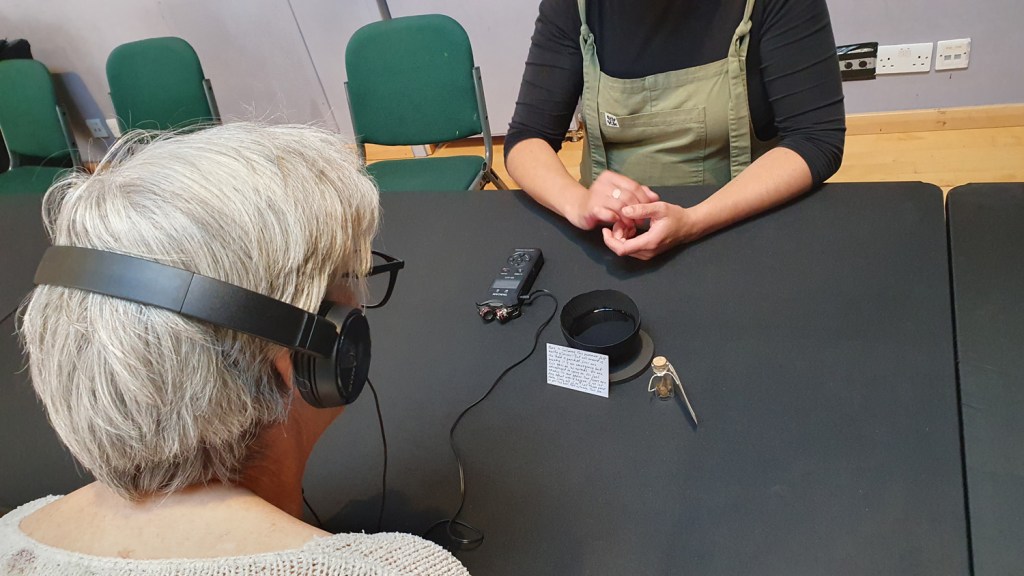
In August 2026, The Six Bowls were taken to the Land Notes festival at The CatStrand in New Galloway. This participatory session was designed to explore the relationships that water makes possible to deepen our understanding of place.
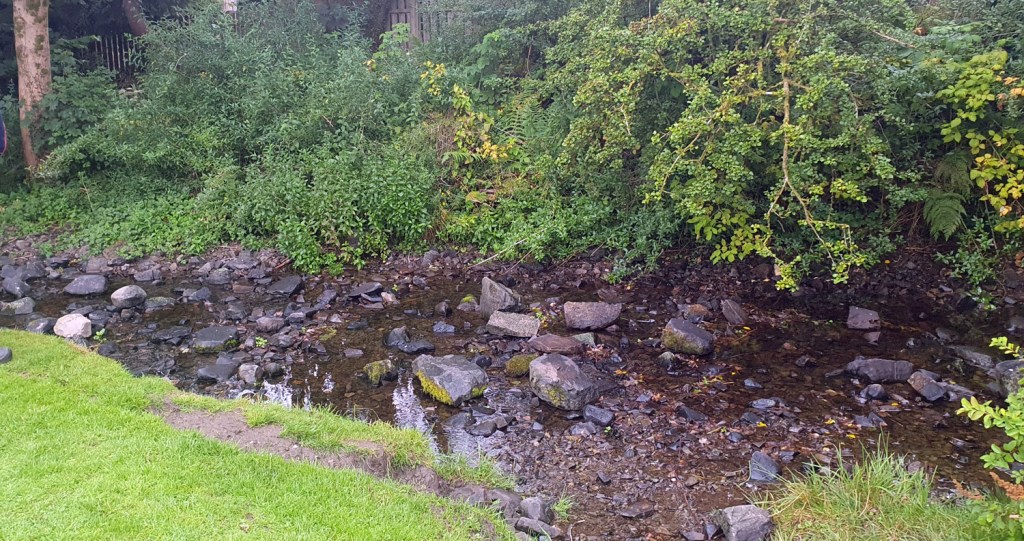
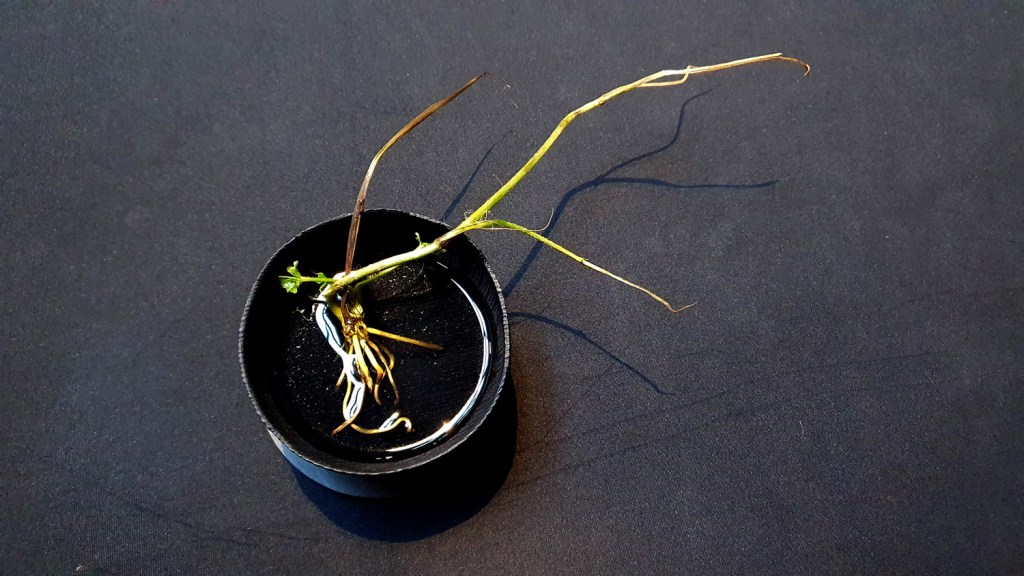
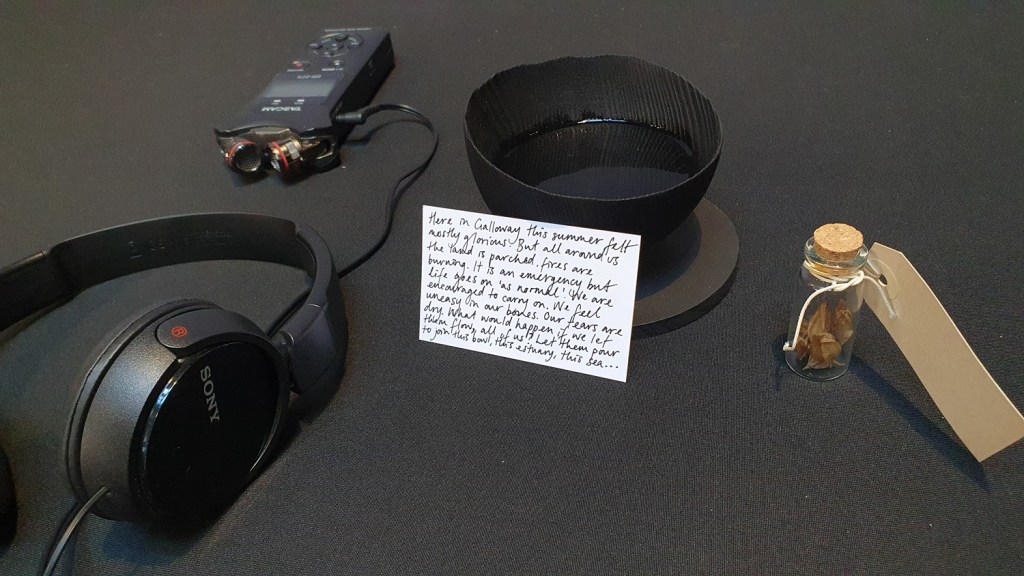
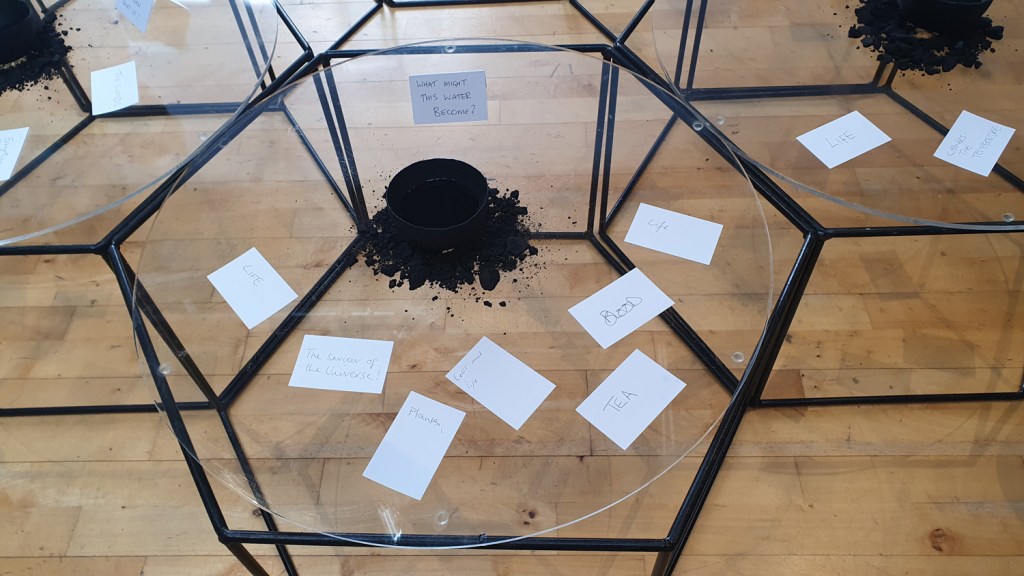
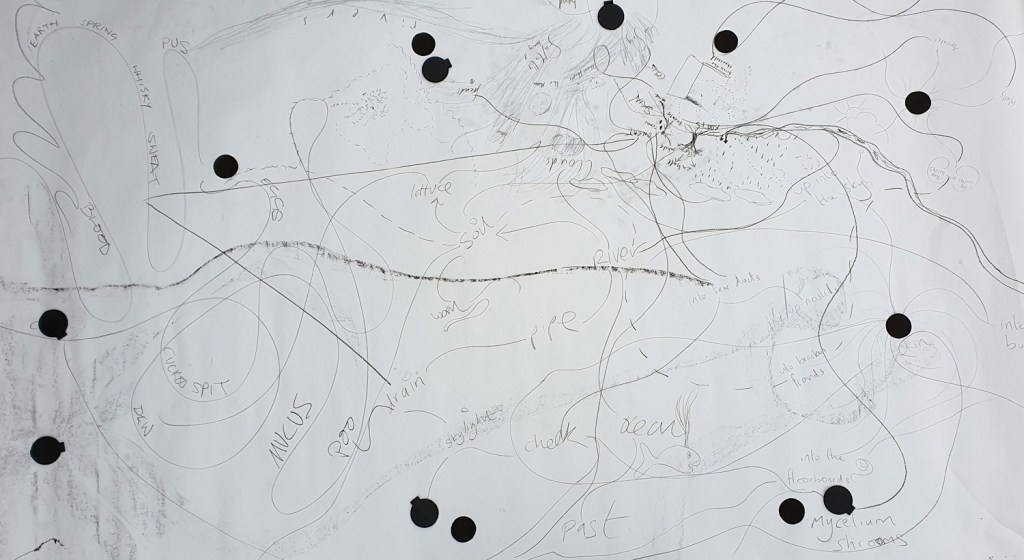
Developed as a new use of the Six Bowls work, the workshop used water as a way into thinking about the Glenkens. Each of the six bowls initially contained water gathered from the estuary, where the River Dee meets the sea. During the day, participants joined this water with water from the nearby Mill Burn, tracing connections between a particular place and the wider journeys of water.
Through listening, drawing, rhythm, conversation and physical actions, water was explored as something we encounter, carry and share. The session was informed by Astrida Neimanis’s concept of hydrofeminism, which invites us to think of ourselves not as separate from the world around us, but as bodies of water connected with other bodies, species and environments.
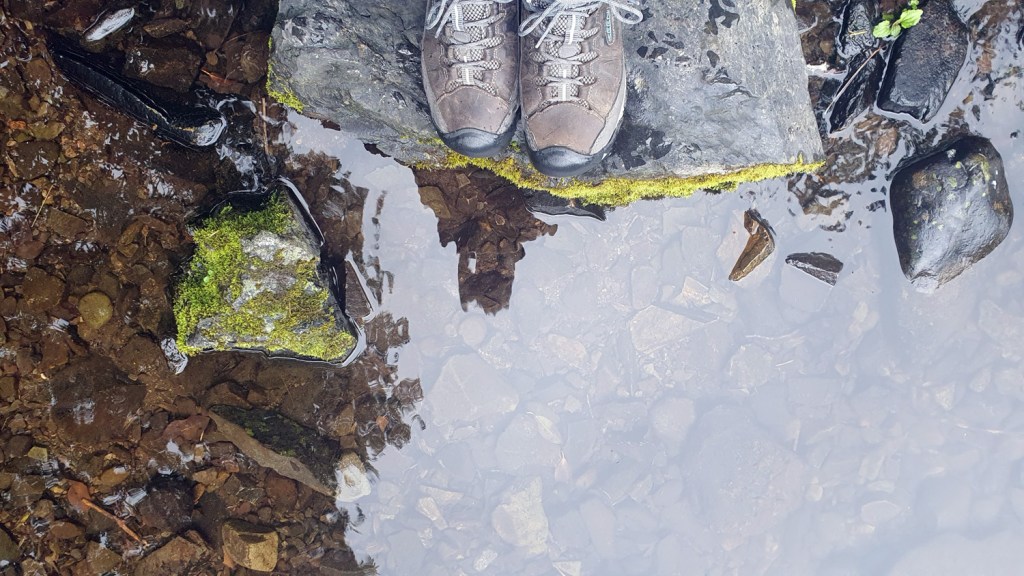
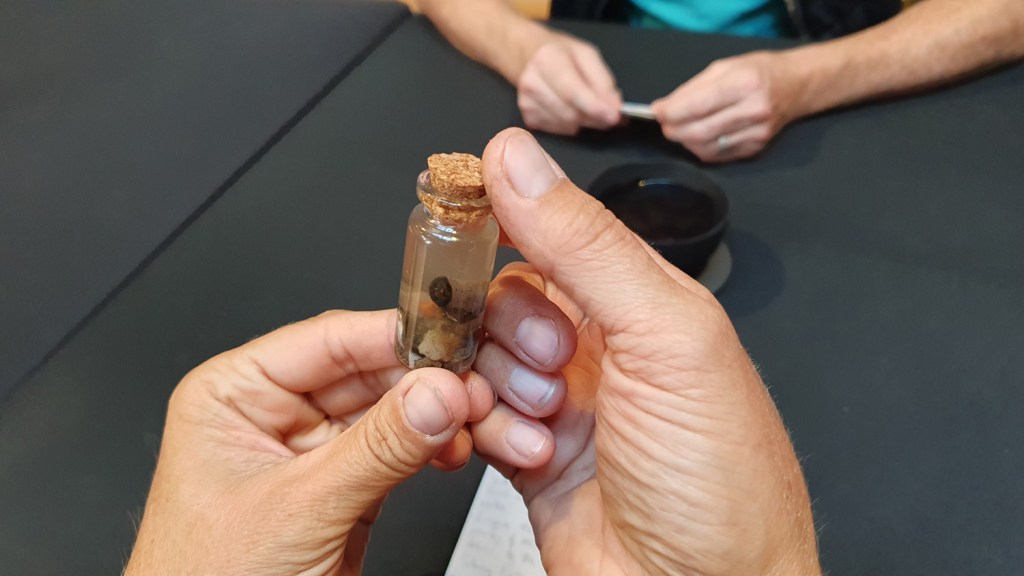
In the afternoon, participants walked to the Mill Burn, paying attention to water’s relationships with the landscape around them. They gathered objects, observations and questions before returning to CatStrand to create their own small encounters. Following the original format of Six Bowls, each participant made an offering for someone else: a moment of exchange inspired by something they had noticed, found or imagined during the day.
The workshop was an opportunity to test how Six Bowls, might be adapted to a very different context. The format provided a simple structure, with the content emerging from the water, the Mill Burn, the Glenkens and the experiences and imaginations of the people taking part.
Like the wider Six Bowls project, the workshop explored how a simple act of encounter can open up different ways of noticing the relationships between people, materials, ecologies and place.
“Really enjoyed today thank you. It raised so many questions”
“Today was great – really nourishing and empowering”
“It was wonderful”
Categories: 2025, Community Engagement, Environmental, Exhibition, Interactive, Jo Hodges, Participatory, Performance, Process, Research, Sound, Strategy


