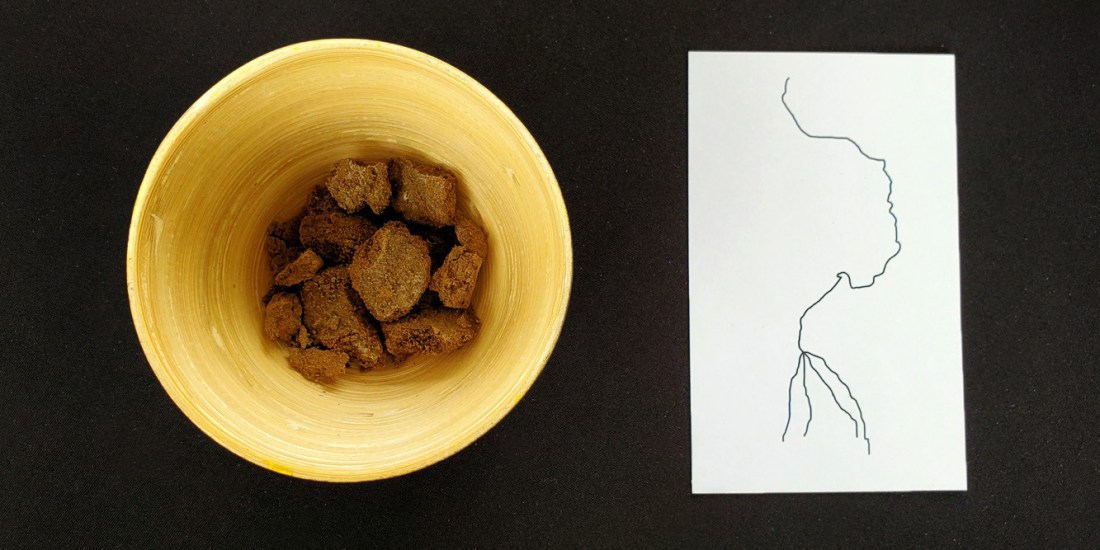
Six Bowls: Ecologies of Resistance, was developed during a 4 week residency on the Island of Evia, Greece in May 2025. This International Artists’ Residency was part of a program led by Turning the Tide, a European co-operation project, co-funded by Creative Europe, dedicated to exploring and confronting the pressing issue of climate change through the lens of artistic practices.
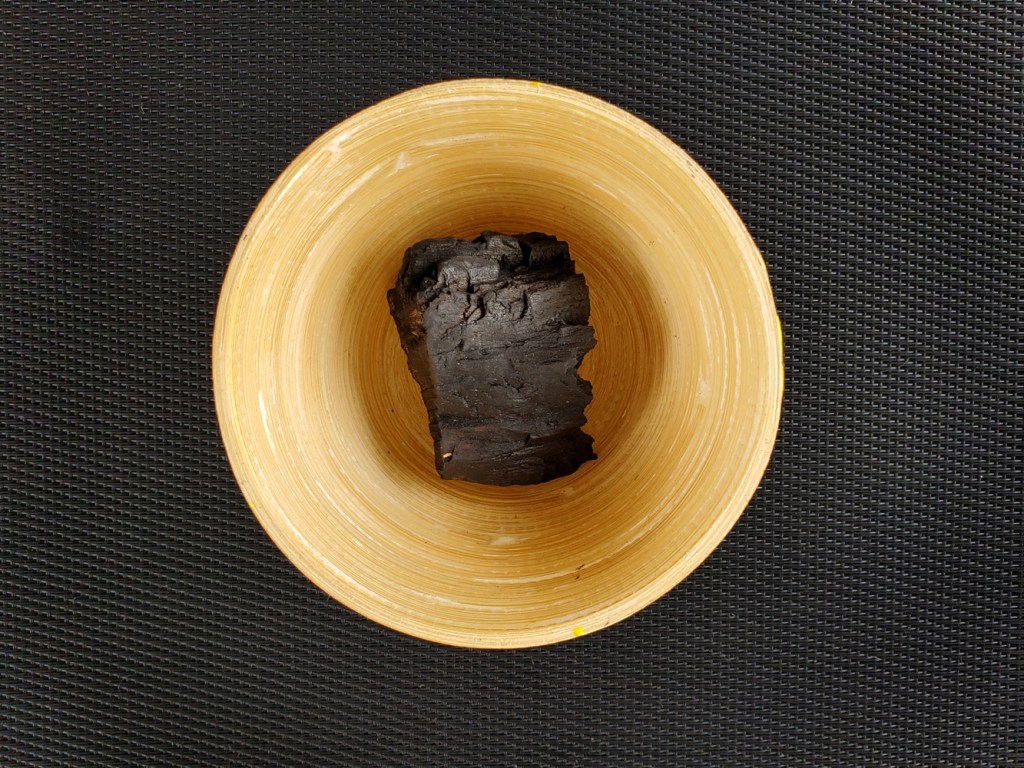
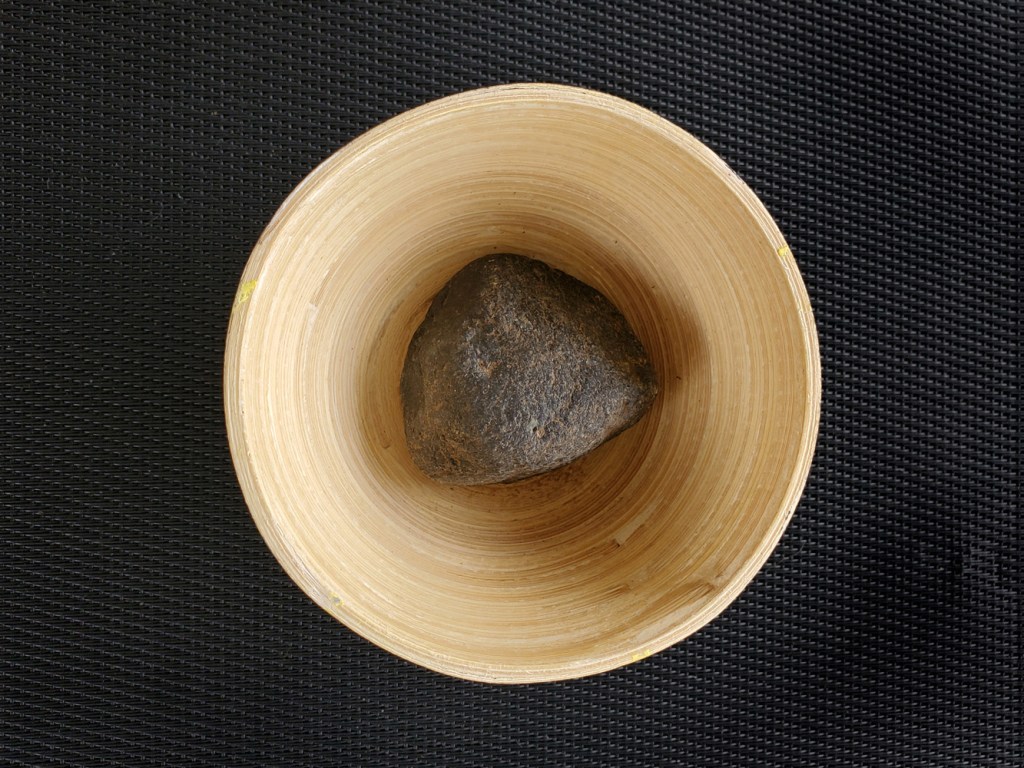

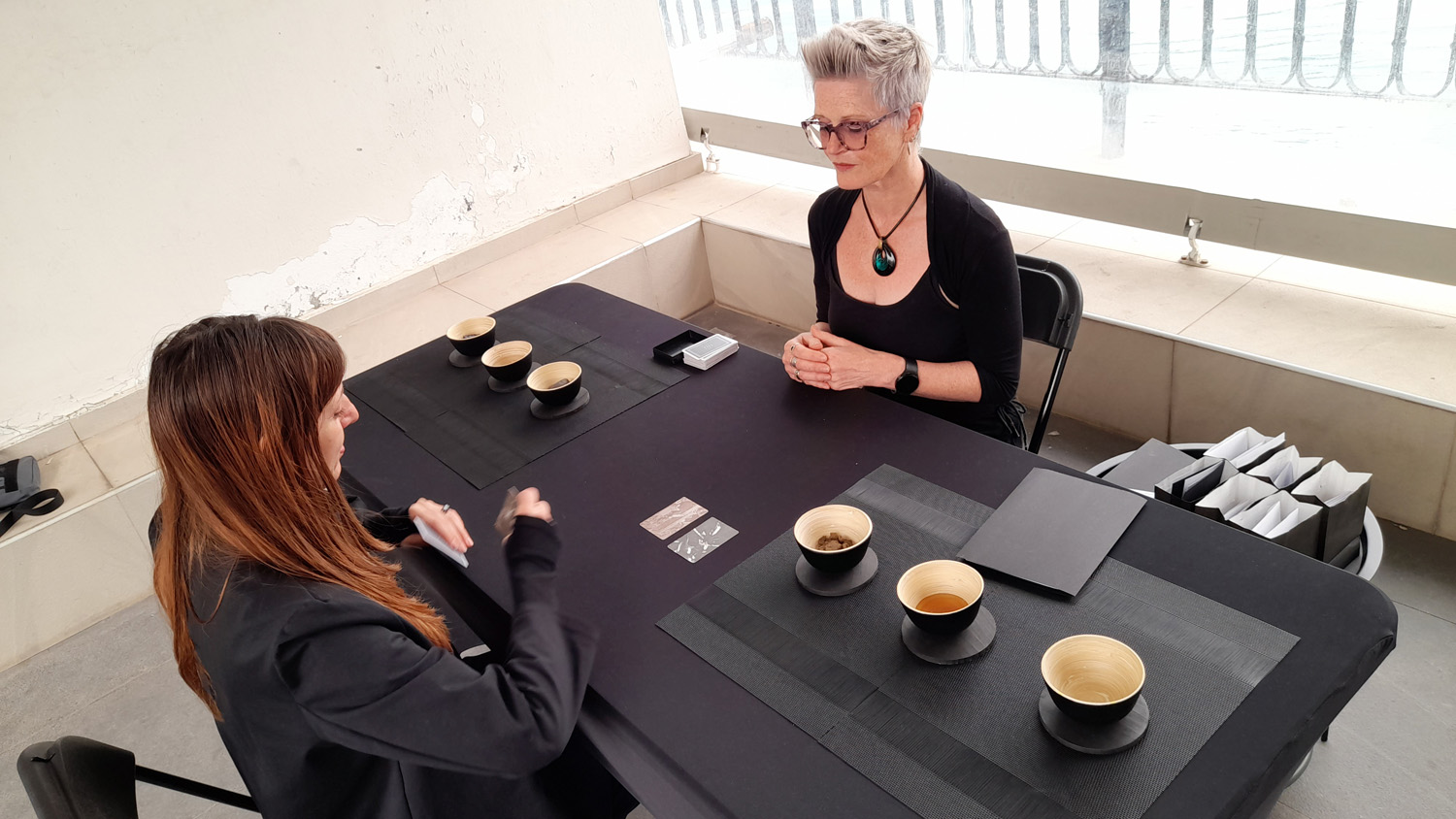
Six Bowls: Ecologies of Resistance draws on site-specific materials to create a space for dialogue and reflection in response to ecological crisis. Emerging from the artists time on Evia exploring a landscape that has been shaped not only by wildfires and floods, but also by extractive economies, abandonment, and inequality, the work invites political and imaginative engagement. The participatory installation uses six elemental materials – air, honey, silt, stone, water and burnt wood, each of which is contained in a bowl. All are connected to local ecologies and to wider systems of extraction.
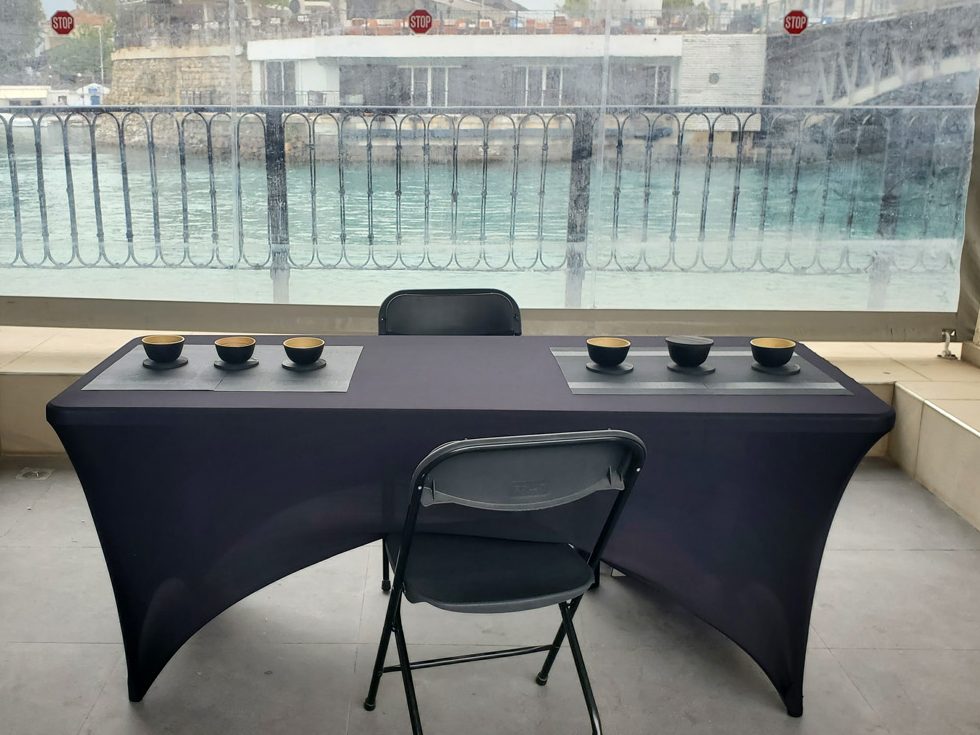
Six Bowls at the Ichni Lab, Evia. May 2025
Around these bowls, the artists have built nine different ways in which they can be used – from a mapping tool for fragile systems to a ritual space for regeneration. From a museum of memory and loss to a commons assembly. Each bowl becomes not just a container, but a portal that holds a story, a memory, a provocation or a future. Together, they create a sensory and conceptual space in which to explore ecological entanglements, resistance and renewal.
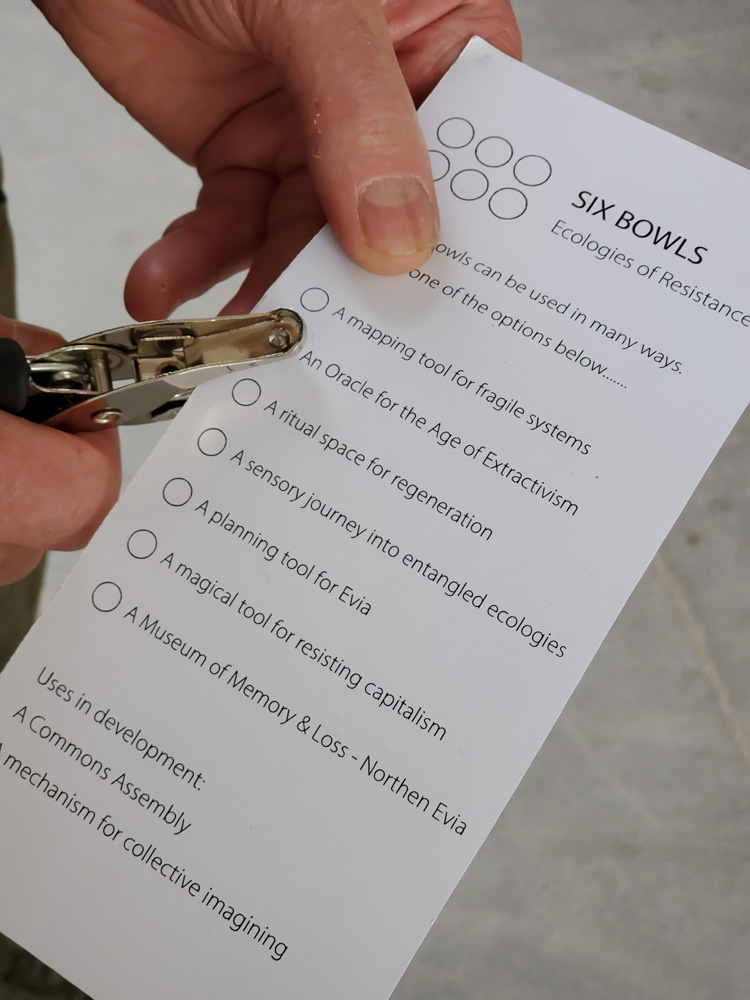
Participants choose the ‘use’ of the installation before visiting
The work is grounded in the experiences of local communities but activated by the people who take part. It’s a space where politics, poetics, ecology and imagination meet in small, sensory, and sometimes surprising ways, asking those who engage with it to explore entanglements, to question extractive systems and to imagine a different future.
Six bowls is of simple construction and is intended to travel to different contexts where it can be shaped by locality and be used as a creative tool for engaging communities, artists, activists, civic processes and members of the public. Its intention is as an emerging space of encounter, play and imagination as well as a catalyst for conversation and co-creation towards shaping a more just, connected and resilient ecological future.

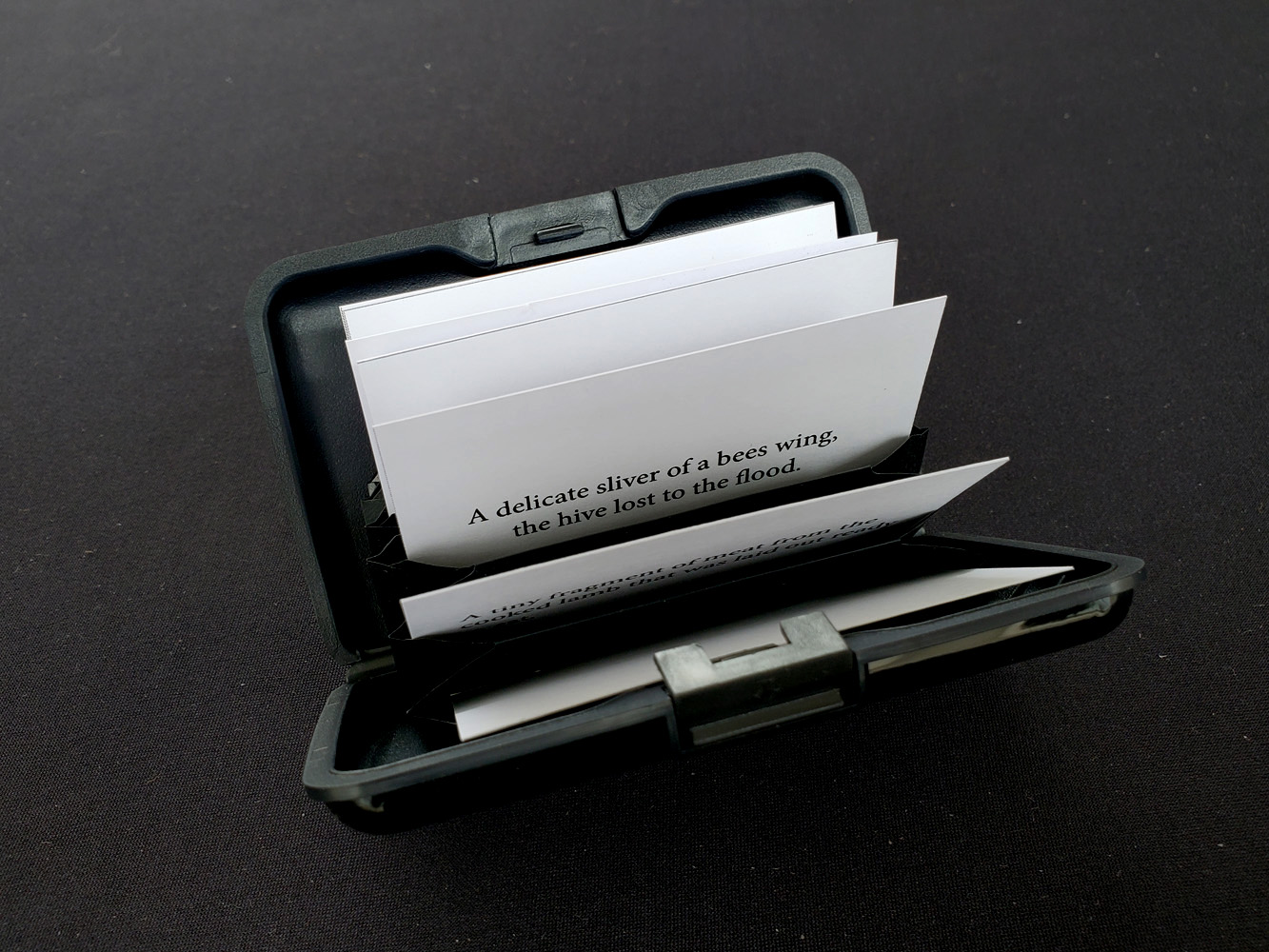

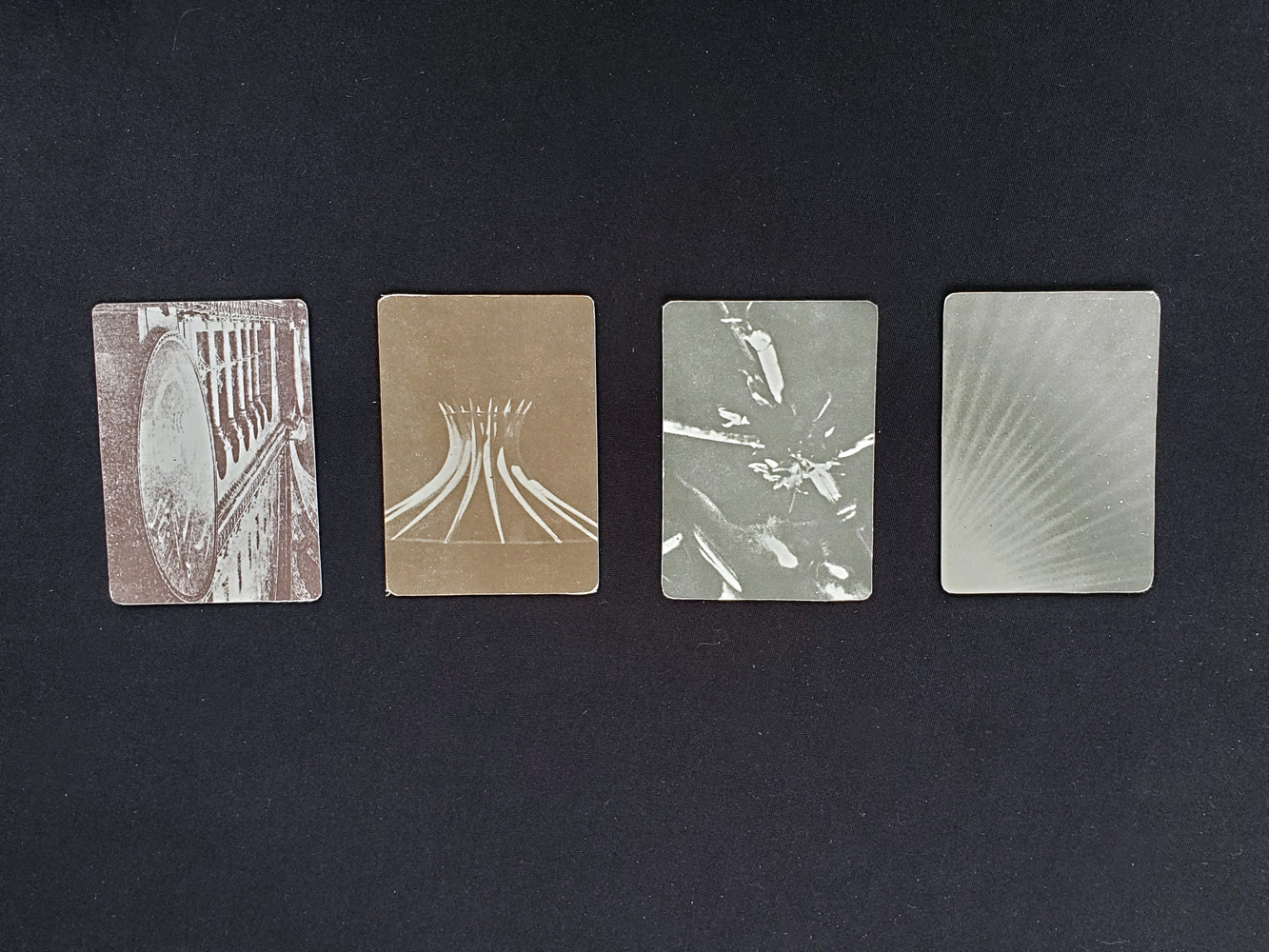


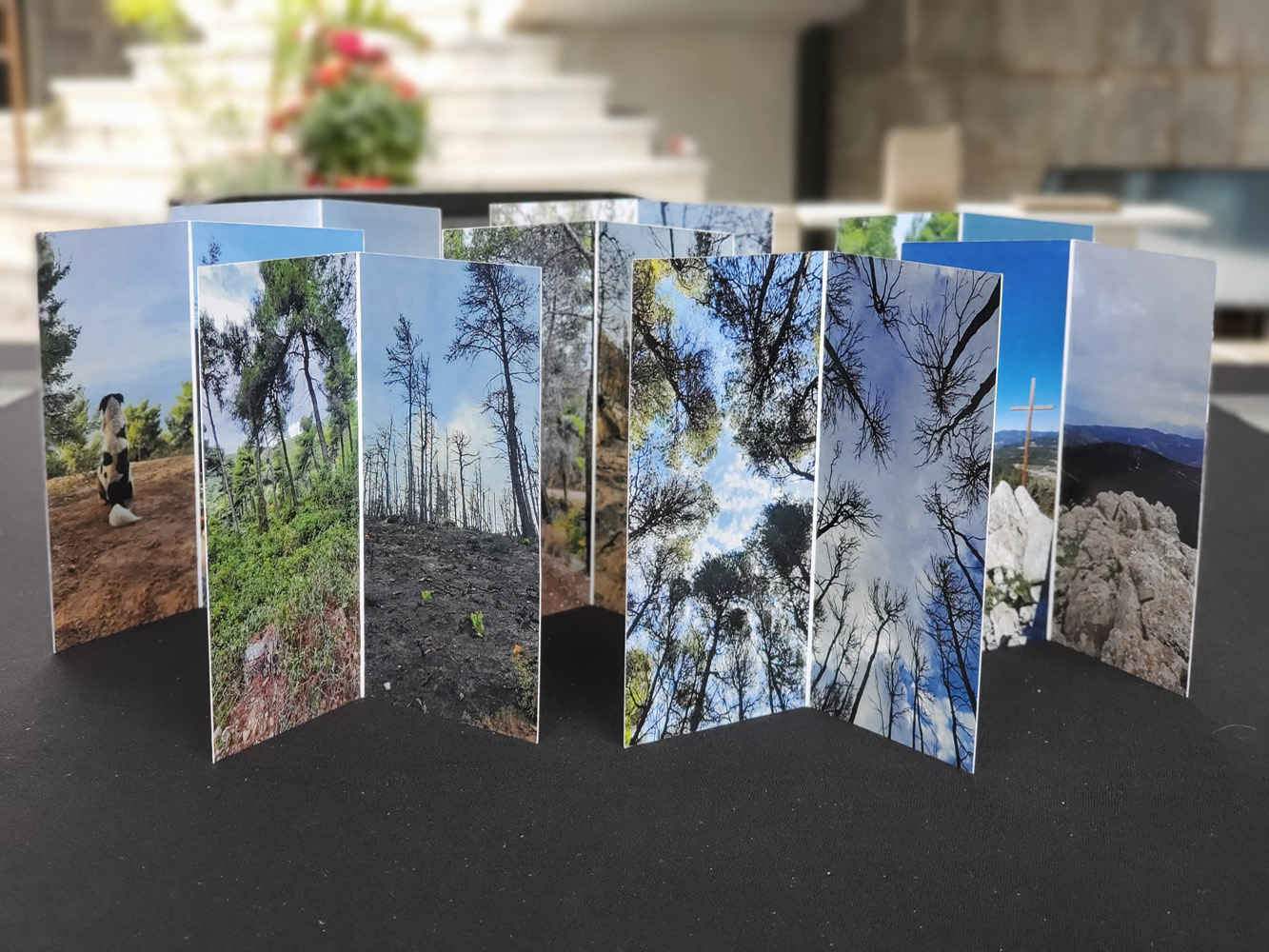
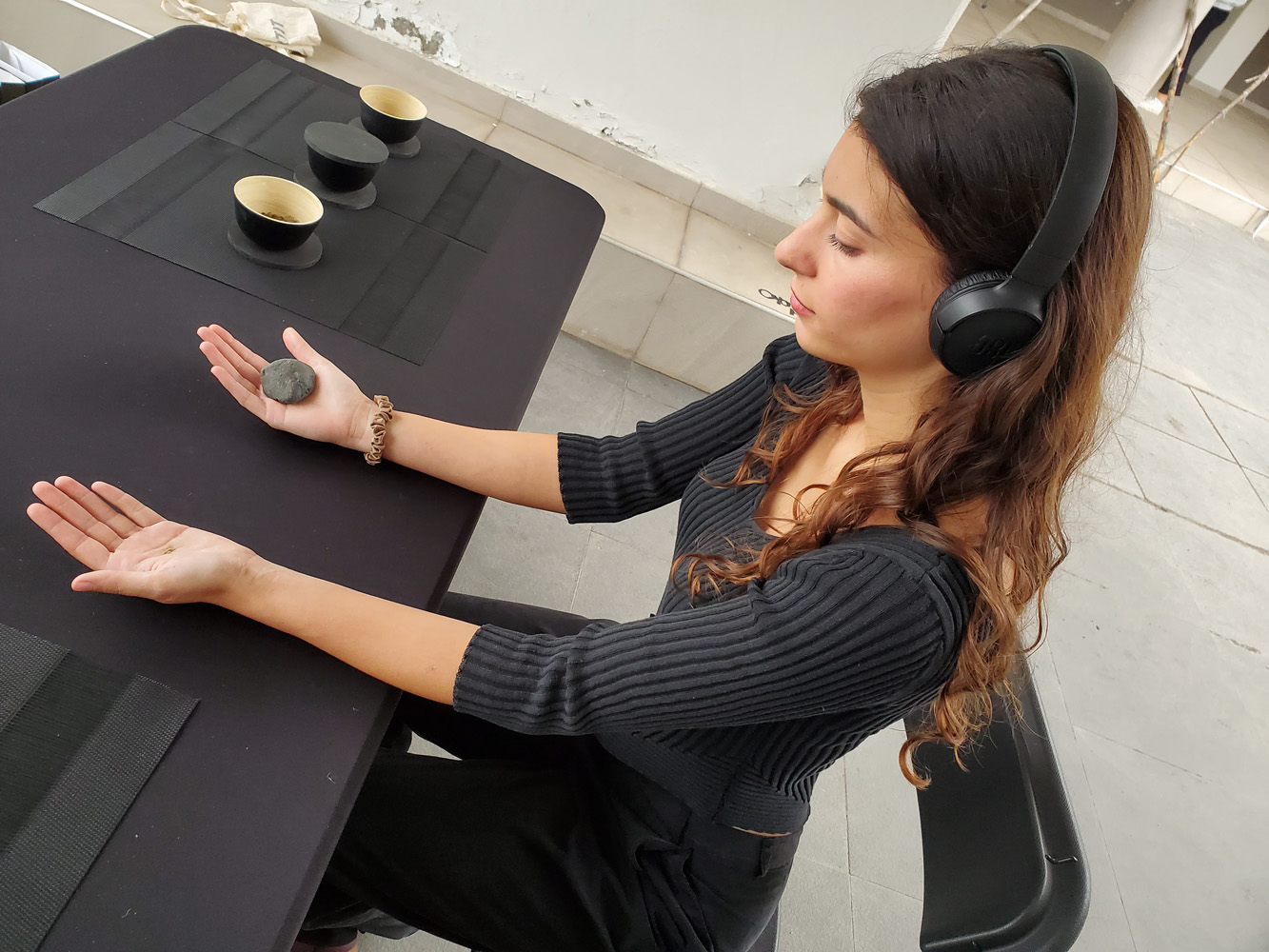
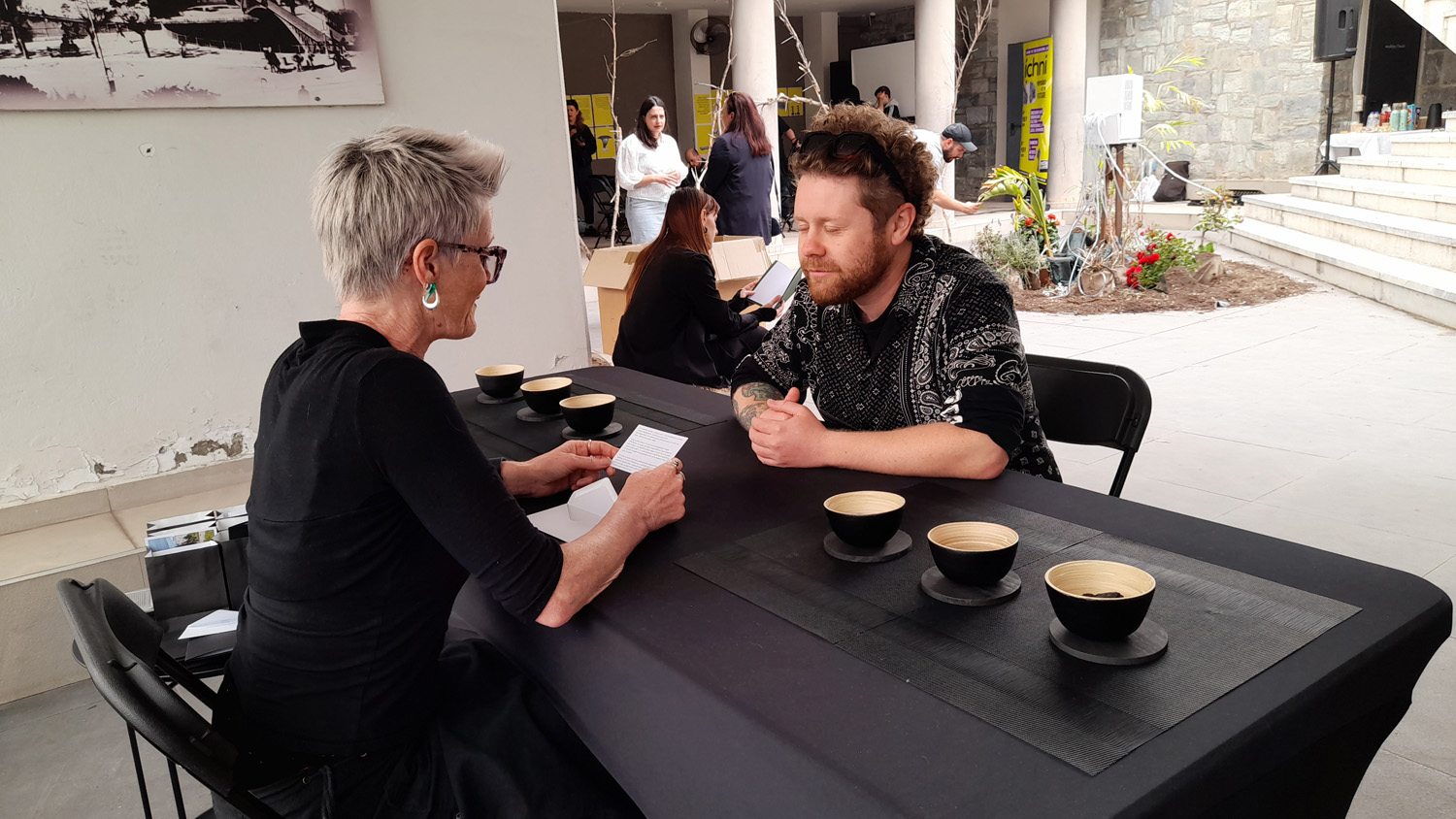
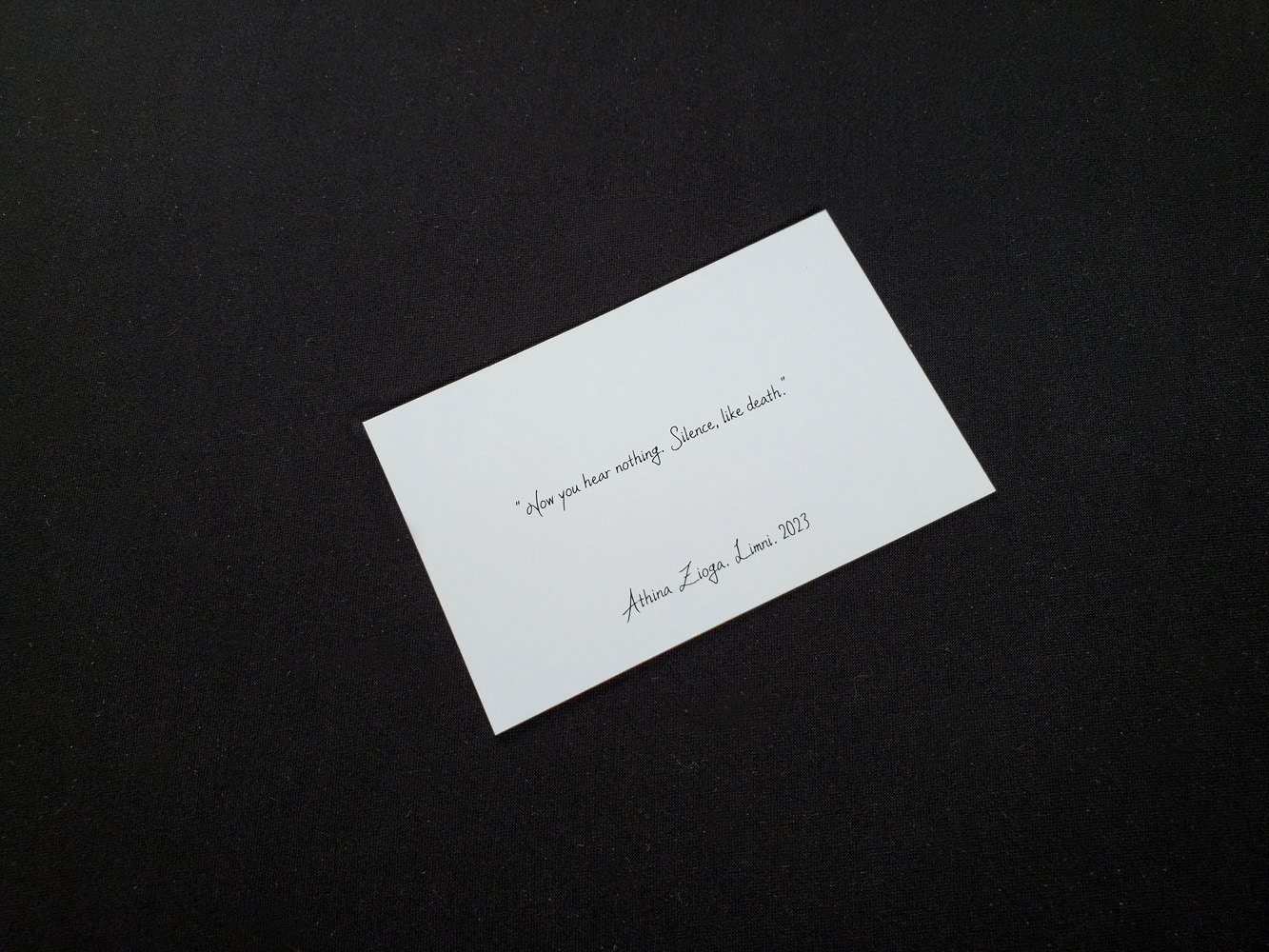
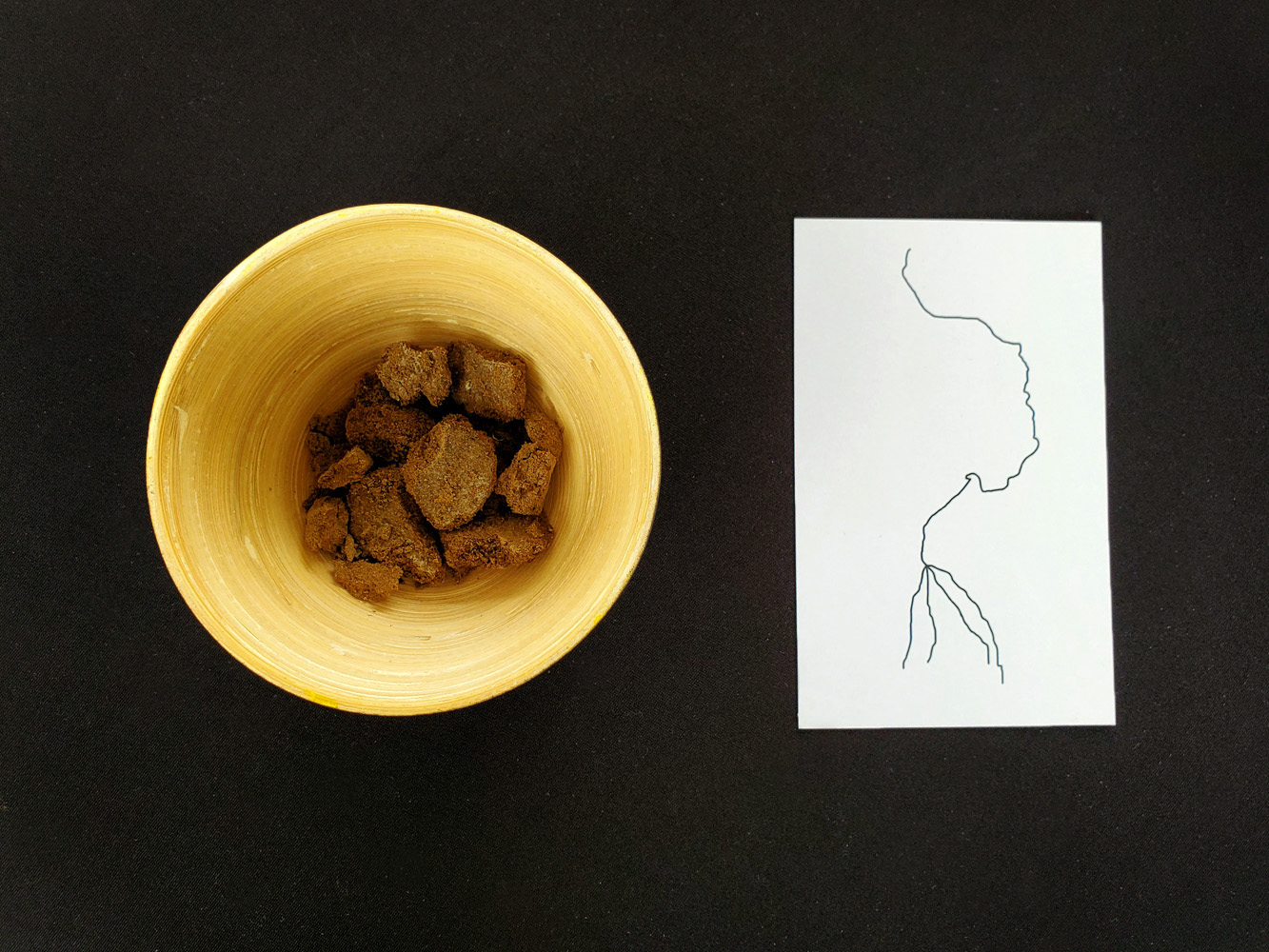
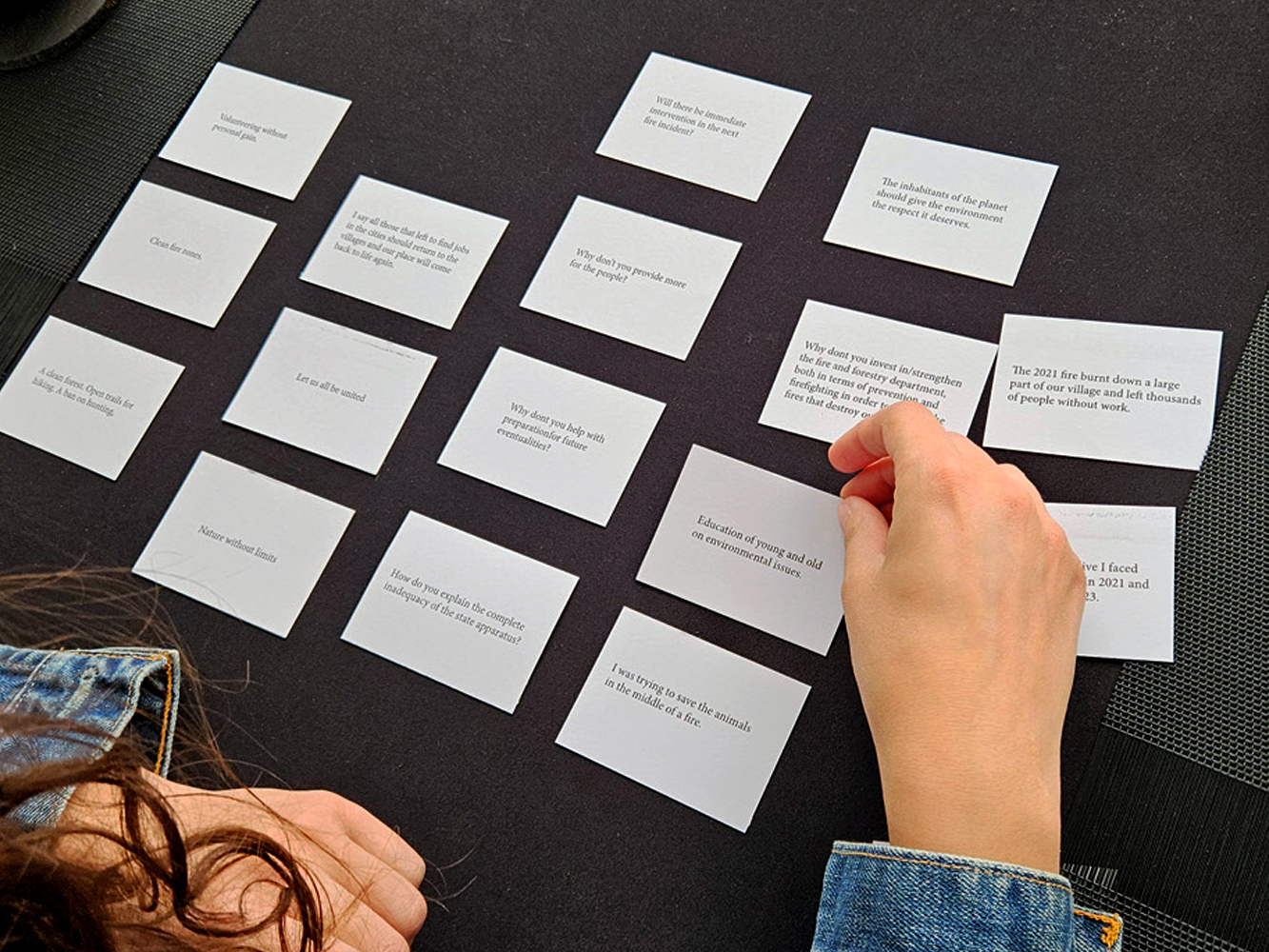
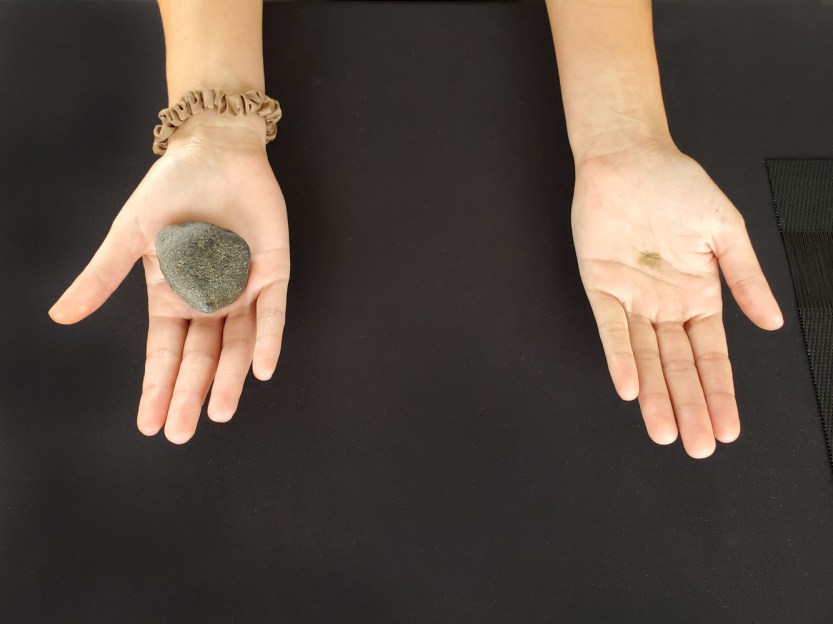
Six Bowls at the Ichni Lab, Evia. May 2025. Image of cyclamen and images of the Evia forest fire in ‘The Museum of Memory and Loss’ by Athina Zioga.
Campfire Tales
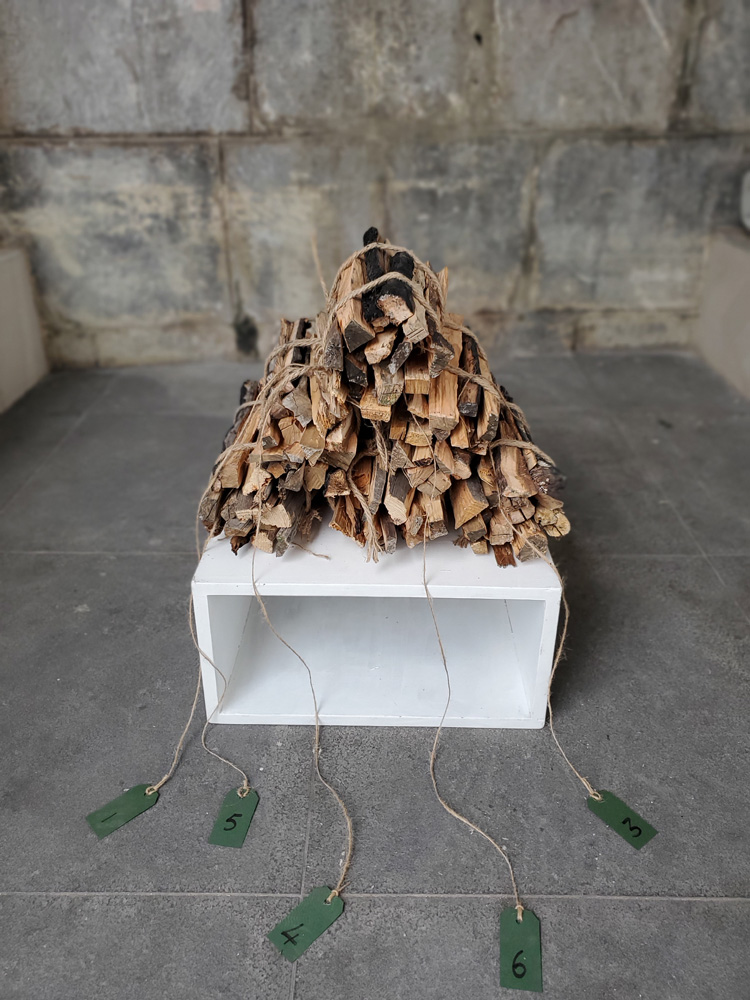
A second work developed during the residency, Campfire Tales, presented six bundles of kindling gathered from the wildfire zone in Northern Evia, to be used to ignite six campfires in other places at other points in the future. Each bundle contains an idea or provocation from the artists in relation to their encounters with the people and landscapes of the island. For thousands of years the campfire’s circular, democratic glow, has been a space for open exchange; for speaking and listening, sharing histories, imagining futures and strengthening the social fabric that binds us. From a landscape marked by devastating wildfires, fire is reclaimed and reframed as a source of warmth, light, and connection.

About Turning the Tide
Turning the Tide’s mission is to harness the power of culture as a dynamic force in addressing climate change. They believe that by integrating new approaches, there is hope to prevent planetary destruction and inspire a future that respects both living organisms and nature. By uniting artists with local communities, they hope to influence city planners, politicians, and decision-makers to rethink their strategies and move towards a more sustainable future.
Their International Artists’ Residencies program invites artists from around the globe to immerse themselves in the local contexts of 5 partner cities. These month-long residencies are structured to allow artists to engage deeply with local communities, understand their unique environmental challenges, and create artworks that reflect these experiences. The residencies are split into research and production phases, enabling artists to develop works that not only resonate with local audiences but also contribute to a global conversation on climate change and environmental sustainability.
https://www.turning-thetide.com
Categories: 2025, Community Engagement, Environmental, Exhibition, Interactive, Jo Hodges, Participatory, Performance, Process, Research, Sound, Strategy

 Coleman & Hodges